Evidence matters. Our What Works for Health tool will help you find policies and programs that are a good fit for your community's priorities.
Want More Policies Based on Evidence?
Medicine teaches us it will take time, effort, and investment.

evidence.guide
Evidence intelligence platform: dashboards, docs, and tooling for trustworthy research quality.
Improve Your Community Experience Using a DIY Community Health Check
Communities are living, breathing systems. They can either be growing, thriving, stale or dying, and this state of the community is defined by the community’s health. A healthy community is filled with growth.


Civic Health Project
Technology can connect or divide us. At Civic Health Project, we're dedicated to advancing massively scalable solutions to society's dangerous divisions.
Results and Strength of Evidence of mHealth Systematic Reviews (2)
This evidence map focuses on the effectiveness of mobile health (mHealth) interventions for the self-management of different chronic health conditions as assessed in 99 systematic reviews, as well as the strength of evidence underlying those findings. Read more about Using This Map and overarching Research Insights gained from this map. For the best map interaction experience, we recommend viewing this evidence map on desktop-sized devices in a Chrome, Safari, or Firefox browser.

Results First Clearinghouse Database
To assist policymakers at all levels of government in identifying evidence-based programs and making data-driven budget decisions, the project has created the Results First Clearinghouse Database. This one-stop online resource provides policymakers with an easy way to find information on the effectiveness of various interventions as rated by eight national research clearinghouses.

Document analysis in health policy research: the READ approach
Abstract. Document analysis is one of the most commonly used and powerful methods in health policy research. While existing qualitative research manuals of
US Domestic Policy Dashboard - Impact Counter | Impact Counter
Explore US domestic policies and their impact on public health across all branches of government.

Home
Our mission is to advance the effective implementation of evidence-based practices for children and families involved with the child welfare system.
Evidence Tool : Nature-based Solutions Evidence Tool |
Nature-based Solutions Initiative
Home | Your Local Epidemiologist
Join 365k+ readers getting accurate, unfiltered, and easy-to-digest information on the rapidly changing public health landscape, so you can feel secure in making important health decisions for you and your family.

Covidence - Where trusted evidence gets made.
The world's leading software for managing and streamlining your systematic review. Discover how to do a systematic review in less time, while maintaining quality and accuracy.

8 things to know about the gut microbiome and keeping yours healthy
Wellness influencers often talk about fixing a broken gut microbiome. And marketers sell tests and supplements to fix your gut health. Here's what what the evidence really shows about gut health.

9/11 Health
For over two decades the Registry researchers have been tracking health trends, investigating emerging health conditions, and identifying gaps in care among people affected by 9/11.
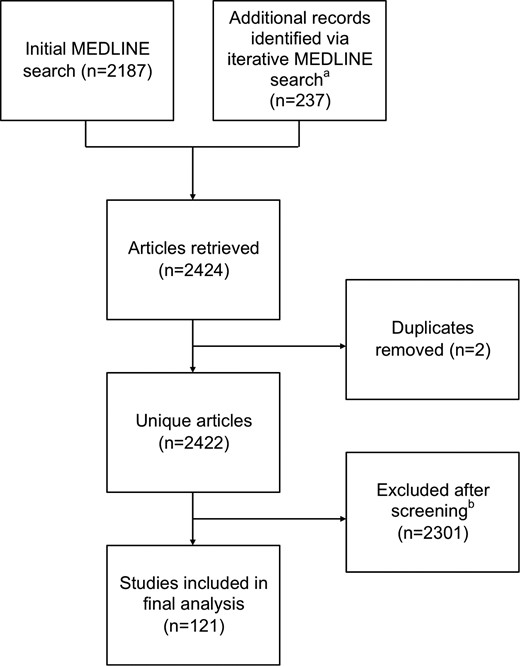
Evidence appraisal: a scoping review, conceptual framework, and research agenda
Abstract Objective Critical appraisal of clinical evidence promises to help prevent, detect, and address flaws related to study importance, ethics, validity, applicability, and reporting. These research issues are of growing concern. The purpose of this scoping review is to survey the current literature on evidence appraisal to develop a conceptual framework and an informatics research agenda. Methods We conducted an iterative literature search of Medline for discussion or research on the critical appraisal of clinical evidence. After title and abstract review, 121 articles were included in the analysis. We performed qualitative thematic analysis to describe the evidence appraisal architecture and its issues and opportunities. From this analysis, we derived a conceptual framework and an informatics research agenda. Results We identified 68 themes in 10 categories. This analysis revealed that the practice of evidence appraisal is quite common but is rarely subjected to documentation, organization, validation, integration, or uptake. This is related to underdeveloped tools, scant incentives, and insufficient acquisition of appraisal data and transformation of the data into usable knowledge. Discussion The gaps in acquiring appraisal data, transforming the data into actionable information and knowledge, and ensuring its dissemination and adoption can be addressed with proven informatics approaches. Conclusions Evidence appraisal faces several challenges, but implementing an informatics research agenda would likely help realize the potential of evidence appraisal for improving the rigor and value of clinical evidence.