Garth Mullins—Crackdown’s Host and Executive Producer—is a longtime activist and drug user as well as a member of the Vancouver Area Network of Drug Users and the BC Association of People on Methadone. Crackdown was born out of the idea that journalism can be rigorous, fair, and meet the expectations enumerated in the Canadian Association of Journalists, while also containing a clear and transparently-stated point of view. We believe that journalism can and should seek to serve the public good. We believe that journalism need not be produced by people who are distant from the topics and communities they are covering. And we believe that - rather than hiding behind a mask of “objectivity” - journalism is most truthful when it clearly communicates its point of view to the audience.
Beating the drums for independent press, publishers, and writers
Whose news? Whose story? Who gets to tell it?

Home - Canadian Association of Journalists
We speak on behalf of journalists, and in their interest, on matters including source protection, freedom of information and access to information, public disclosure, and diversity of voices. We speak in support of the highest quality journalism. For full details on our advocacy efforts, head to our Advocacy page.

Q&A: Robin Berjon on freeing journalists' feeds.
The AT protocol and “long-term, lifelong, sustainable protection against enshittification.”
Home - Black Press Media
Truth MattersClarity MattersCommunity MattersPowered by more than 200 Journalists Any Time. Any Place. Any Device. We are dedicated to serving more than 80 communities across Canada and North America with credible and hyperlocal journalism, brought to our readers by passionate journalists who live where they work. Black Press Media is a catalyst for informed engagement […]

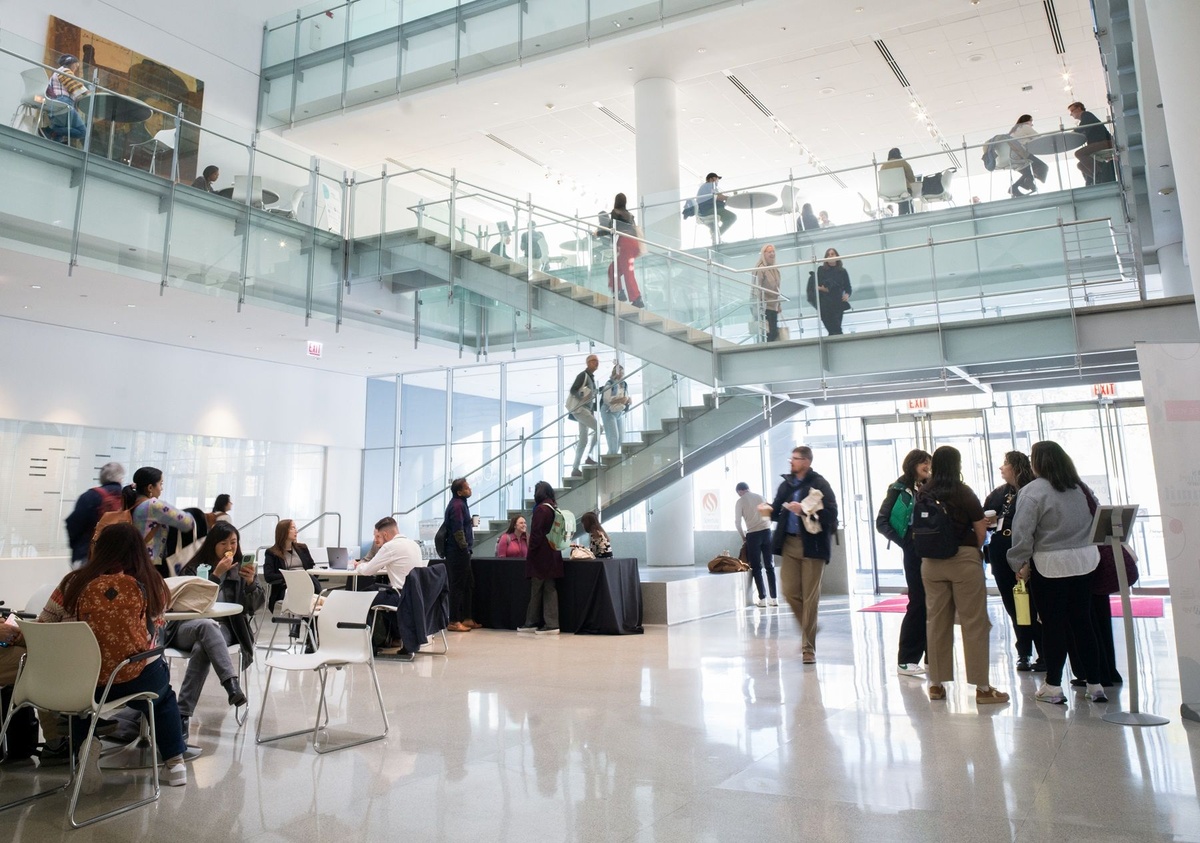
Independent journalists are mission-driven, but financially strained, a new report says
"Journalism isn't immune to the larger trend of the gig-ification of labor."


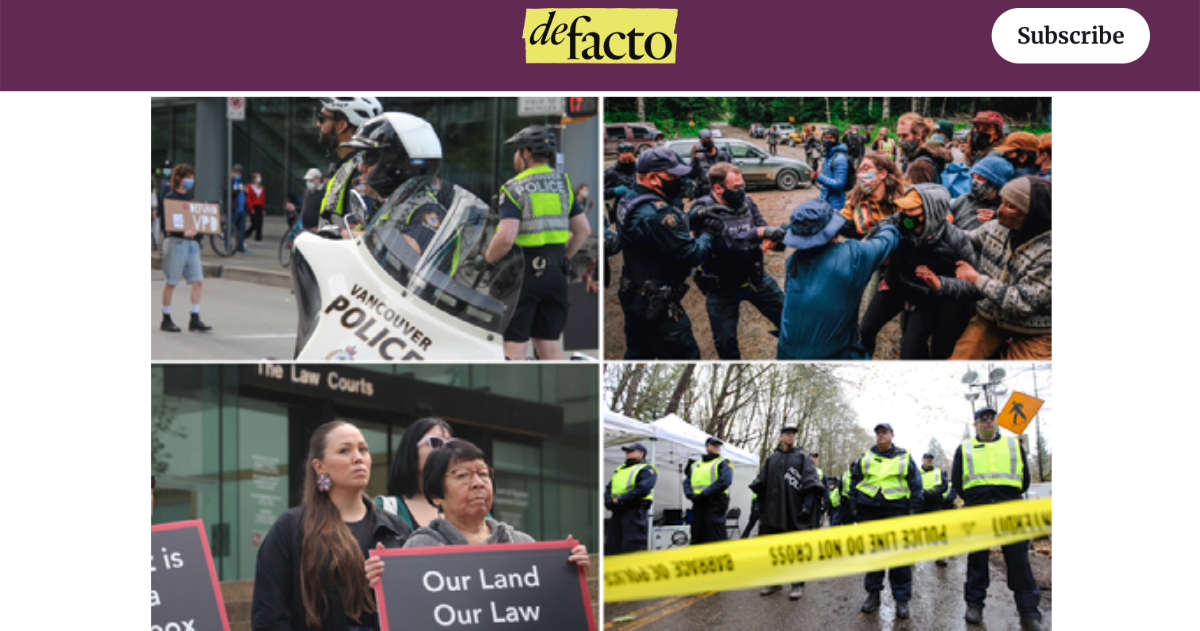
De Facto Journalism Co-op
Non-profit investigative journalism that shines a light on systems of power and abuses of rights and authority
How to Responsibly Report on Hacks and Disinformation
The run-up to the 2016 U.S. presidential election illustrated how vulnerable our most venerated journalistic outlets are to a new kind of information warfare. Reporters are a targeted adversary of foreign and domestic actors who want to harm our democracy. And to cope with this threat, especially in an election year, news organizations need to prepare for another wave of false, misleading, and hacked information. Often, the information will be newsworthy. Expecting reporters to refrain from covering news goes against core principles of American journalism and the practical business drivers that shape the intensely competitive media marketplace. In these cases, the question is not whether to report but how to do so most responsibly. Our goal is to give journalists actionable guidance.
Opinion: Losing the Local Journalism Initiative leaves communities in the dark
With more outlets vying for federal funding, why are national outlets opening up new bureaus in communities with healthy media ecosystems?

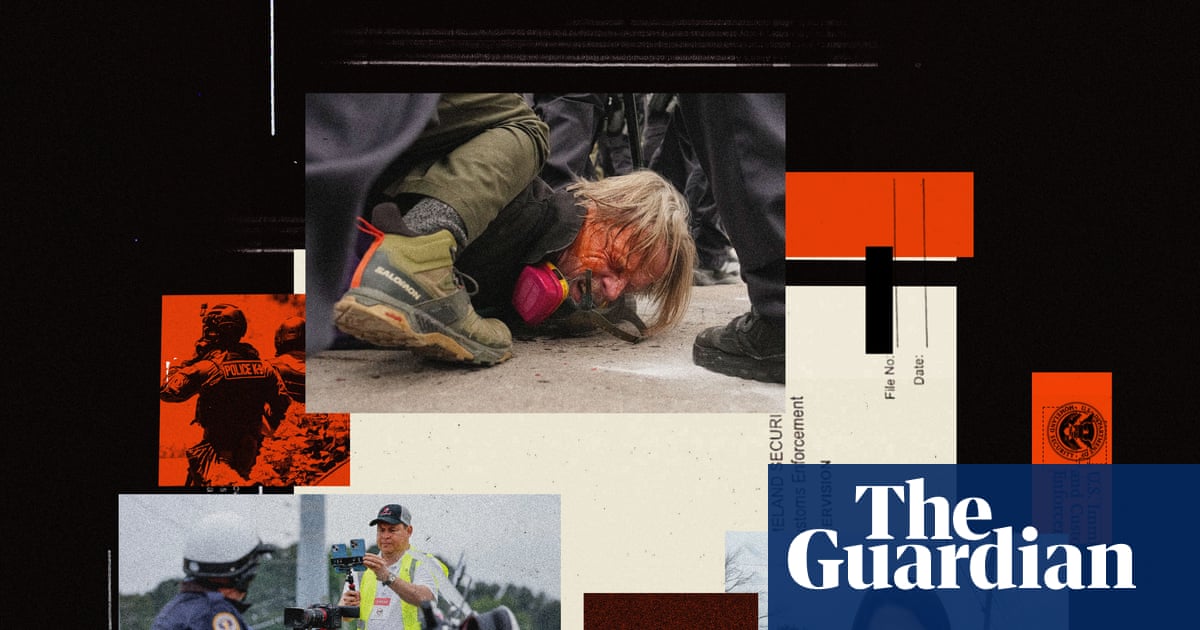
Freedom oppressed: the journalists caught up in Trump’s ICE crackdown
Media workers are grappling with increasingly volatile press climate in US, with some detained and even deported
Canadian publication, The Discourse, collaborates with their community | International Journalists' Network
When it comes to collaborations, Canadian publication,
Home | International Center for Journalists
We enable a global network of journalists to provide the trustworthy news essential to free and strong societies.
“CEO said a thing!”
A blistering guide to what lazy journalism too often looks like
Refusing to accept an AI-poisoned future of journalism
Humans, however flawed, are