

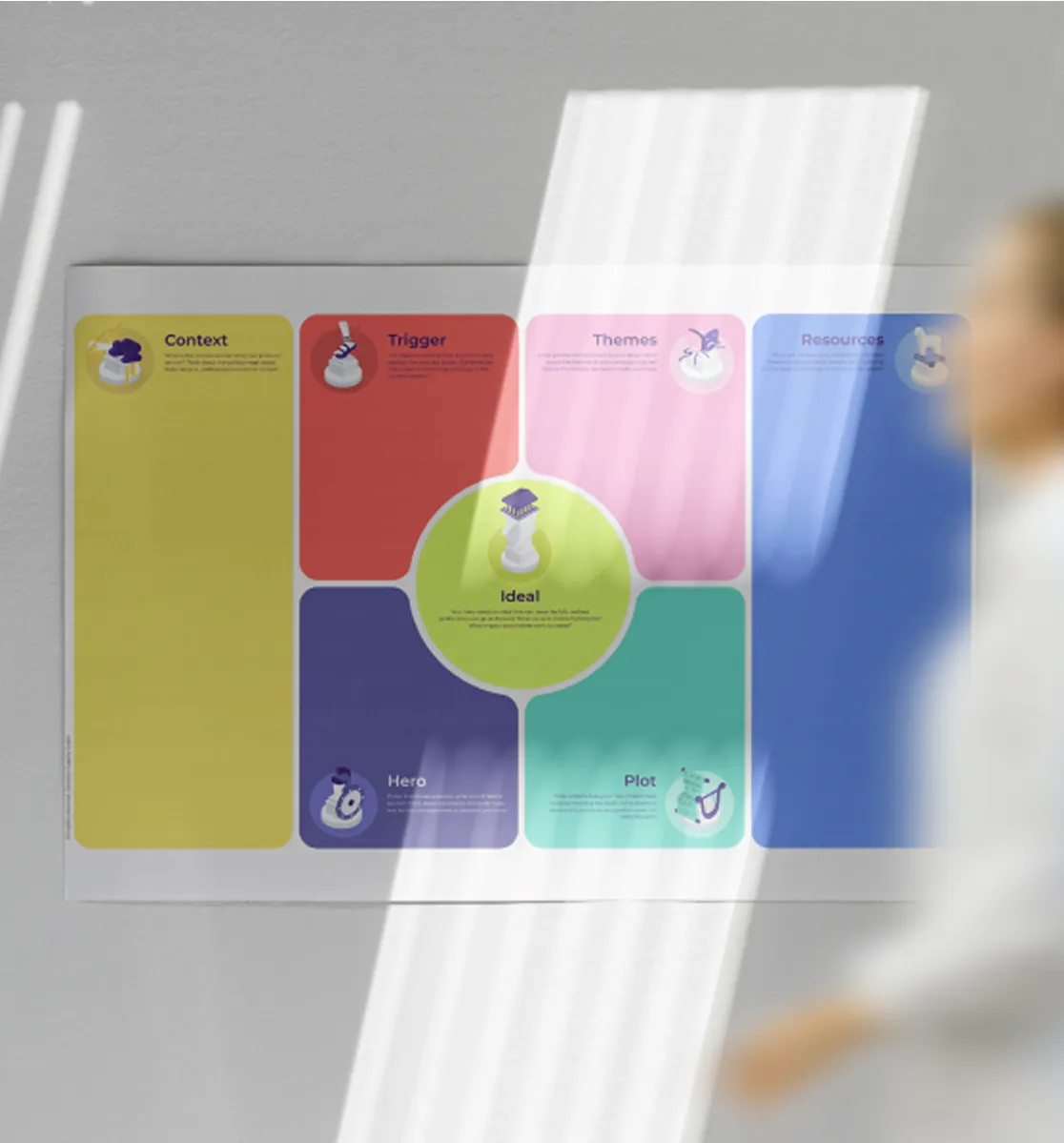
Craft powerful brand stories with our Brand Story Canvas. Trusted by HEC Paris, EPFL & ESSEC, it guides you through 7 steps to an engaging, authentic narrative.
The role of storytelling in the creation of brand love: the PANDORA case
The study of storytelling and brand love is justified by the need to understand the potential of storytelling as a tool that marketers have available to positively influence the love felt by the consumers toward a particular brand. In this case, we ...

WRKSHP.tools | Storytelling Canvas
Create better stories and presentations in under 45 minutes using the Storytelling Canvas
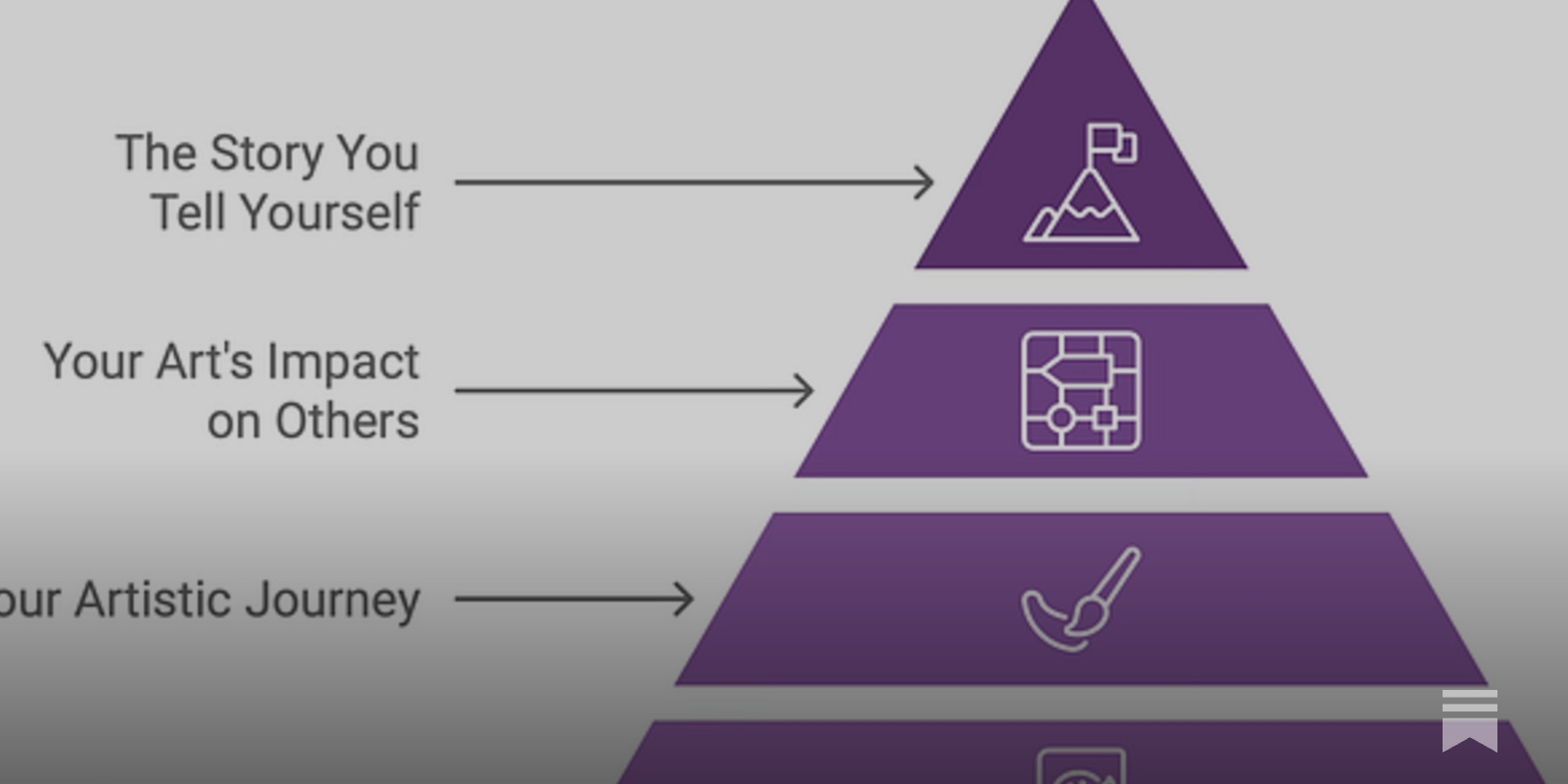
Master 4 Layers of Storytelling to Make Your Art Unforgettable
You think storytelling is just for writers? Wrong. The story you craft—not just on canvas, but in your journey, your impact, and in your own mind—could make your art impossible to ignore.

Thinking in Triplicate — Mule Design
To align design and business, visualize the shared narratives

UI Stories (Assets Showcase Generator)
UI Stories Plugin is a showcase generator that streamlines the design process by organizing and documenting assets. How It Works: – Flexible Selection: Begin by selecting any component, component set, component instance, or design element like frames or shapes. The plugin automatically identifi...
Fundamentals of Interactivity | Interactive Storytelling Tools for Writers | Chris Crawford
🎧 The Browser Company Is Building a Brand That Drives Viral Growth
Head of storytelling Nashilu Mouen-Makoua on how to tell memorable stories

Storyteller.fit | Blog your own cycling, running and sport stories. Powered by Strava
Create beautiful stories based on the activities you recorded on Strava. From single activities to entire seasons collect the adventures and achievements of your active life.
4-Layers, A Narrative Design Approach
Introduction This blog post will be about a new way to approach narrative design in games - the 4 Layers Approach. It is based on a GDC ...

Weaving Narratives into Procedural Worlds
Examining the value, characteristics, and methods of integrating static narratives into otherwise procedurally generated environments.
Studi0xAlasky | Creative + Innovation Strategist
Alexa Chirnoaga | Interdisciplinary Strategist ✶ Creative + Innovation ✶ Visual Storytelling

Home - FLI Worldbuilding Contest
It is frequently practiced by creative writers and scriptwriters, providing the context and backdrop for stories that take place in future, fantasy or alternative realities. Worldbuilding is a tool that can help us explore possible futures for our own world. It helps us better understand what sorts of worlds we may find more or less desirable, and how we might get to there. World builds don’t always have to be grounded in reality, but for our worldbuilding contest we asked contestants to make their imagined worlds plausible and aspirational. To better understand the constraints and ground rules that were used for this contest, visit the Rules page prior to exploring the worlds.
The Product Picnic
Writing on UX and product management to connect today's discourse with classic insights that the industry forgot.

tldraw's Steve Ruiz: The Infinite Canvas & the Death of Traditional Design
The Art of Writing One-Sentence Product Descriptions
A look back at early interviews with Facebook and Uber CEOs illustrates an ingenious way to communicate hard-to-describe products.
