

Critique AI helps you gain confidence with personalized feedback and support.
I work, I think? - Annotated
How AI may quietly dismantle the feedback loop that turns inexperienced people into competent ones, and why my work matters to me.
Study Finds AI Use Eats Away at Users’ Confidence in Their Own Brains
A new study out of Middlesex University argues that the ultimate effects on an AI users' brain come down to how they use it.
Understanding Confidence Threshold in AI Systems
Learn how confidence threshold works as a decision boundary in AI systems. Discover the key mechanics that determine automated processing versus human review.
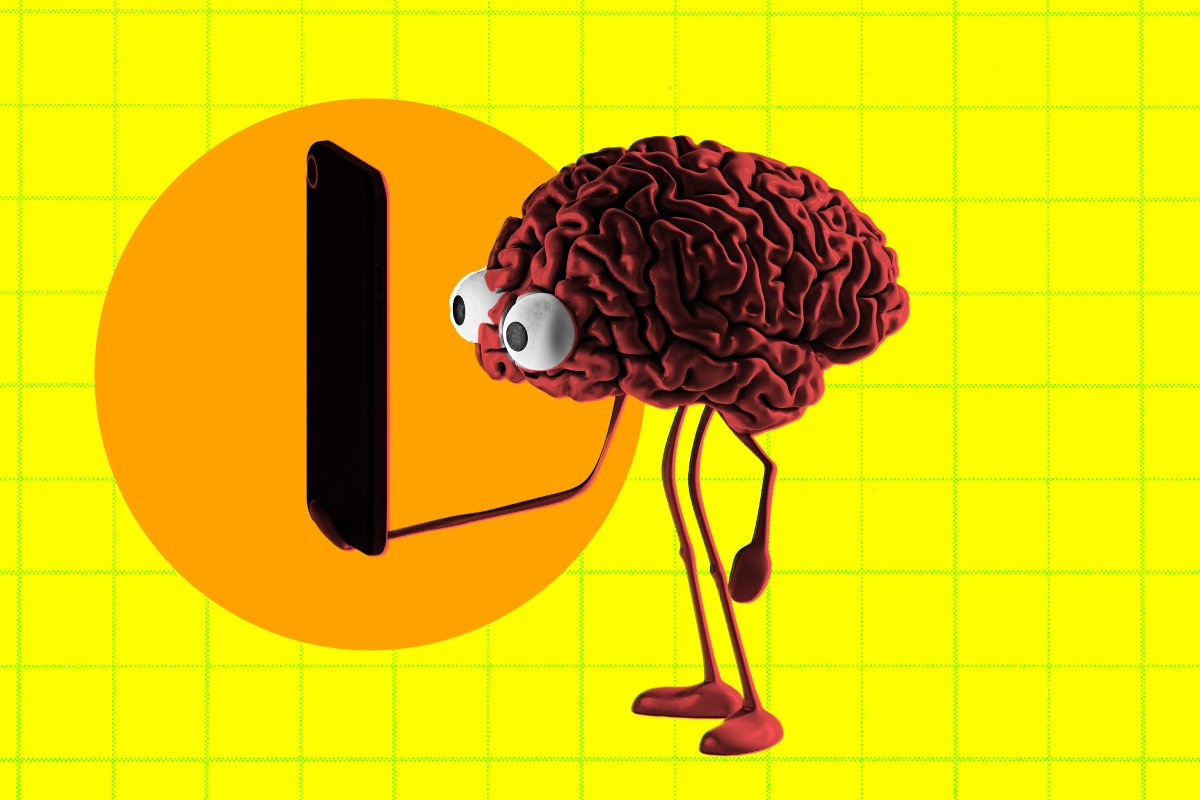
Letting AI Do Your Work Erodes Your Confidence, According to a New Study
Those who actively question the technology, however, feel more confident.

My Thoughts on AI, Part 1: Fears, Opinions, and Mental Journey
My own personal thoughts and opinions on AI effects and usage, and how those have evolved over time

Human learning is an understudied but promising lever for boosting human–AI synergy
Humans collaborating with AI hold the promise of achieving superior outcomes compared to either acting alone (i.e., human–AI synergy). However, the conditions that facilitate such synergy when humans are advised by AI are not well understood. A recent meta-analysis showed that, on average, human–AI combinations do not outperform the better individual agent. We argue that this pessimistic conclusion arises from insufficient attention to human learning in experimental designs. To substantiate this claim, we reanalyzed all 74 studies included in the original meta-analysis and found that most previous research overlooked design features that foster human learning (e.g., outcome feedback to participants). Our reanalysis further revealed that studies providing outcome feedback show tentatively higher synergy than those without outcome feedback. Crucially, feedback paired with AI explanations was associated with positive synergy, while explanations without feedback were associated with negative synergy—suggesting that explanations improve synergy mainly when humans can learn to verify the AI’s reliability through feedback. Our reanalysis suggests that the current literature underestimates the potential of human–AI collaboration because it predominantly relies on paradigms that do not facilitate human learning, thus hindering humans from effectively adapting their collaboration strategies. However, experiments directly varying learning opportunities are needed for stronger, causal conclusions. We advocate for a paradigm shift in human–AI interaction research that explicitly addresses human learning and thus enhances our understanding of and support for successful human–AI collaboration.

AI Changes Everything
From fear to optimism: why I am convinced AI is worth embracing.
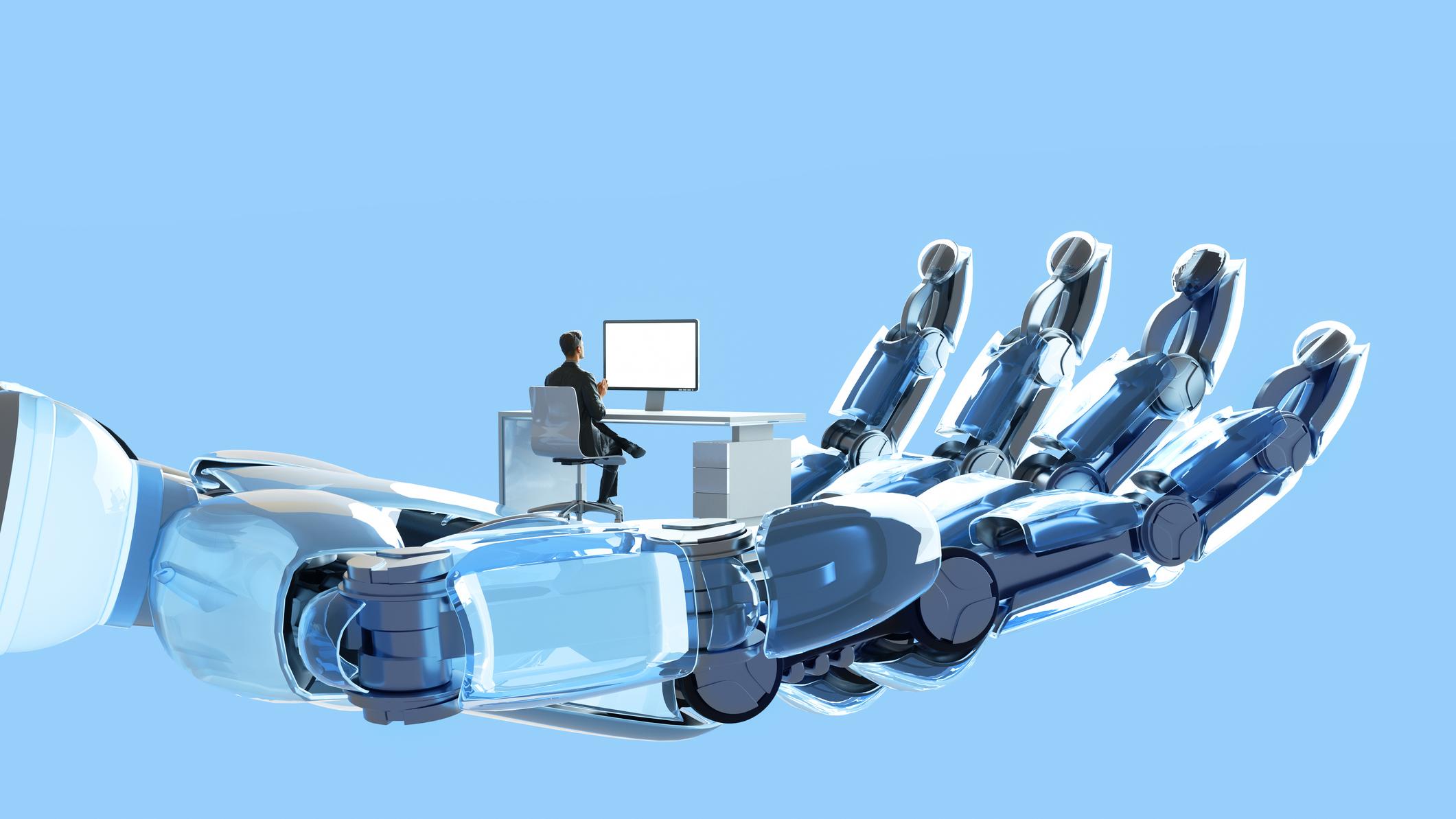
Exploring AI’s growing role in scientific peer review
Stanford computer scientist James Zou discusses AI’s strengths at spotting errors and limitations in judging research significance.

Developer's Honest Assessment of AI at Work Rattles the Official Narrative
A veteran programmer was praised after sharing his brutally honest thoughts about AI's impact on work and productivity.

Trust and reliance on AI — An experimental study on the extent and costs of overreliance on AI
Decision-making is undergoing rapid changes due to the introduction of artificial intelligence (AI), as AI recommender systems can help mitigate human flaws and increase decision accuracy and efficiency. However, AI can also commit errors or suffer from algorithmic bias. Hence, blind trust in technologies carries risks, as users may follow detrimental advice resulting in undesired consequences. Building upon research on algorithm appreciation and trust in AI, the current study investigates whether users who receive AI advice in an uncertain situation overrely on this advice — to their own detriment and that of other parties. In a domain-independent, incentivized, and interactive behavioral experiment, we find that the mere knowledge of advice being generated by an AI causes people to overrely on it, that is, to follow AI advice even when it contradicts available contextual information as well as their own assessment. Frequently, this overreliance leads not only to inefficient outcomes for the advisee, but also to undesired effects regarding third parties. The results call into question how AI is being used in assisted decision making, emphasizing the importance of AI literacy and effective trust calibration for productive deployment of such systems.
The AI feedback loop: Researchers warn of 'model collapse' as AI trains on AI-generated content
As a generative AI training model is exposed to more AI-generated data, it performs worse, producing more errors, leading to model collapse.

Sycophantic AI makes human interaction feel more effortful and less satisfying over time
Millions of people now turn to artificial intelligence (AI) systems for personal advice, guidance, and support. Such systems can be sycophantic, frequently affirming users' views and beliefs. Across five preregistered studies (N = 3,075 participants, 12,766 human-AI conversations), including a three-week study with a census-representative U.S. sample, we provide longitudinal experimental evidence that sycophantic AI shifts how users approach their closest relationships. We show that sycophantic AI immediately delivers the emotional and esteem support users typically associate with close friends and family. Over three weeks of such interactions, users became nearly as likely to seek personal advice from sycophantic AI as from close friends and family, and reported lower satisfaction with their real-world social interactions. When given a choice among AI response styles, a majority preferred sycophantic AI -- not for the quality of its advice, but because it made them feel most understood. Together, these findings offer a relational account of AI sycophancy and its impacts.
1. Recently I’ve received lots of emails from people I don’t know personally, asking for my feedback on their books or papers. They explain the connection between my work and theirs and ask me to take a look. The catch, of course, is that the emails are transparently, obviously, written by AI.

