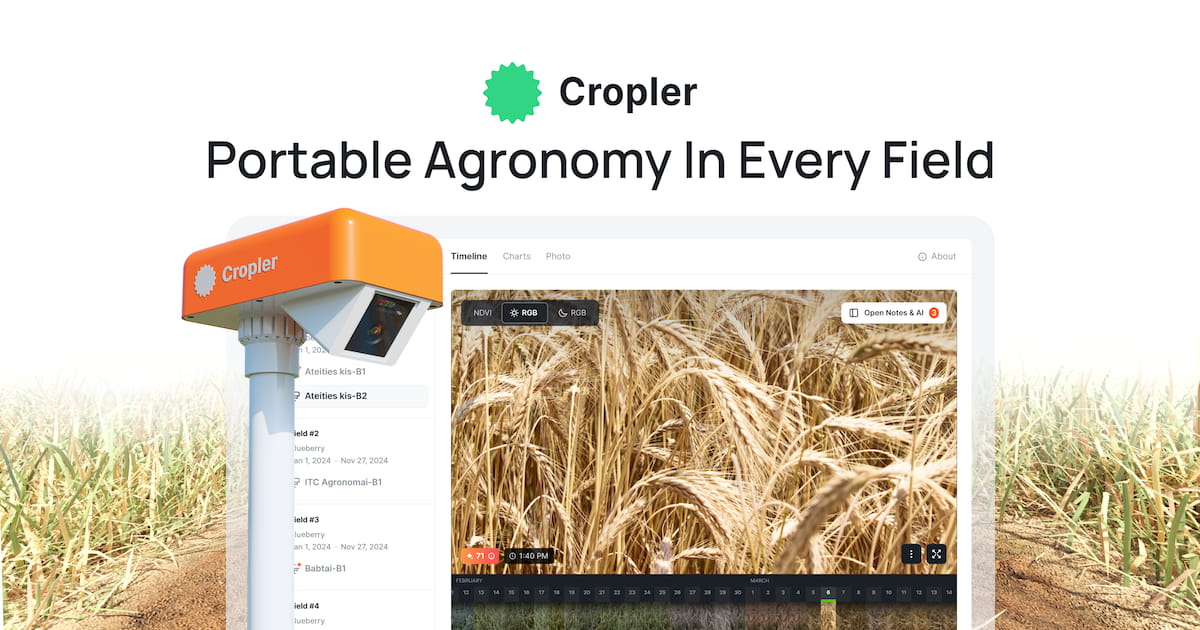
Monitor your fields online with the Cropler platform for real-time photos and analytics.
openfarmcc/OpenFarm
A free and open database for farming and gardening knowledge. You can grow anything!
openfarmcc/OpenFarm
A free and open database for farming and gardening knowledge. You can grow anything!
André Hoarau / qrop · GitLab
Crop planning and recordkeeping software for and by market gardeners. https://qrop.frama.io Discuss at https://riot.im/app/#/room/#qrop:matrix.org for users...
AgEvidence - the impact of agricultural practices on crops and the environment
39,000+ findings about conservation agriculture and the environment – visualized.
A social-ecological framework for analyzing and designing integrated crop–livestock systems from farm to territory levels
Integrated crop–livestock systems are often considered a promising way to address agricultural sustainability issues. Many authors claim that complementarities and synergies between crops and livestock can improve nutrient cycling and delivery of ecosystem services (ES) in agricultural systems. They have analyzed effects of interactions at the farm level and affirmed the potential advantage of developing crop–livestock interactions at the territory level. However, potential benefits of developing synergies beyond the farm level have not been clearly identified. Thus, we developed a conceptual framework that can be used to analyze, design and perform integrated assessment of crop–livestock systems at the territory level. To address crop–livestock interaction issues, we define it as a social-ecological system called the territorial crop–livestock system (TCLS). The ecological system is represented as three interacting components, crops, grasslands and animals, allowing description of various land uses and their potential effects on nutrient cycling and ES. The social system, represented as farmers interacting with natural-resource managers and agro-food chain actors, determines land use and the nature and intensity of ES delivered. We highlight the importance of coordination and learning among actors to support implementation of complex adaptive systems such as TCLSs. We illustrate the expressive power of our conceptual framework through development of a generic typology of crop–livestock systems. Then we show how our conceptual framework can be used as an intermediary object with stakeholders in participatory design approaches. We illustrate this process by representing four archetypal TCLSs. We provide an example of the design approach implemented in Southwestern France to address severe recurrent water shortages, which includes analysis of land use in the current crop–livestock system and the associated key metabolic and ES issues, identification of options for change and multi-criteria analysis of these options. We conclude that this framework shows great potential to support development of sustainable farming systems at the territory level.
Plan Your Garden With These Online Planning Tools
Garden planners that will help you plan a garden all online that's tailored to your yard shape, terrain, size limitations, and plant choices.

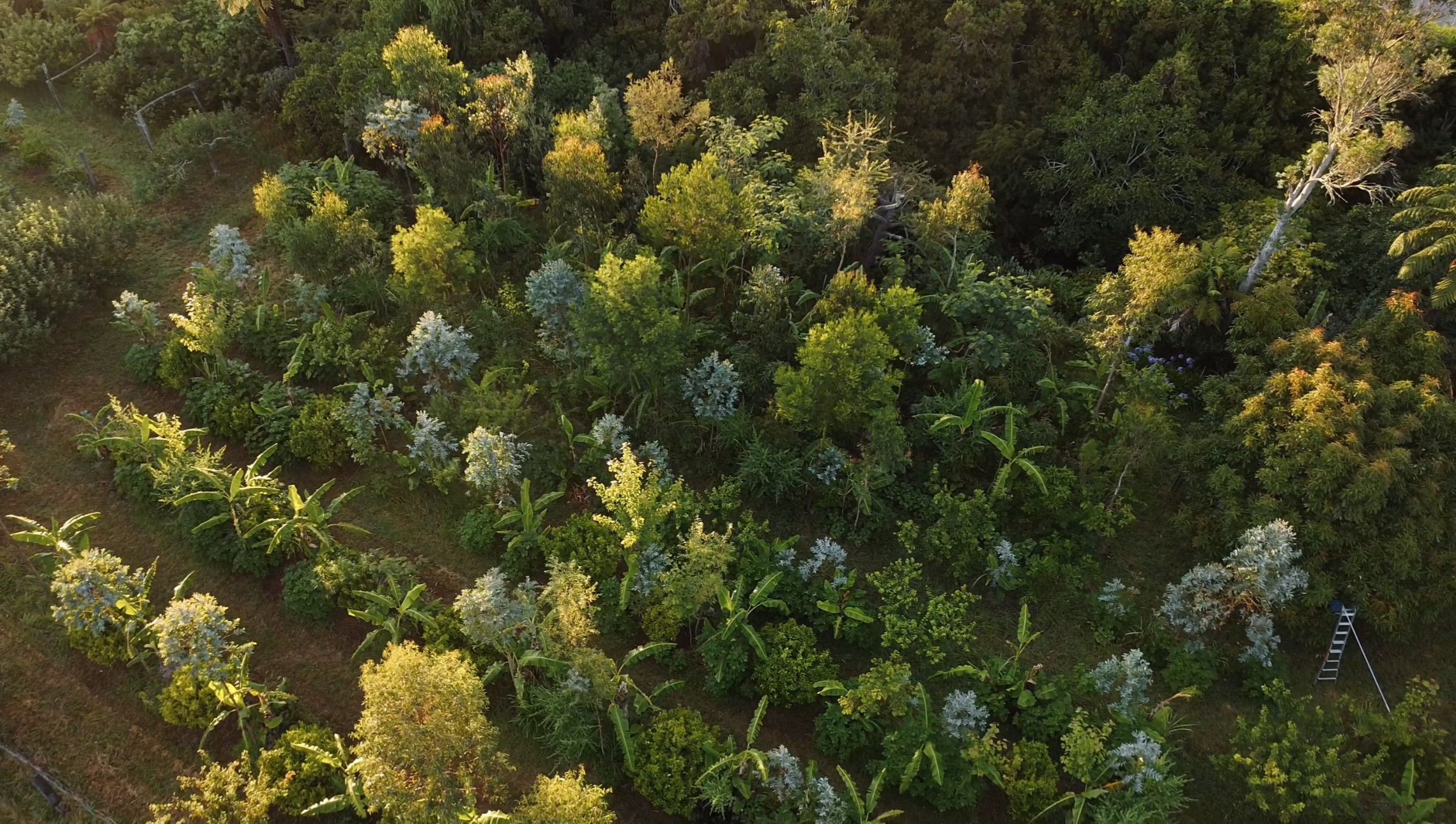
Food Forest Consulting, Installation & Events
Grow a thriving food forest with expert guidance. We design, install, and manage resilient, high-yield landscapes using cutting-edge syntropic agroforestry. From urban backyards to regenerative farms and orchard retrofits, we create abundant, self-sustaining systems tailored to your land and vision. Serving New Zealand, Australia, USA & beyond at FOOD-FORESTRY.com
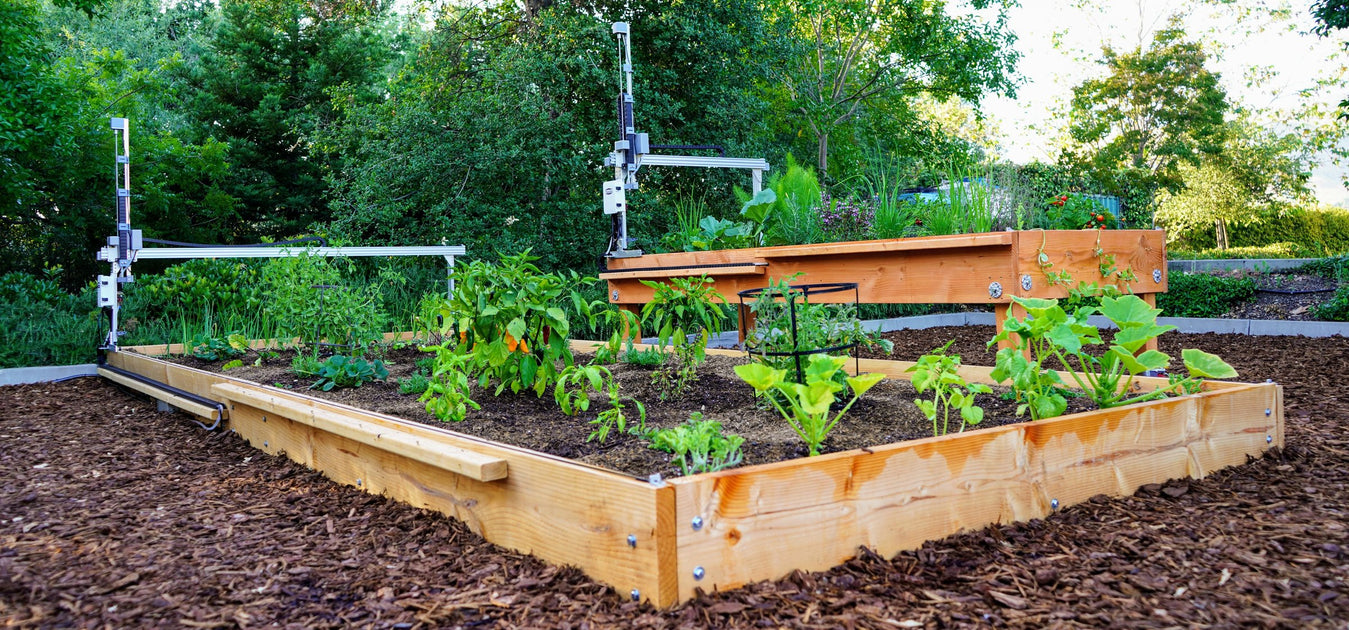
FarmBot | Open-Source CNC Farming
Farming and gardening robots for home, educational, and commercial use. Premium Hardware · Worldwide Shipping · Drag and Drop Farm Designer · Step-by-Step Assembly Instructions · Own Your Food
Crop is Stardew Valley except you arrive at your farm naked and in the boot of a car
If Stardew Valley is a cosy farming game the Crop is a what you get if you make it a horror farming game.

The challenges of managing nutrition with Brix readings
Several insightful pioneering agronomists have recommended the use of a refractometer and Brix readings as a useful management tool to evaluate overall crop qua

Crop–livestock integration beyond the farm level: a review
AbstractParadoxically, the number of crop–livestock farms is declining across Europe, despite the fact that crop-livestock farms are theoretically optimal to improve the sustainability of agriculture. To solve this issue, crop–livestock integration may be organized beyond the farm level. For instance, local groups of farmers can negotiate land-use allocation patterns and exchange materials such as manure, grain, and straw. Development of such a collective agricultural system raises questions, rarely documented in the literature, about how to integrate crops and livestock among farms, and the consequences, impacts, and conditions of integrating them. Here, we review the different forms of crop–livestock integration beyond the farm level, their potential benefits, and the features of decision support systems (DSS) needed for the integration process. We identify three forms of crop–livestock integration beyond the farm level: local coexistence, complementarity, and synergy, each with increasingly stronger temporal, spatial, and organizational coordination among farms. We claim that the forms of integration implemented define the nature, area, and spatial configuration of crops, grasslands, and animals in farms and landscapes. In turn, these configurations influence the provision of ecosystem services. For instance, we show that the synergy form of integration promotes soil fertility, erosion control, and field-level biological regulation services through organizational coordination among farmers and spatiotemporal integration between crops, grasslands, and animals. We found that social benefits of the synergy form of integration include collective empowerment of farmers. We claim that design of the complementarity and synergy forms of crop–livestock integration can best be supported by collective participatory workshops involving farmers, agricultural consultants, and researchers. In these workshops, spatialized simulation modeling of crop–livestock integration among farms is the basis for achieving the upscaling process involved in integrating beyond the farm level. Facilitators of these workshops have to pay attention to the consequences on governance and equity issues within farmers groups.
Crops In Silico: Generating Virtual Crops Using an Integrative and Multi-scale Modeling Platform
Multi-scale models can facilitate whole plant simulations by linking gene networks, protein synthesis, metabolic pathways, physiology, and growth. Whole plant models can be further integrated with ecosystem, weather, and climate models to predict how various interactions respond to environmental perturbations. These models have the potential to fill in missing mechanistic details and generate new hypotheses to prioritize directed engineering efforts. Outcomes will potentially accelerate improvement of crop yield, sustainability, and increase future food security. It is time for a paradigm shift in plant modeling, from largely isolated efforts to a connected community that takes advantage of advances in high performance computing and mechanistic understanding of plant processes. Tools for guiding future crop breeding and engineering, understanding the implications of discoveries at the molecular level for whole plant behavior, and improved prediction of plant and ecosystem responses to the environment are urgently needed. The purpose of this perspective is to introduce Crops in silico (cropsinsilico.org), an integrative and multi-scale modeling platform, as one solution that combines isolated modeling efforts toward the generation of virtual crops, which is open and accessible to the entire plant biology community. The major challenges involved both in the development and deployment of a shared, multi-scale modeling platform, which are summarized in this prospectus, were recently identified during the first Crops in silico Symposium and Workshop.

Crop Video Files Online for Free - FreeConvert.com
Easily crop video files online. Supports MP4, MOV, AVI, MKV, and more. Best video quality & No watermarks.
Gardening Forums
Friendly gardening forums for all your plant, fruit and vegetable questions.