Here's the full list of ordinary integer x86 registers. The 64 bit registers are shown in red. "Scratch" registers any function is allowed to overwrite, and use for anything you want without asking anybody. "Preserved" registers have to be put back ("save" the register) if you use them.
NASM Floating Point Documentation
As of version 0.96, NASM now treats the instructions with `nowait' forms in the same way as MASM-compatible assemblers. The idiosyncratic treatment employed by 0.95 and earlier was based on a misunderstanding by the authors.
x86 calling conventions
This article describes the calling conventions used when programming x86 architecture microprocessors.
fr0gger/awesome-ida-x64-olly-plugin
A curated list of IDA x64DBG, Ghidra and OllyDBG plugins.
p-code
Niklaus Wirth specified a simple p-code machine in the 1976 book Algorithms + Data Structures = Programs. The machine had 3 registers - a program counter p, a base register b, and a top-of-stack register t. There were 8 instructions:
ELF64 hello world | tuket
I like to understand how things work under the hood. Assembly programming is very close to the metal but, even then, the assembler hides some complexity to make our lives easier. Also the linker does lots of work I don’t completely understand.
x86 and amd64 instruction reference
No longer updated. Visit the official Intel online documentation.
"Concatenative programming and stack-based languages" by Douglas Creager
Chip8
CHIP-8 is a virtual machine created by RCA engineer Joe Weisbecker in 1977 for the COSMAC VIP microcomputer. The Chip-8 language is capable of accessing up to 4KB(4096 bytes) of RAM, from location 0x000 to 0xFFF(0-4095). The first 512 bytes, from 0x000 to 0x1FF, are where the original interpreter was located, and should not be used by programs.
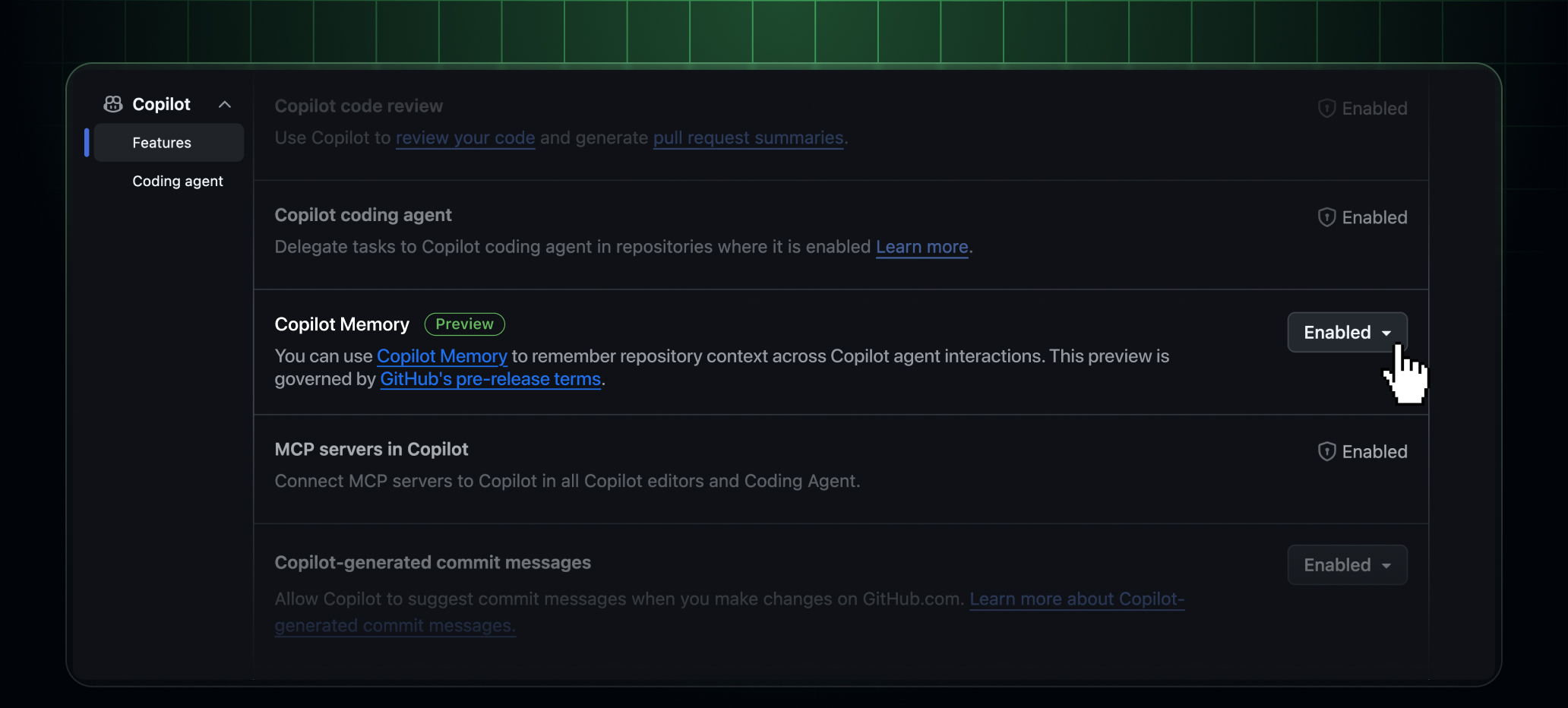
Copilot memory early access for Pro and Pro+ - GitHub Changelog
Copilot memory is now available in public preview for GitHub Copilot Pro and Pro+ users, with support in Copilot coding agent and Copilot code review. Copilot memory Copilot memory enables…
stack-based
Stack machines are arguably the simplest kind of computer architecture. Their LIFO structure is quite suitable for block-oriented languages. The code size for a stack machine can be very compact because most instructions have no operand field.
CP-M
CP/M (Control Program for Microcomputers) is a small disk-based operating system from the 1970s. It was originally only for computers with an 8080-compatible processor (including Z80 and 8085), but there are also versions for x86, 68000 and Z8000.
CaviraOSS/OpenMemory
Local persistent memory store for LLM applications including claude desktop, github copilot, codex, antigravity, etc.
BOX-256 - Tiny game about writing assembly to pass the graphics tests.
Ash Hart on Twitter / X
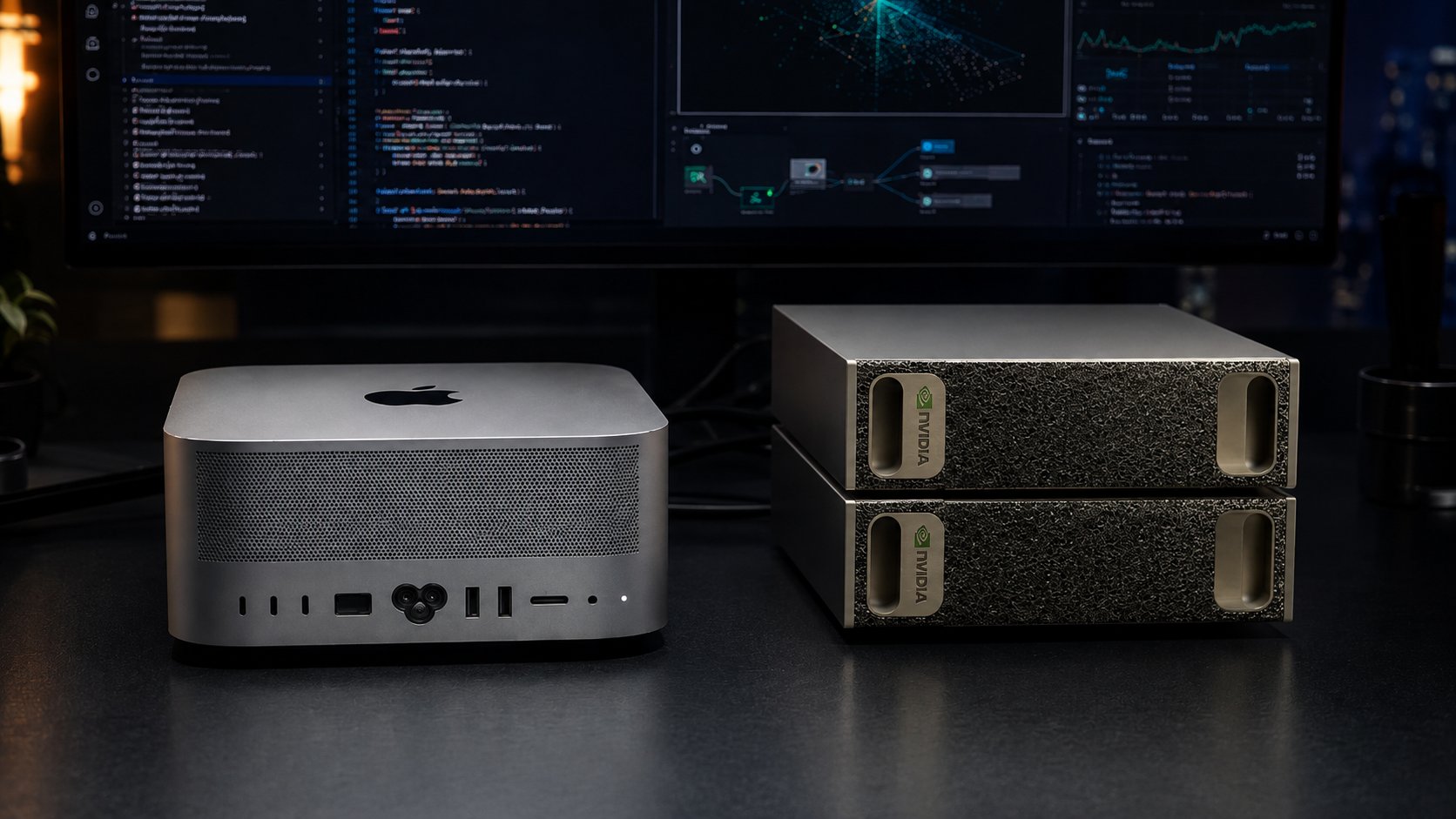
MCDMA | Metal CUDA Direct Memory Access 🚀If you have a Spark and an Apple Silicon Mac, MCDMA gives you a direct RDMA path between CUDA memory and Metal-side unified memory over USB-C.Registered memory, rkeys, one-sided READ/WRITE, two-sided SEND/RECV with credit flow… pic.twitter.com/gFt8tx9xII— Ash Hart (@ashxhart) August 18, 2026
Signals and Threads
Stephen Dolan works on Jane Street’s Tools and Compilers team where he focuses on the OCaml compiler. In this episode, Stephen and Ron take a trip down memory lane, discussing how to manage computer memory efficiently and safely. They consider trade-offs between reference counting and garbage collection, the surprising gains achieved by prefetching, and how new language features like local allocation and unboxed types could give OCaml users more control over their memory.

Linux System Call Tables by Architecture · syscall.sh
The Linux syscall table for 38 architectures: every system call number, argument and register, with a table per architecture, from Linux 3.3 to 7.3.