Companies have focused more on making the consumer recovery process from fraud and data breaches easier than on better security. Most people seem OK with that.
We Shouldn’t Wait Another Fifteen Years for a Conversation About
With high-profile hacks in the headlines and government officials trying to reopen a long-settled debate about encryption, information security has become a mainstream issue. But we feel that one
Cybersecurity Looks Like Proof of Work Now
Is security spending more tokens than your attacker?
A CISO's Guide to Avoiding Jail After a Breach
Yahoo, Uber, SolarWinds — increasingly, the government is incentivizing better corporate security by punishing the individuals leading it. Is that a good idea? And how can security pros avoid ending up on the butt end of a lawsuit?

Autonomy and Innovation
Incentives favor offense when it comes to agentic cybersecurity; it’s the same dynamic that will limit incumbents and fuel startups in the long run.

Bill C-22’s Groundhog Day: Why the Government’s Dismissal of Signal, Apple and the U.S. Congress Concerns Runs Back the Disastrous Online News Act Playbook - Michael Geist
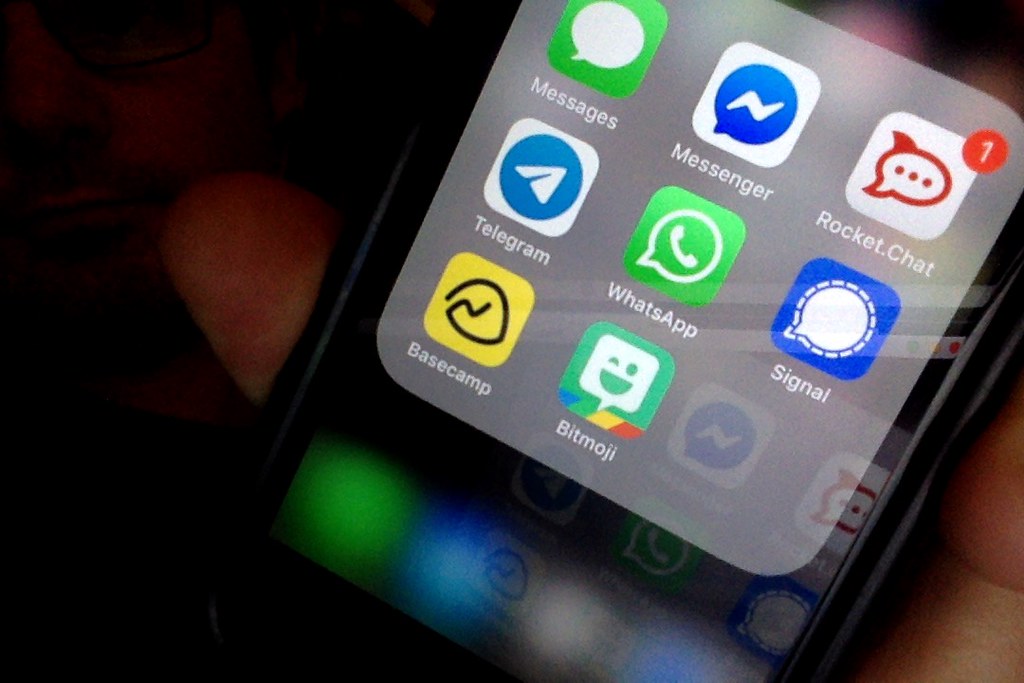
Secure messaging service Signal yesterday became the latest company to warn that Bill C-22, the lawful access bill, could force it to leave the Canadian market rather than comply with provisions it says would compromise its end-to-end encryption and create new cybersecurity risks. Signal vice-president Udbhav Tiwari told the Globe and Mail that the company “would rather pull out of the country than be compelled to compromise on the privacy promises we have made to our users.” The comments are part of a steady stream of similar warnings from Apple, Meta, the Canadian Chamber of Commerce, the Cybersecurity Advisors Network, and the chairs of the U.S. House Judiciary and Foreign Affairs Committees. Despite growing concern, the government’s response has been to launch a misleading social media campaign and repeatedly insist that the experts and companies are mistaken.
Introducing ONCE
Once upon a time you owned what you paid for, you controlled what you depended on, and your privacy and security were your own business. We think it’s that time again.
Why Big Tech's Privacy Promises Are Lies
As the Federal Government Rushes Toward AI, Here Are Three Cautionary Tales — ProPublica
We’ve been reporting on cybersecurity for years. As President Donald Trump and his Cabinet say artificial intelligence will transform the nation, the messaging isn’t new. It follows a familiar pattern.

Opinion | Internet Hacking Is About to Get Much Worse (Published 2018)
We can no longer leave online security to the market.

Your Security is My Security
Speaking to the world, I care about how good the security of your machines are.
The AI shift in cyber risk: why leaders must act now
Five Eyes cyber security agencies urge organisations to act on rapidly transforming cyber risk.

Pluralistic: The reason you can’t buy a car is the same reason that your health insurer let hackers dox you (28 Jun 2024) – Pluralistic: Daily links from Cory Doctorow
In 2017, Equifax suffered the worst data-breach in world history, leaking the deep, nonconsensual dossiers it had compiled on 148m Americans and 15m Britons, (and 19k Canadians) into the world, to form an immortal, undeletable reservoir of kompromat and premade identity-theft kits:
The AI-as-Normal-Technology view of loss of control incidents
A middle ground between the cybersecurity and AI safety communities
Fridge hack costing millions and sparking fires stemmed from poor security
Incident hitting 700 supermarkets exploited outdated devices exposed to the Internet.

What the Marriott Breach Says About Security – Krebs on Security
We don’t yet know the root cause(s) that forced Marriott this week to disclose a four-year-long breach involving the personal and financial information of 500 million guests of its Starwood hotel properties. But anytime we see such a colossal intrusion go undetected for so long, the ultimate cause is usually a failure to adopt the most important principle in cybersecurity defense that applies to both corporations and consumers: Assume you are compromised.
Paul Ford: Facebook Is Why We Need a Digital Protection Agency
It’s time for a digital protection agency. It’s clear ethics don’t scale, and it’s not just Facebook’s problem.