Cybera and the Pacific Institute for Mathematical Sciences (PIMS) are participating in the new national CanCode program. This two-year program supports initiatives that aid coding and digital skills development among Canadian youth, from grade 5-12.
Callysto: Bringing Jupyter and Computational Thinking to the K-12 Curriculum
Cybera and the Pacific Institute for Mathematical Sciences are participating in the new national CanCode program, to develop coding and digital skills from kindergarten to grade 12. With the launch of the Callysto project, we are creating tools and frameworks that help teachers bring computational thinking into their math, science, social sciences, and humanities courses - giving students the analytical skills needed to comprehend the digital world. Leveraging the Jupyter 'All-in-One' Science Platform to put friendly yet powerful compute tools in classroom settings, we are creating showcase modules and workshop training for K-12 teachers to incorporate data and computing into the broad curriculum. At this presentation, you will learn about how Callysto will: Bring computational thinking to classrooms through K-12 teacher training Create opportunities to participate in free workshop training sessions and content creation Help K-12 teachers gain public recognition for participating in this educational training project Note: This presentation is related to our 2017 BCNET presentation on "Bringing The Thunder: Deploying Jupyter Notebooks For Research, Education, And Innovation." View Slidedeck
CanCode
CanCode funds not-for-profit organizations that support youth, especially underrepresented youth, in developing digital skills including coding and artificial intelligence knowledge.
eTeacher: A Pilot in Flemish Secondary Education
As a result of the rapidly changing digital landscape, there is momentum to bring coding to K-12 classrooms in jurisdictions all around the world. A barrier to student learning and success with coding, however, is that many teachers have little or no ...

Don't Learn to Code - Learn to Automate - DaedTech
Does anyone remember a few years ago, when the mayor of New York decided to learn to program? It was a heady time, because it wasn’t just him. I remember these surreal commercials where Miami Heat forward Chris Bosh was encouraging children to learn to code for the good of humanity or something. There was...

Hey, Computer Scientists! Stop Hating on the Humanities
Opinion: Computer science departments need to teach coders more than just how to code.

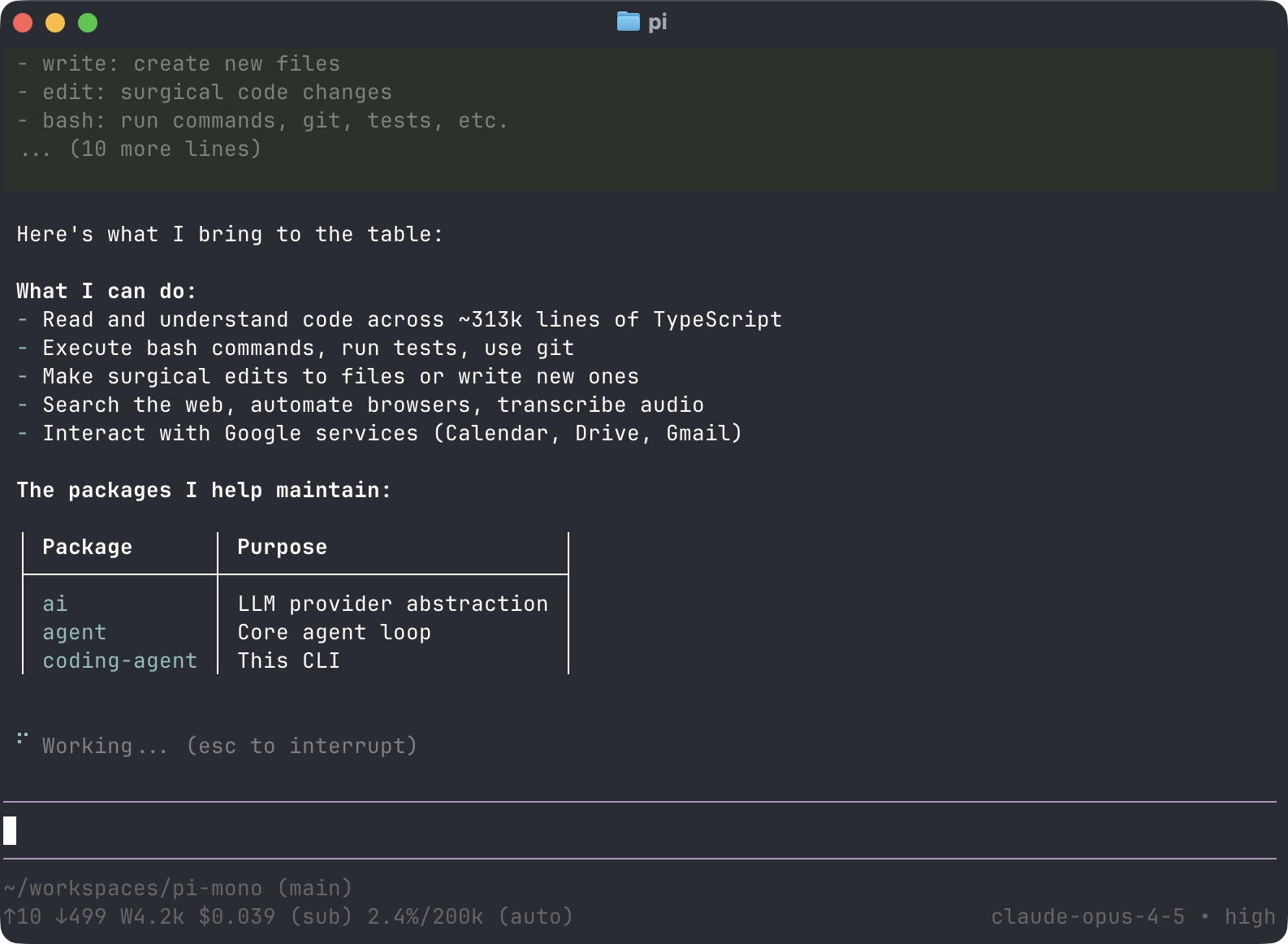
The irrational effectiveness of the Pi harness
A month of coding with Pi, its small agent loop, and the skills and extensions I've added to it.

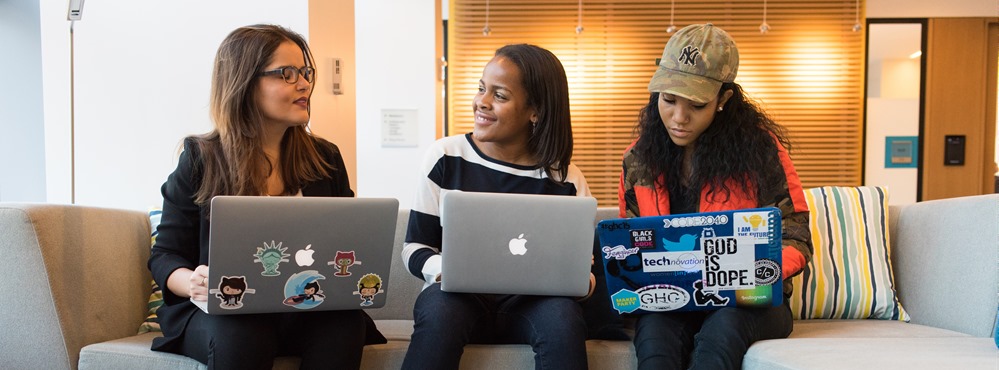
Stop saying learning to code is easy.
(The photo above was taken at the Microsoft NYC office of three amazing young ...
Brilliant | Your Personal Tutor for Math and Coding
Visual, interactive tutoring in math and coding, from 5th grade through college. Master concepts in algebra, calculus, Python, computer science, and more.

Letta Code | Hacker News
If you're a Claude Code user (I assume much of HN is) some context on Letta Code: it's a fully open source coding harness (#1 model-agnostic OSS on Terminal-Bench, #4 overall).
Announcing CodeCombat Classroom Curriculum, Seed Round from 3KVC, a16z, and Allen & Co
I remember when I wrote my first lines of code. I was a freshman in college, and I had signed up for the introductory computer science course on a whim after choosing my practical career-advancing courses: writing, chemistry, poetry, and go [https://en.wikipedia.org/wiki/Go_(game)]. I
Boxer: a reconstructible computational medium | Communications of the ACM
Programming is most often viewed as a way for experts to get computers to perform complex tasks efficiently and reliably. Boxer presents an alternative image—programming as a way for nonexperts to control a reconstructible medium, much like written ...

Coding After Coders: The End of Computer Programming as We Know It - …
archived 16 Mar 2026 15:14:04 UTC

Our Python-programmable secondary school robots
In 2018, the French Higher Committee on Curricula decided to make Python the official computer language in secondary schools. We help you find the right Python robotics platfom for your students.