Two reports illustrate how business leaders are thinking about and budgeting for generative AI.
The CEO’s Guide to Generative AI: Cost of compute
The IBM Institute for Business Value uses data-driven research and expert analysis to deliver thought-provoking insights to leaders on the emerging trends that will determine future success.'

Democratizing AI Companies — The Collective Intelligence Project
As AI reshapes society, the companies behind these technologies face a critical challenge: how to build corporate governance structures that prioritize public benefit over profit maximization;.


Built on Shared Knowledge: What the World Wants from AI Wealth
AI labs and policymakers are focusing on AI dividends to address economic insecurity. We asked 1,041 people across 64 countries what they actually want from AI wealth.

Why We Fear AI: On the Interpretation of Nightmares — Common Notions Press
Industry insiders Hagen Blix and Ingeborg Glimmer dive into the dark, twisted world of AI to demystify the many nightmares we have about it. They combine expertise in cognitive science and machine learning with political and economic analyses to cut through the hype and technobabble to show how fear

Visualising AI spending: How does it compare with history’s mega projects?
AI spending is projected to reach $2.5 trillion in 2026, surpassing the largest scientific and infrastructure projects.

AI overuse could spark "brain fry," new research finds
The mental strain associated with AI carries "significant costs," researchers find.

Microsoft reports are exposing AI's real cost problem: Using the tech is more expensive than paying human employees | Fortune
Companies are racing to incentivize employees to use AI. But as some companies are finding, the more employees that use the technology, the heavier the bill.

AI-Generated “Workslop” Is Destroying Productivity
Despite a surge in generative AI use across workplaces, most companies are seeing little measurable ROI. One possible reason is because AI tools are being used to produce “workslop”—content that appears polished but lacks real substance, offloading cognitive labor onto coworkers. Research from BetterUp Labs and Stanford found that 41% of workers have encountered such AI-generated output, costing nearly two hours of rework per instance and creating downstream productivity, trust, and collaboration issues. Leaders need to consider how they may be encouraging indiscriminate organizational mandates and offering too little guidance on quality standards. To counteract workslop, leaders should model purposeful AI use, establish clear norms, and encourage a “pilot mindset” that combines high agency with optimism—promoting AI as a collaborative tool, not a shortcut.

Why are workers so worried about AI? Listen to how business leaders talk about it
Concerns about AI pushing humans out of jobs may be a bit overstated, but the anxiety being felt by workers related to technology is real and nuanced.

Irresponsible AI: big tech's influence on AI research and associated impacts
The accelerated development, deployment and adoption of artificial intelligence systems has been fuelled by the increasing presence of big tech in the AI field. This trend has been accompanied by growing ethical concerns and intensified societal and environmental impacts. This position paper argues that irresponsible AI development is strongly driven by big tech's influence and involvement in the field. First, we examine the growing and disproportionate influence of big tech in AI research and argue that its drive for scaling and general-purpose systems is fundamentally at odds with the responsible, ethical, and sustainable development of AI. Second, we review key current environmental and societal negative impacts of AI and trace their connections to big tech's influence. Third, we discuss the underlying economic forces driving big tech's actions. Finally, as a call to action, we invite AI researchers to counter big tech's influence in irresponsible AI development through strategies that build on the responsibility of implicated actors and collective action.

Irresponsible AI: big tech's influence on AI research and associated impacts
The accelerated development, deployment and adoption of artificial intelligence systems has been fuelled by the increasing presence of big tech in the AI field. This trend has been accompanied by growing ethical concerns and intensified societal and environmental impacts. This position paper argues that irresponsible AI development is strongly driven by big tech's influence and involvement in the field. First, we examine the growing and disproportionate influence of big tech in AI research and argue that its drive for scaling and general-purpose systems is fundamentally at odds with the responsible, ethical, and sustainable development of AI. Second, we review key current environmental and societal negative impacts of AI and trace their connections to big tech's influence. Third, we discuss the underlying economic forces driving big tech's actions. Finally, as a call to action, we invite AI researchers to counter big tech's influence in irresponsible AI development through strategies that build on the responsibility of implicated actors and collective action.
What AI companies can do today to help with the most important century
Major AI companies can increase or reduce global catastrophic risks.
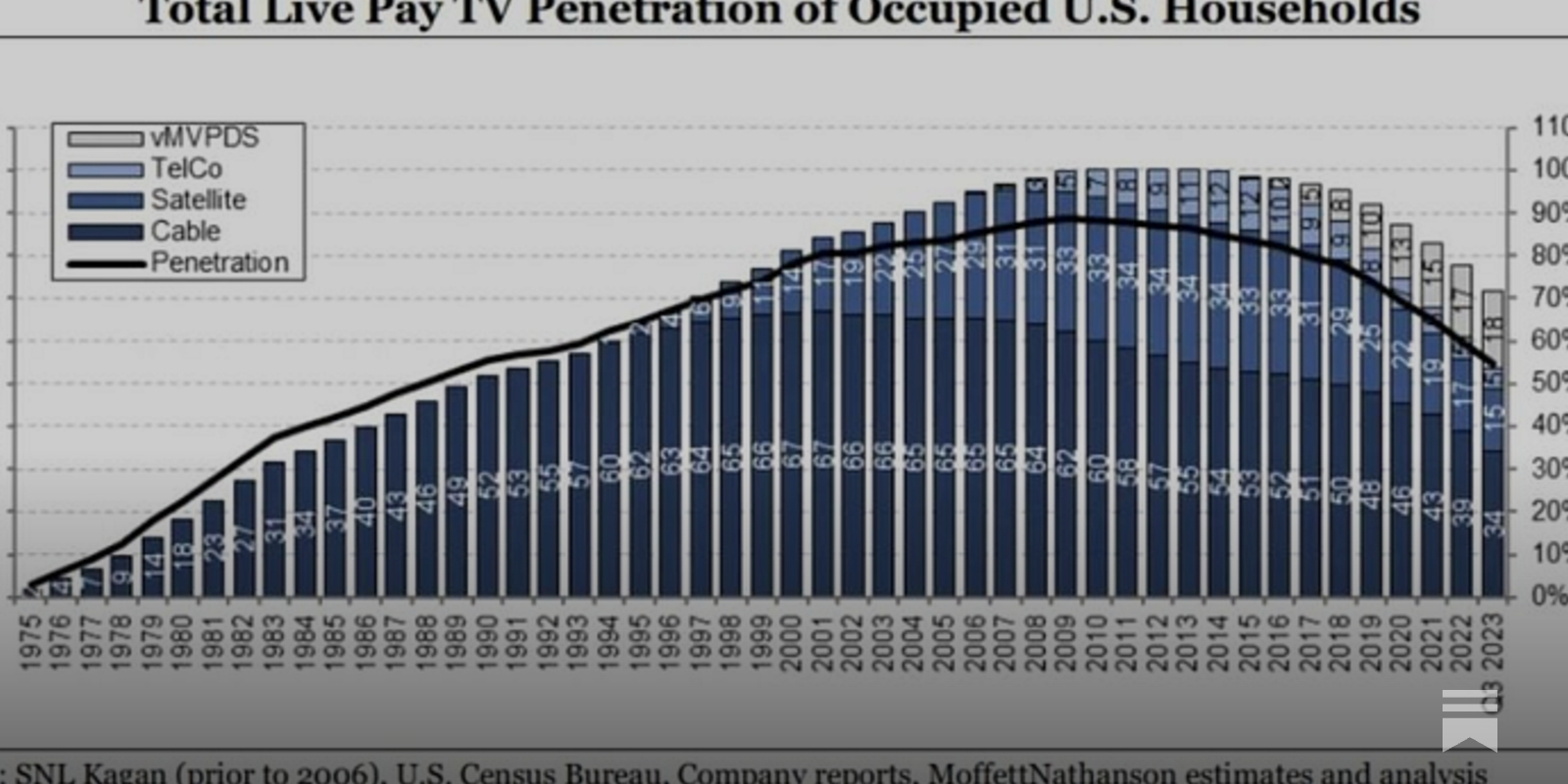
AI is Creating Peak Software, Media is the Best Analogy
Let's learn more about the world's most important manufactured product. Meaningful insight, timely analysis, and an occasional investment idea.
The risks of advanced AI
Could working on AI risks be the highest-impact career choice today? Explore why AI may trigger rapid, dramatic societal change — and what you can do about it.

Statement from Dario Amodei on our discussions with the Department of War
A statement from our CEO on national security uses of AI