

There was a joke at the time that although the National Security Agency had opened up in recent years and started taking their defensive role more seriously, the one aspect of cryptography which they would never discuss publicly was side channel attacks — and this itself constituted a side channel, revealing the importance they attributed to the field. Being active in computer security, and recognizing that the NSA knew a few things about the topic, my immediate priority was to determine whether the information leakage I had identified was sufficient to construct a practical cryptographic side channel. By mid-December I had a proof-of-concept exploit which stole enough bits of an RSA private key for the entire key to be reconstructed, and I turned my attention to the hard part of the problem: Quietly notifying security teams and working together to get the issue fixed before disclosing it publicly.
We Shouldn’t Wait Another Fifteen Years for a Conversation About
With high-profile hacks in the headlines and government officials trying to reopen a long-settled debate about encryption, information security has become a mainstream issue. But we feel that one
Responsible disclosure in the era of cryptocurrencies
My experience disclosing a critical Bitcoin Cash vulnerability

Center for Responsible, Decentralized Intelligence at Berkeley
Our agent hacked every major one. Here’s how — and what the field needs to fix.
Bill C-22’s Groundhog Day: Why the Government’s Dismissal of Signal, Apple and the U.S. Congress Concerns Runs Back the Disastrous Online News Act Playbook - Michael Geist
Secure messaging service Signal yesterday became the latest company to warn that Bill C-22, the lawful access bill, could force it to leave the Canadian market rather than comply with provisions it says would compromise its end-to-end encryption and create new cybersecurity risks. Signal vice-president Udbhav Tiwari told the Globe and Mail that the company “would rather pull out of the country than be compelled to compromise on the privacy promises we have made to our users.” The comments are part of a steady stream of similar warnings from Apple, Meta, the Canadian Chamber of Commerce, the Cybersecurity Advisors Network, and the chairs of the U.S. House Judiciary and Foreign Affairs Committees. Despite growing concern, the government’s response has been to launch a misleading social media campaign and repeatedly insist that the experts and companies are mistaken.
How to Responsibly Report on Hacks and Disinformation
The run-up to the 2016 U.S. presidential election illustrated how vulnerable our most venerated journalistic outlets are to a new kind of information warfare. Reporters are a targeted adversary of foreign and domestic actors who want to harm our democracy. And to cope with this threat, especially in an election year, news organizations need to prepare for another wave of false, misleading, and hacked information. Often, the information will be newsworthy. Expecting reporters to refrain from covering news goes against core principles of American journalism and the practical business drivers that shape the intensely competitive media marketplace. In these cases, the question is not whether to report but how to do so most responsibly. Our goal is to give journalists actionable guidance.
Privacy under attack: the NSA files revealed new threats to democracy
We now know the apparatus of repression has been attached to the democratic state, but our struggle for privacy is far from hopeless. By Eben Moglen
Security incident disclosure — July 2026
We’re on a journey to advance and democratize artificial intelligence through open source and open science.

Updated: Data Breaches Caused by Leaks in 2024
We’re tracking data breaches that are most likely caused by leaked secrets and keeping this page up-to-date.
Revealed: Leaked Chats Expose the Daily Life of a Scam Compound’s Enslaved Workforce
A whistleblower trapped inside a “pig butchering” scam compound gave WIRED a vast trove of its internal materials—including 4,200 pages of messages that lay out its operations in unprecedented detail.

Pro-Iran hackers claim ‘sophisticated’ attack on Bluesky
A pro-Iran hacking group that has been relentlessly targeting American companies with DDoS attacks claims it disrupted Bluesky with what the social media site called a “sophisticated” attack that…

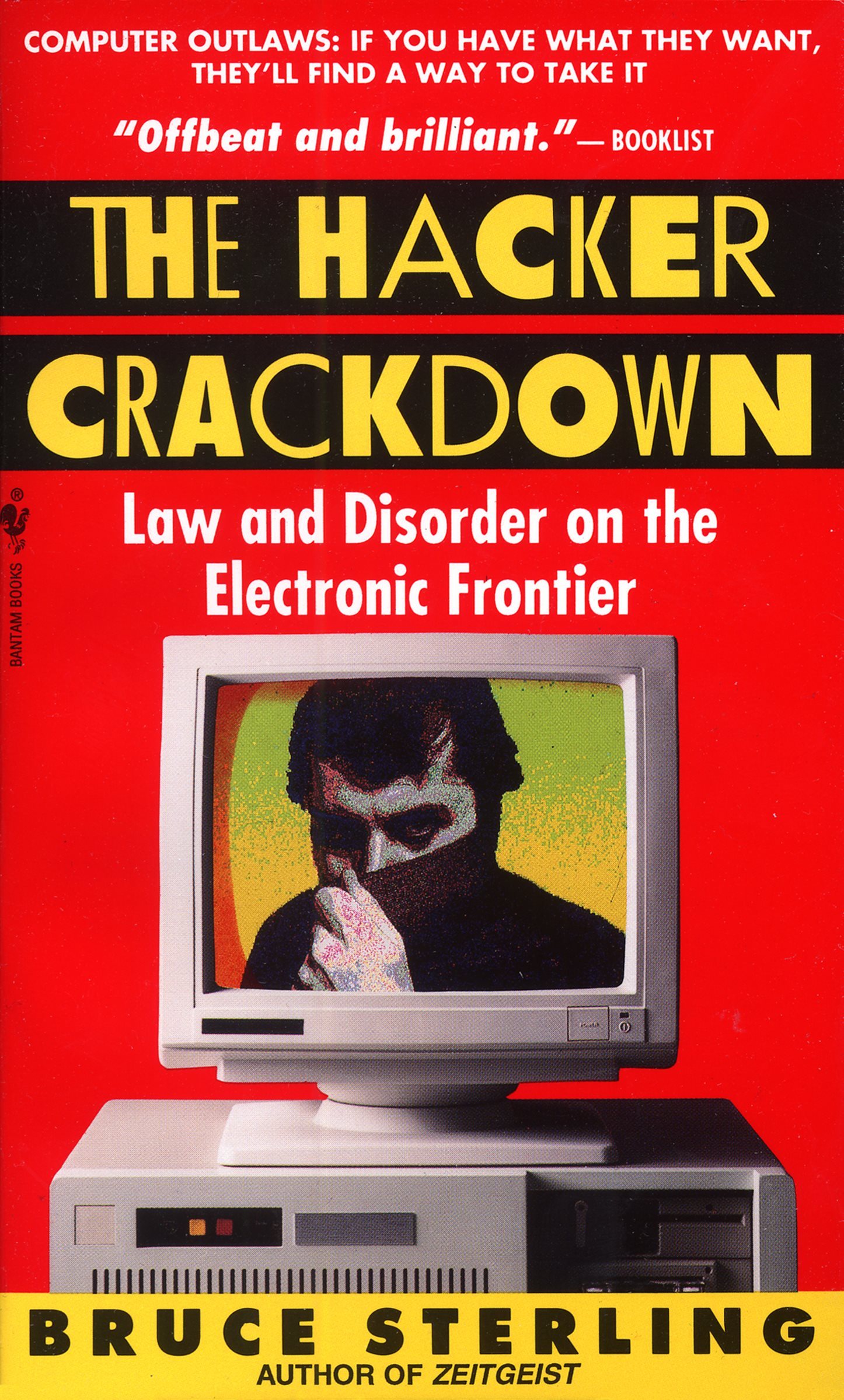
The hacker crackdown: law and disorder on the electronic frontier
A journalist investigates the past, present, and future…
Why everything was broken yesterday
Unsolicited tech advice about the two issues (PHP, compromised certificates) that, separately, each pose some security risks and are worth attending to.

The Lawful Access Two-Headed Surveillance Monster: How Bill C-22 Went Off the Rails - Michael Geist
The government’s plans for lawful access have gone off the rails. In recent days, Signal has warned it would pull out of the Canadian market rather than comply with Bill C-22. Windscribe, the Toronto-headquartered VPN provider, has said it would relocate its headquarters out of Canada and NordVPN has warned it would consider following suit. Apple and Meta have both raised public concerns about the bill’s effect on encryption and cybersecurity. The Canadian Chamber of Commerce, the Cybersecurity Advisors Network, civil liberties groups, and a long line of legal and security experts have all called for changes. The chairs of the U.S. House Judiciary and Foreign Affairs Committees have written to Public Safety Minister Gary Anandasangaree warning that the bill threatens U.S. national security and the integrity of cross-border data flows. Even the bill’s own oversight body, the National Security and Intelligence Review Agency, has told the SECU committee it does not have the access it needs for effective oversight. If the government thought it could push through the bill largely unnoticed, it has been proven painfully wrong as there are now trade frictions with the U.S., the prospect of leading companies exiting the Canadian market, and weaker cybersecurity protections for ordinary users. How did Canada’s lawful access plan go awry so quickly?

I Was Right About ATProto Key Management - nora's notes
Note: this post has been revised to be split into two sections: a description of what happened, and my analysis. I hope to make it clear that, while I do not like ATProto in general, I am trying to make good-faith critcisms of specific design decisions and outcomes, and in fact, this post getting updoots on HackerNews appears to have gotten the attention of the team, so, mission accomplished. ref, ref My account has since been manually reinstated; this has not happened for any of the other users that have had this issue, as far as I know.
The Hacker and the State: Cyber Attacks and the New Nor…
Packed with insider information based on interviews, de…

This is an absolutely astounding press release from eMudhra. No apology, a suggestion that the researcher who found their private keys must have used AI, and an attempt to shift blame to auditors... wow. emudhra.com/en/press-release/emudhra-stat…

eMudhra Statement on distrust of select Global TLS Intermediate and one Root CA
emudhra.com