

Confronting and Overcoming the Risks of Powerful AI
Dario Amodei — The Adolescence of Technology
Confronting and Overcoming the Risks of Powerful AI
Dario Amodei — Machines of Loving Grace
How AI Could Transform the World for the Better

Dario Amodei — Machines of Loving Grace
How AI Could Transform the World for the Better
Dario Amodei — We Must Pace the Frontier
I have worked on AI for the last twelve years because I believe it could dramatically raise the quality of human life. I’ve written often about these incredible benefits: I believe that AI could cure most major diseases in the next 5–10 years, greatly accelerate economic growth rates, create a world of abundance and empowerment, and usher in a renaissance of democracy and freedom. I feel the urgency personally. My own father died of a disease that was cured just a few years after his death, and I myself survived an early-stage cancer that would not have been treatable even fifty years ago. Carefully wielded, AI can be the latest in a long line of technological miracles that have uplifted and ennobled humanity.
Dario Amodei — The Urgency of Interpretability
In the decade that I have been working on AI, I’ve watched it grow from a tiny academic field to arguably the most important economic and geopolitical issue in the world. In all that time, perhaps the most important lesson I’ve learned is this: the progress of the underlying technology is inexorable, driven by forces too powerful to stop, but the way in which it happens—the order in which things are built, the applications we choose, and the details of how it is rolled out to society—are eminently possible to change, and it’s possible to have great positive impact by doing so. We can’t stop the bus, but we can steer it. In the past I’ve written about the importance of deploying AI in a way that is positive for the world, and of ensuring that democracies build and wield the technology before autocracies do. Over the last few months, I have become increasingly focused on an additional opportunity for steering the bus: the tantalizing possibility, opened up by some recent advances, that we could succeed at interpretability—that is, in understanding the inner workings of AI systems—before models reach an overwhelming level of power.

Dario Amodei, hype, AI safety, and the explosion of vibe-coded AI disasters
What the AI cheerleaders don’t tell you
Dario Amodei
Dario Amodei is the CEO of Anthropic, a public benefit corporation dedicated to building AI systems that are steerable, interpretable and safe.

The Connections That Turned a Precocious Teen Into the Fallen ‘Nostradamus of AI’
A 24-year-old investor hailed as a visionary attracted billions—before turning into Wall Street’s latest cautionary tale.

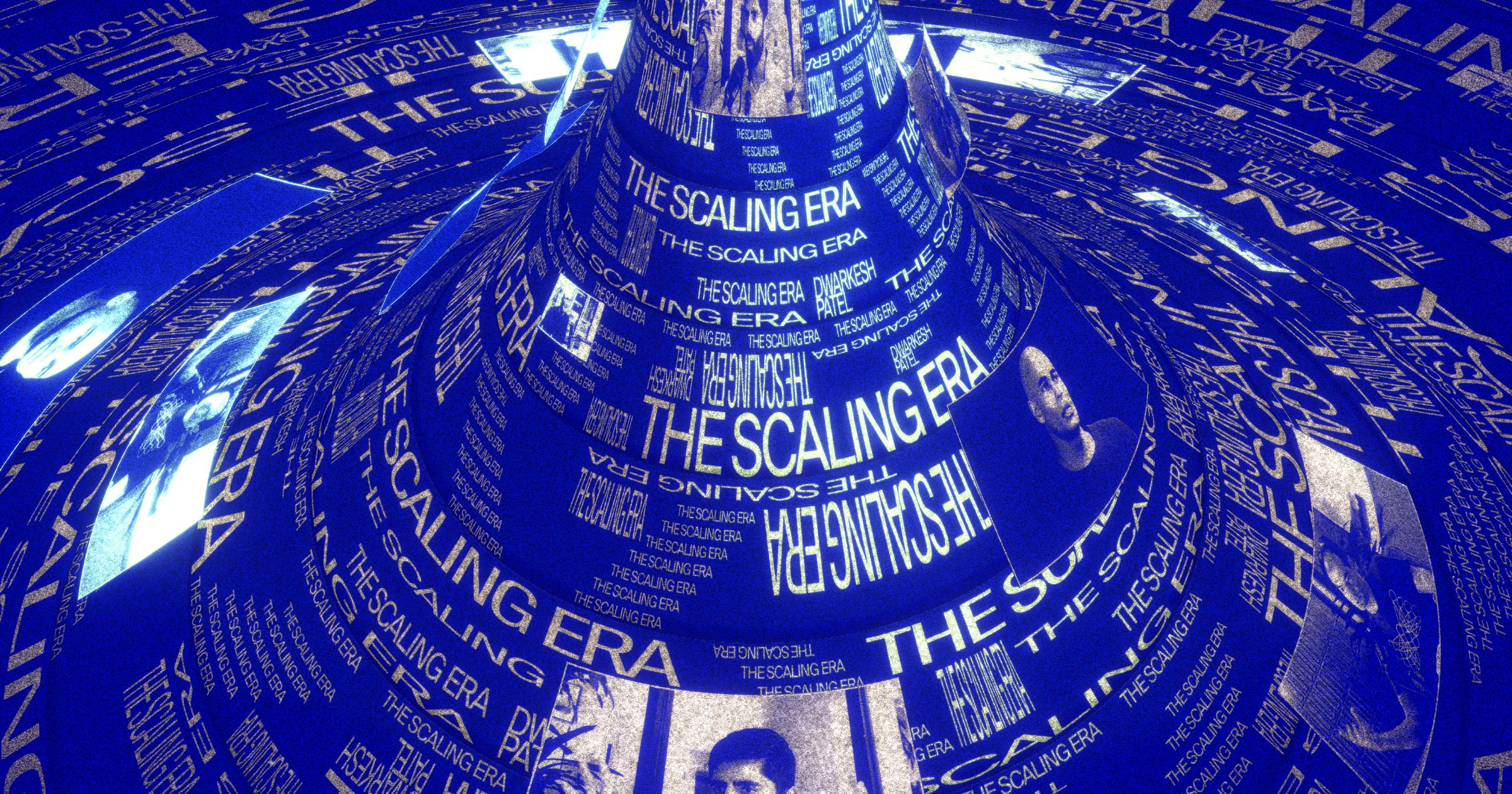
The Scaling Era: An Oral History of AI, 2019–2025
An inside view of the AI revolution, from the people an…

The AI Model That Was Too Dangerous to Release: Meet Claude Mythos
Anthropic just built the most powerful AI in history. Then decided the world wasn’t ready for it. Here’s everything you need to know.
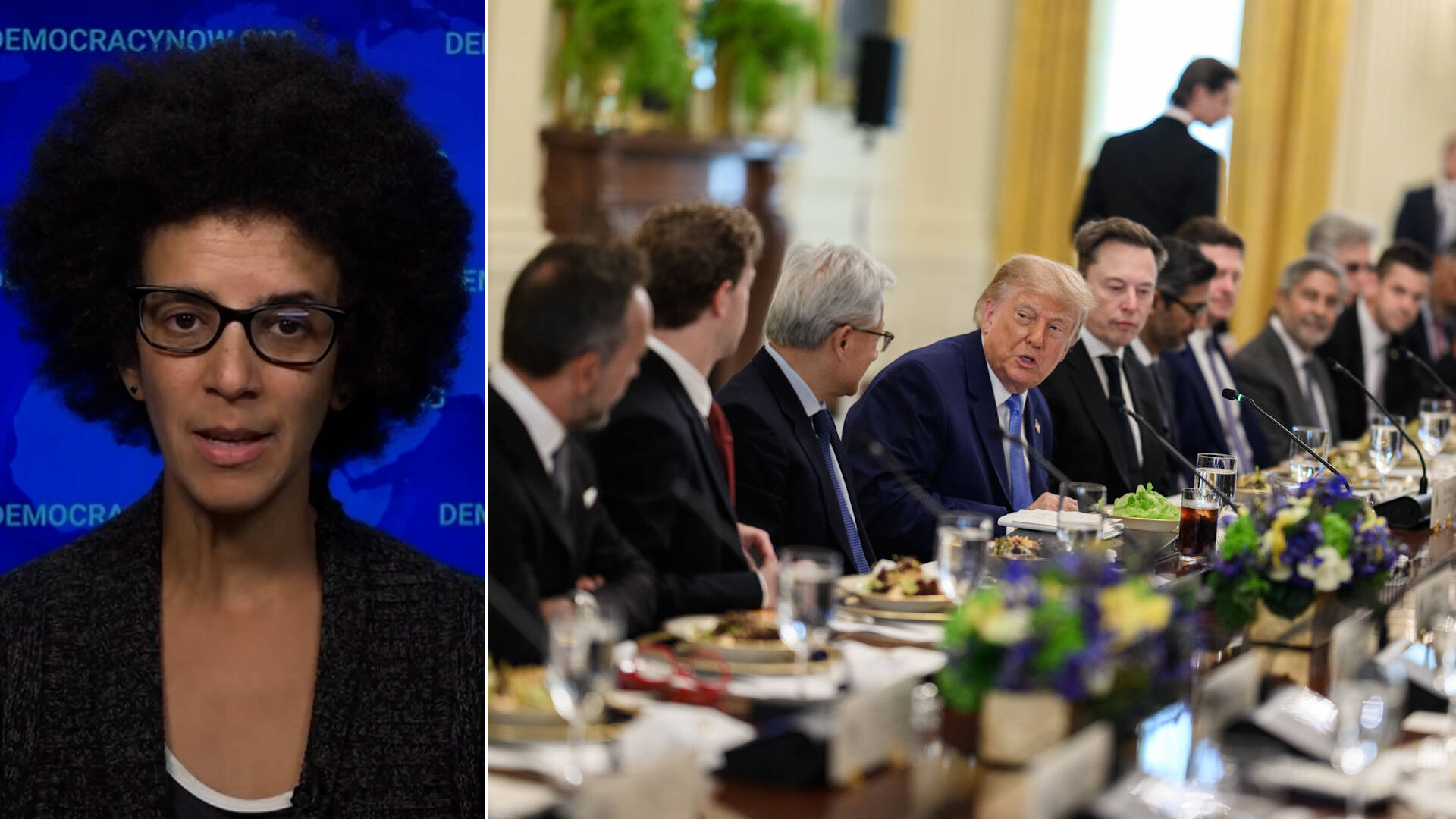
The Real Existential Risk Is AI CEOs Avoiding Oversight: “Alternative Nobel” Winner Timnit Gebru
We speak to the prominent AI researcher and leading critic of the AI industry, Timnit Gebru, who was recently awarded a 2026 Right Livelihood Award for her work investigating the harms and hype behind the global buildup of artificial intelligence. “Instead of discussing faulty, unreliable systems,” Gebru says tech leaders like SpaceXAI’s Elon Musk, OpenAI’s Sam Altman and Anthropic’s Dario Amodei are “marketing their systems as all-knowing, superpowerful, superintelligent,” and lobbying for “self-policing and self-regulation” to avoid being held “liable through existing laws.” Gebru expresses skepticism over increasingly widespread claims that AI algorithms pose an existential risk to humanity, warning that such claims are overblown and that “what is actually happening is regulatory capture.”
The Age of Wonders and Terrors
Twenty years ago, when the idea of AI taking over the world in our lifetimes still struck most of us as the unconstrained fantasy of those who knew too much science fiction and too little science, …

Itai Yanai on Twitter / X
Unpopular opinion: Going straight to AI limits your creatively, because it short-circuits the iterative process you need to develop new ideas. pic.twitter.com/O2iPs0bfh0— Itai Yanai (@ItaiYanai) June 20, 2026

The Scaling Era: An Oral History of AI, 2019–2025
An inside view of the AI revolution, from the people and companies making it happen.
science in the age of AI

What does it mean to be a human researcher in the age of powerful AI?
Claude-shaped science

Agentic Laboratories of the Future: Towards World Models for Scientific Discovery
On the Value of Doing a PhD in the Age of AI

Applied Pure Mathematics

What Next for Academia?
The Age of Wonders and Terrors