The U.S. military needs to do less foreign fighting and more foreign training, says Joint Chiefs Chairman Gen. Martin Dempsey in an exclusive interview. By James Kitfield
There's growing disquiet in the military. The Iran war made it worse
Since Trump began his second term, his administration's use of the armed forces has left a growing number in the military unsettled, according to NPR interviews with service members and advocates.
Military Strategist Explains Why Trump Leads—And Will Fail
Air Force fighter pilot John Boyd's theory about confounding opponents with a constantly shifting battlefield applies to Donald Trump and all GOP aspirants.
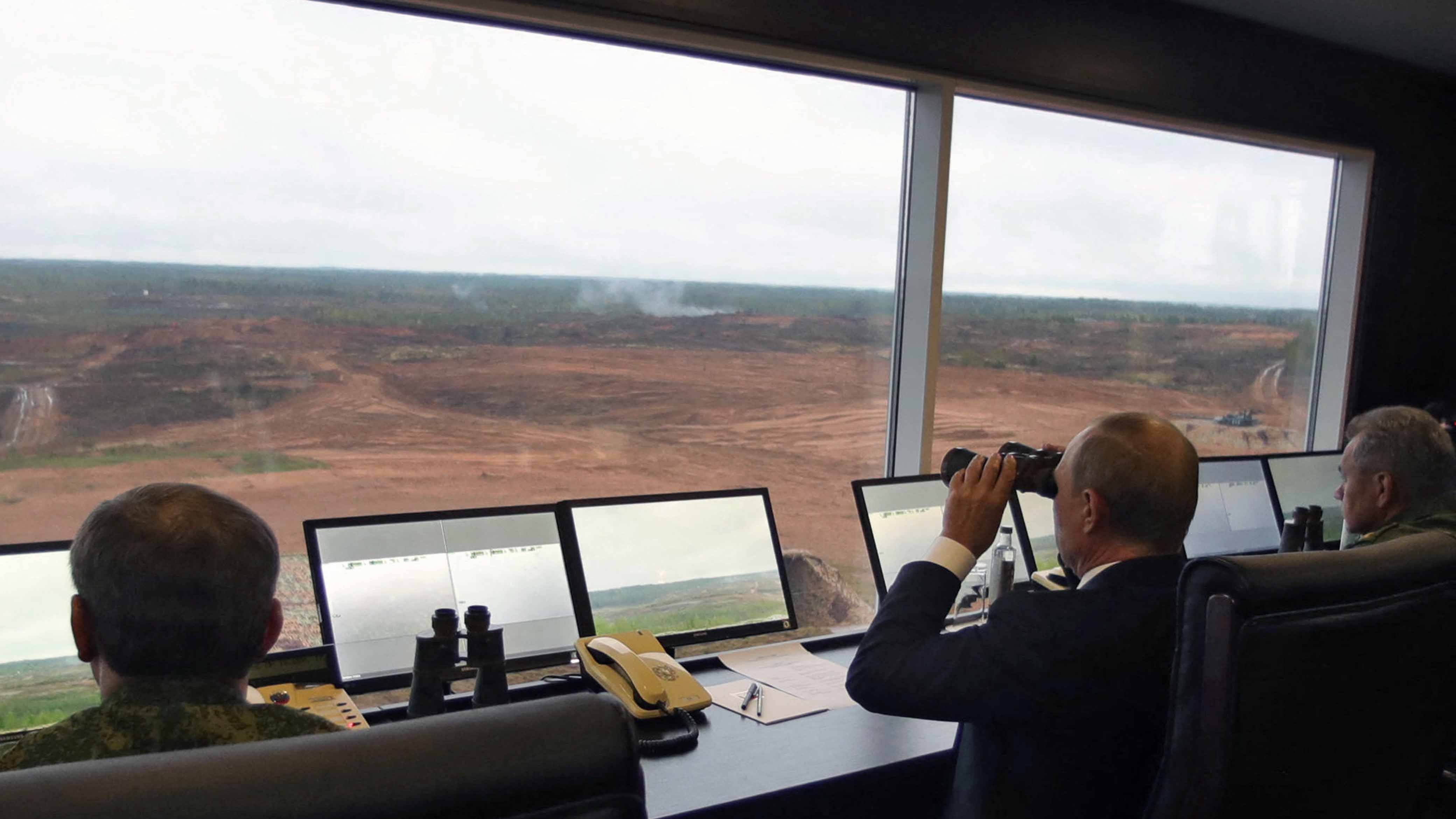
How Russia Is Reshaping Command and Control for AI-Enabled Warfare
Kateryna Bondar examines how Russia conceptualizes, builds, and adapts its command and control (C2) architecture under wartime pressures, in the first installment of a series on Russia’s use of AI in military operations.
‘I’m fighting two wars. One against the Russians. And one inside myself.’
A drone pilot and her all-women unit are waging a new kind of warfare on Ukraine’s eastern front

The High-Tech Case For Bringing Back The Draft
As drones, cyberattacks and other high-tech developments change the nature of war, two prominent scholars argue that we must also rethink who fights our

Emergent Approaches to Combined Arms Manoeuvre in Ukraine
Ukrainian forces have begun to develop novel approaches to combined arms manoeuvre, incorporating new capabilities, that bear scrutiny for NATO armies.

Office of Force Transformation
The United States Department of Defense Office of Force Transformation (OFT) was established October 29, 2001 in the Office of the Secretary of Defense. Secretary of Defense Donald Rumsfeld called for the creation of this new office to support his transformation vision along with President George W. Bush’s broad mandate to transform U.S. military capabilities. The transformation process intends to challenge the status quo with new concepts for American defense to ensure an overwhelming and continuing competitive advantage. The Director, Force Transformation serves as advocate, focal point, and catalyst for transformation among the Department, reporting directly to the Secretary and Deputy Secretary of Defense.

Putin’s High-Tech Russian Submarines Goad NATO Deep Below the Atlantic
NATO is fighting back against Russia’s submarine threat in cat-and-mouse games reminiscent of the Cold War
The institutional politics of Carney’s defence bank - The Hill Times
Canada’s role in NATO finance risks locking in a defence-driven political economy that will be difficult to reverse.

How the U.S. Military Learned to Embrace AI Warfare
A review of Katrina Manson, “Project Maven: A Marine Colonel, His Team, and the Dawn of AI Warfare” (Norton, 2026).

Military Strategy in a Complex World — New England Complex Systems Institute
A strategy is a plan, method, or series of actions for obtaining a specified goal. A military strategy typically employs the threat or use of military force to advance goals in opposition to an adversary, and is called upon where large scale force is viewed as the way to achieve such goals. Strategic thinking is traditionally focused on which part or combination of land, air, and naval forces is most effective. This may be too narrow an approach to accomplishing the ultimate end, which is generally political influence or control—or preventing influence or control by others—and almost never consists of physical destruction itself. In order to broaden the discussion of military strategy, we consider here three distinct effects of inflicting stress on an opponent: a) A fragile system is damaged—possibly catastrophically, b) A robust system is largely unaffected, retaining much or all of its prior strength, c) Some systems actually gain strength, a property which has recently been termed antifragility. Traditional perspectives of military strategy implicitly assume fragility, limiting their validity and resulting in surprise, and assume a specific end state rather than an overall condition of the system as a goal. Robustness and antifragility are relevant both to offense, in attacks against the enemy, and defense, in meeting attacks against one’s own forces. While robustness and antifragility are desirable in friendly systems, an enemy possessing these characteristics undermines the premise that an attack will achieve a desired increase in control. Historical and contemporary examples demonstrate the failure of traditional strategies against antifragile enemies—even devastating damage inflicted upon nations or other organizations did not weaken and defeat them, but rather strengthened them, resulting in their victory. Underlying such successful responses are socio-economic or political strengths. Our discussion is a basis for scientific analysis of the historical and contemporary conditions under which distinct types of strategies will be successful and provides guidance to improved strategic thinking.

The war in Ukraine as an example of the problematic nature of the effective use of mobilized civilians
The war in Ukraine has underscored not only the strategic and military differences between professional soldiers and mobilized civilians but also the complex…
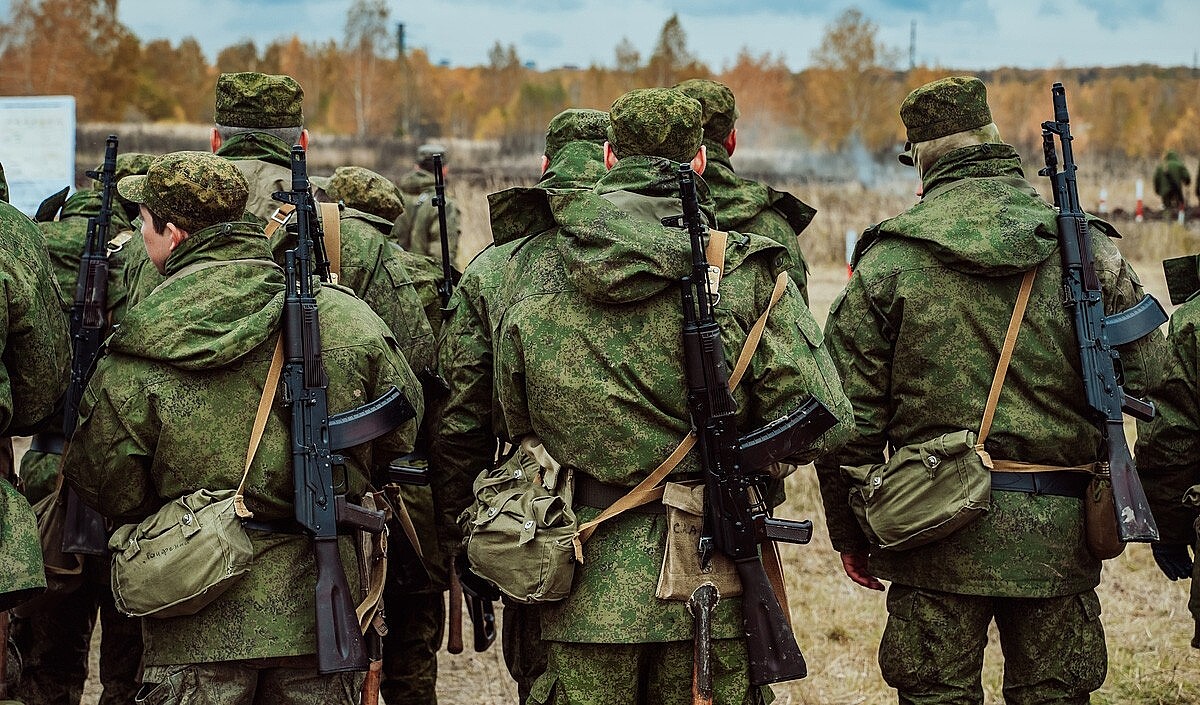
Collections: How the Weak Can Win – A Primer on Protracted War
Thanks to our volunteer narrator, this post is now available in audio format. This week, in an effort to fill in some of the theoretical basis for thinking about how weaker powers think about fight…

Collections: How the Weak Can Win – A Primer on Protracted War
Thanks to our volunteer narrator, this post is now available in audio format. This week, in an effort to fill in some of the theoretical basis for thinking about how weaker powers think about fight…

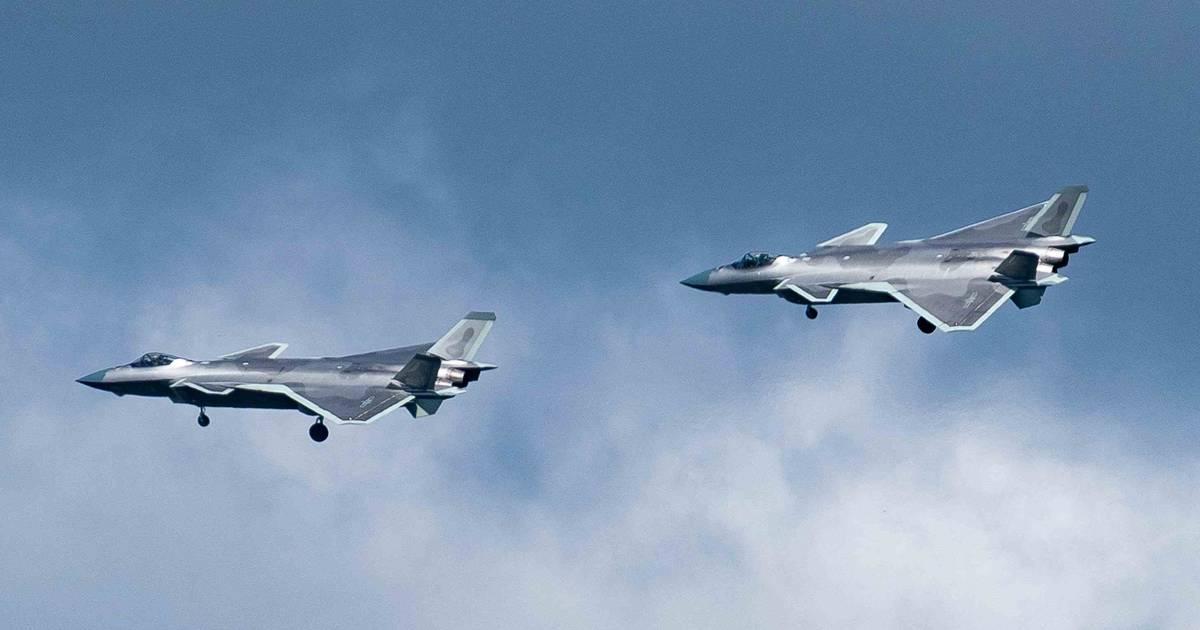
The Evolution of Russian and Chinese Air Power Threats
Russian and, particularly, Chinese capabilities now pose greater threats to Western air power than in 2020.