


Sudan’s military is accusing the paramilitary Rapid Support Forces of killing at least 2,000 people since seizing control of El Fasher in the Darfur region, including some 460 at the Saudi Maternity Hospital. Meanwhile, tens of thousands have fled. “What’s happening is no less than a … campaign of destruction and annihilation,” says Mathilde Vu, Sudan advocacy manager at the Norwegian Refugee Council, speaking to Democracy Now! from Kenya. What’s unfolding in El Fasher is “the sum of all our fears,” adds Nathaniel Raymond, executive director of the Humanitarian Research Lab at the Yale School of Public Health. He urges the United States to put pressure on the United Arab Emirates, which has backed the RSF in the civil war as the group carries out “acts that are tantamount to genocide.”
El-Fasher attack: Dozens killed in drone strike in besieged Sudan city
El-Fasher has been surrounded by the RSF for 17 months, as residents face hunger and starvation.
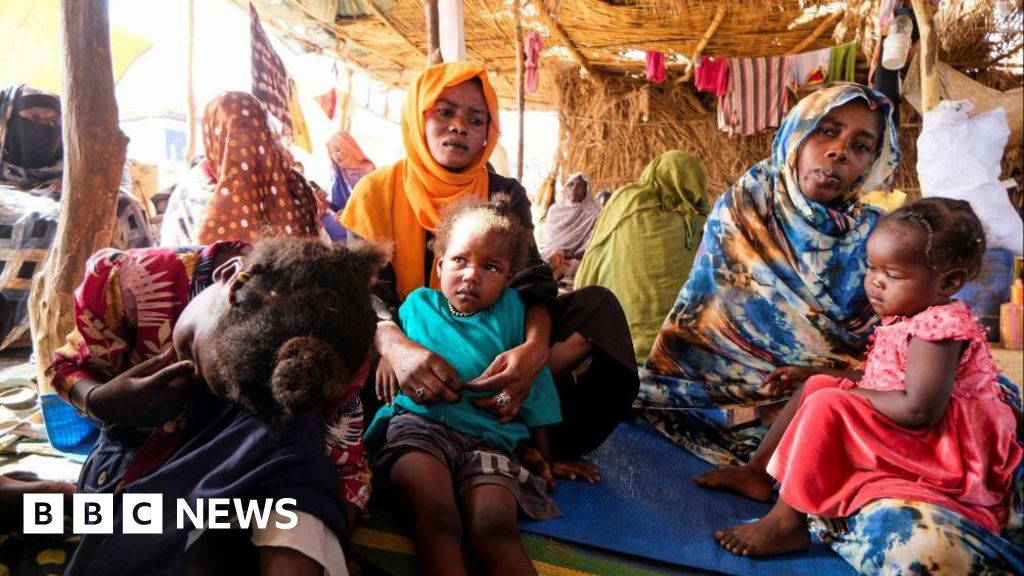
Fanning the Flames
Since the conflict between the Sudanese Armed Forces (SAF) and the Rapid Support Forces (RSF) began in Sudan in April 2023, countless civilians have been killed, millions have been internally displaced, and millions face famine. There is a large and growing body of credible evidence documenting how, during their conduct in the conflict, the warring parties have committed widespread war crimes, crimes against humanity, and serious human rights violations, including in the Darfur region. For example, Human Rights Watch, among others, has documented devastating ethnic cleansing in West Darfur. Given the prevalence of such atrocities in the conflict, Human Rights Watch has called for the renewal and expansion of the existing arms embargo on Darfur to the rest of Sudan to prevent warring parties acquiring weapons or equipment likely to be used to perpetuate serious violations of international human rights and humanitarian law, harming civilians.

Shelling, Drones, and Hunger in El Fasher | Council on Foreign Relations
Regional and international actors should approach the crisis in Sudan with the urgency it demands.

Heroism, horror and the ‘pits of hell’: inside the last days of El Fasher
Over two days in October 2025, up to 10,000 people are believed to have been massacred; a further 40,000 civillians from the Sudanese city are still unaccounted for. This is the story of what happened
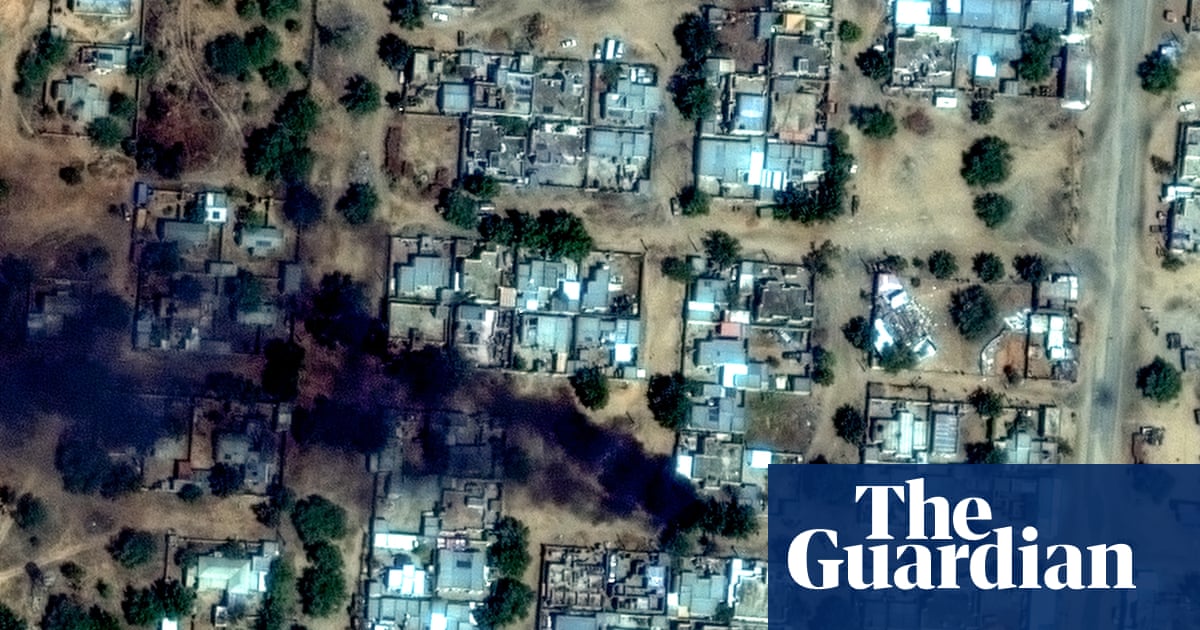
Radio silence: How the defence of Sudan's el-Fasher collapsed after comms blackout
Soldiers who fled the North Darfur city describe how jamming of radios and satellite phones left troops confused and isolated as the RSF attacked

RSF-aligned politician killed by drone attack in rare assassination in Sudan war | The National
Paramilitary group blames army for lethal strike that killed founding member of coalition loyal to the RSF
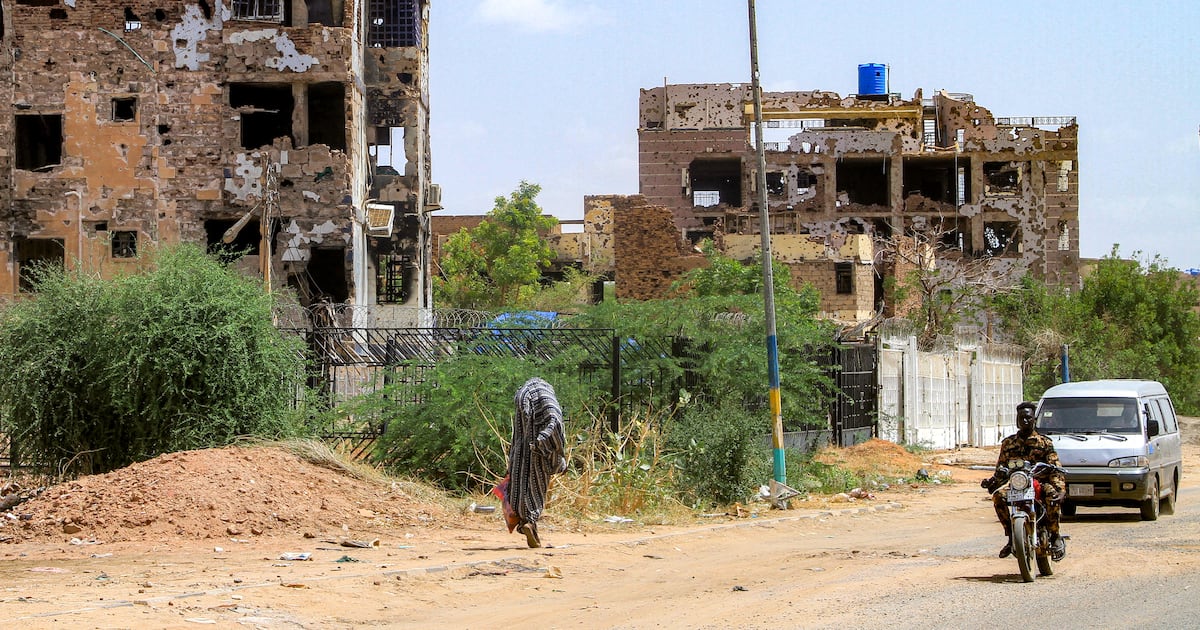
WFP cyber-attack: Is nearly all of Gaza’s population exposed?
Notes on how aid works: What WFP leaves out of data breach reports, the humanitarian reset’s neglected crises, and Palantir.

War Without End: How Drone Warfare and Failed Diplomacy Are Fragmenting Sudan
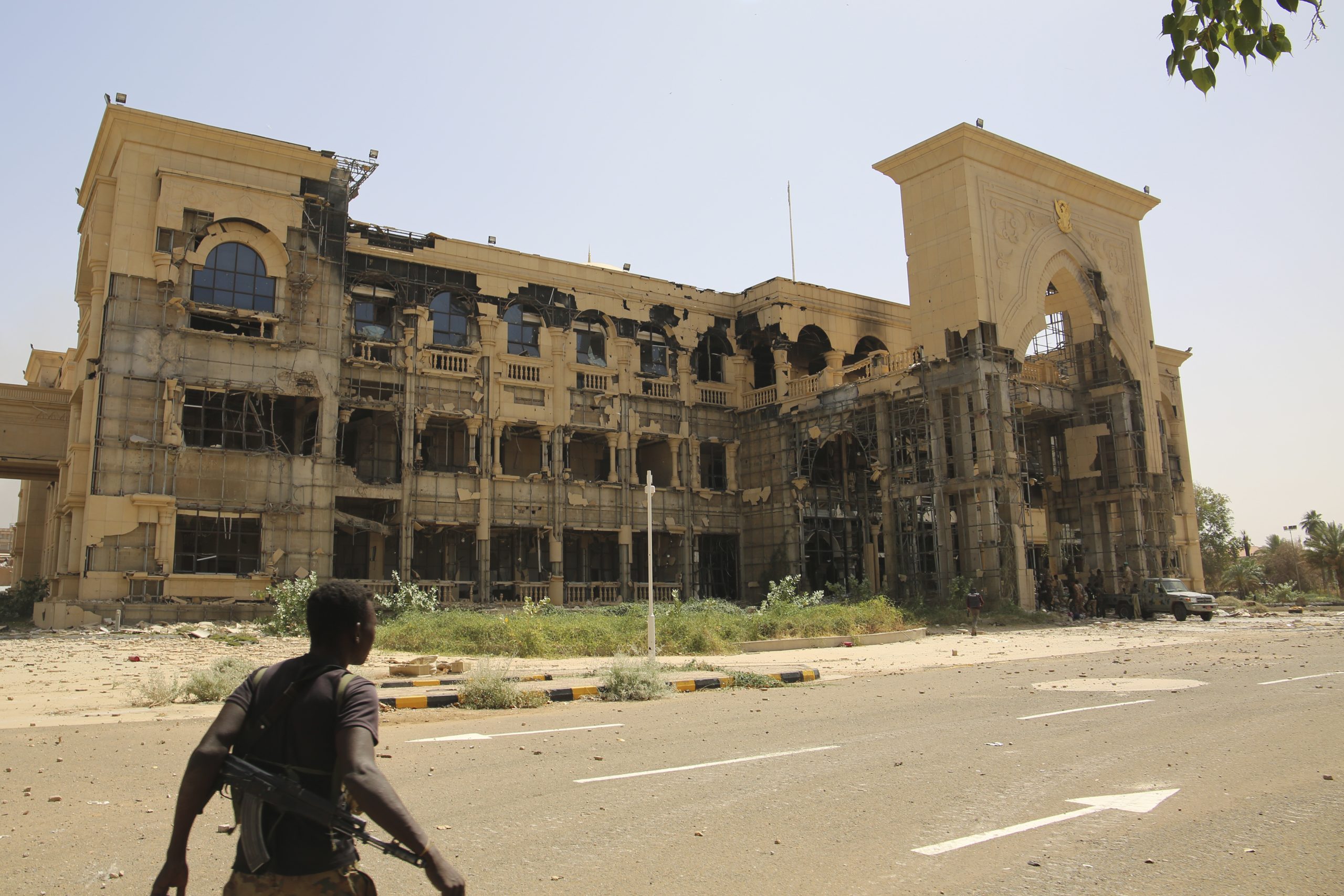
Tensions between the Sudanese Armed Forces (SAF) and the Rapid Support Forces (RSF) continue to rise amid the over two-year civil war as the RSF’s targeting of the Sudanese capital of Khartoum and its main airport has persisted. The SAF reclaimed Khartoum from the RSF in March by recapturing the presidential palace and government headquarters […]
Sky News on Twitter / X
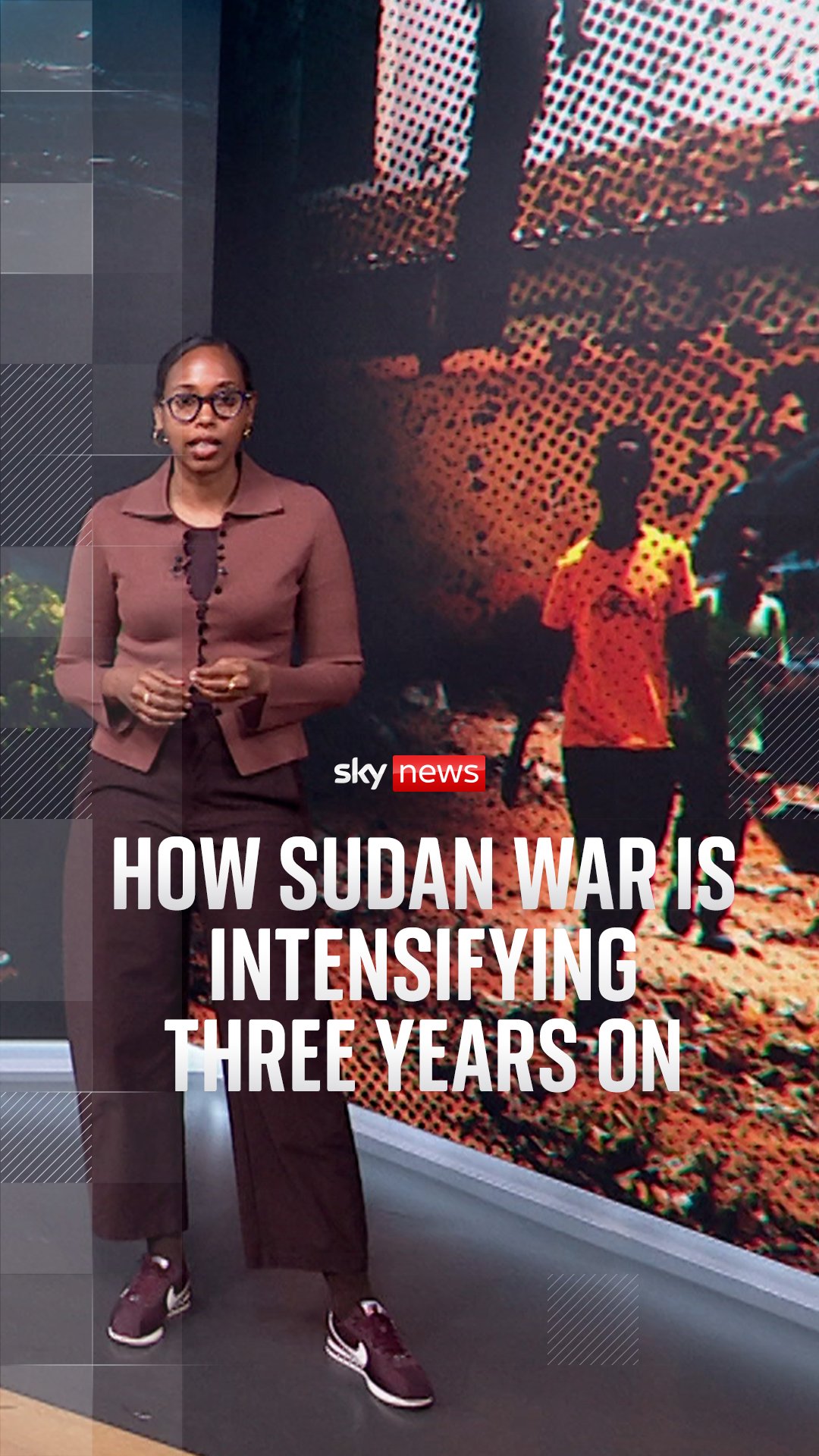
Sky's Africa correspondent @YousraElbagir examines the situation in Sudan after almost three years since the conflict there began, with ongoing drone warfare and refugees being deported back en masse.Read more: https://t.co/YnqK4tyuCj pic.twitter.com/Agi05elTeO— Sky News (@SkyNews) March 12, 2026
Gaza genocide
The Gaza genocide is the ongoing, intentional, and systematic destruction of the Palestinian people in the Gaza Strip carried out by Israel during the Gaza war. It encompasses mass killings, the deliberate killing of children, deliberate starvation, infliction of serious bodily and mental harm, and prevention of births. Other acts include blockading, destroying civilian infrastructure, destroying healthcare facilities, killing healthcare workers and aid-seekers, causing mass forced displacement, committing sexual violence, and destroying educational, religious, and cultural sites. The genocide has been recognised by a United Nations special committee and commission of inquiry, the International Association of Genocide Scholars, multiple human rights groups, state governments, numerous genocide studies and international law scholars, and other experts.

Experts Warn U.S. in Early Stages of Genocide Against Trans Americans
Genocide scholars say policies targeting transgender Americans match early warning signs of mass atrocity.This piece has been updated from its original email version.Genocide scholars are sounding the alarm over what they describe as escalating attacks targeting transgender, nonbinary, and intersex Americans in the United States.Experts, including two former presidents of the International Association of Genocide Scholars (IAGS), warn that the nation may already be in the early stages of committ

'A very frightening time': US terror tag endangers UK Palestine Action activists, critics say
Washington's move to designate Palestine Action as a transnational terrorist organisation could place British activists associated with the group at heightened risk of surveillance and being frozen out of the financial system, campaigners warn.

Rohingya genocide
The Rohingya genocide is a period of ongoing persecutions and killings of the Muslim Rohingya people by the Tatmadaw. The genocide has consisted of two phases to date: the first was a military crackdown that occurred from October 2016 to January 2017, and the second has been occurring since August 2017. From 2024 onward, the Arakan Army has also been accused of participating in abuses against Rohingya Muslims, particularly in areas under its control. The crisis forced over a million Rohingya to flee to other countries. Most fled to Bangladesh, resulting in the creation of the world's largest refugee camp, while others escaped to India, Thailand, Malaysia, and other parts of South and Southeast Asia, where they continue to face persecution. Several countries consider these events ethnic cleansing.

Sudan Witness
We expose human rights violations & protect democracy through open-source investigations. We partner with local groups to document war crimes & disinformation, driving real change worldwide.
Recent Developments in Drone Threats to Humanitarians
The threat of drones to humanitarians is a rising concern. High-profile incidents—such as the fatal multiple-strike attack on an aid convoy in Gaza in April 2024—have made this dynamic an even greater priority for risk managers.Global data on this emerging threat is currently defined by the rapid increase and volume of drone attacks perpetrated by Russian forces in Ukraine, and to a lesser extent, Israeli Defense Forces (IDF). In other contexts, like Sudan, Iraq, and Syria, governments are also the primary perpetrators of drone incidents. Nonetheless, the list of drone operators in complex humanitarian settings has increased and diversified since 2022, particularly among organised armed groups (OAGs), driving further interest within the humanitarian community.

Gaza: Israeli Killings of Palestinians Seeking Food Are War Crimes
Israeli forces at the sites of a new US-backed aid distribution system in Gaza have routinely opened fire on starving Palestinian civilians in acts that amount to serious violations of international law and war crimes, Human Rights Watch said today.
