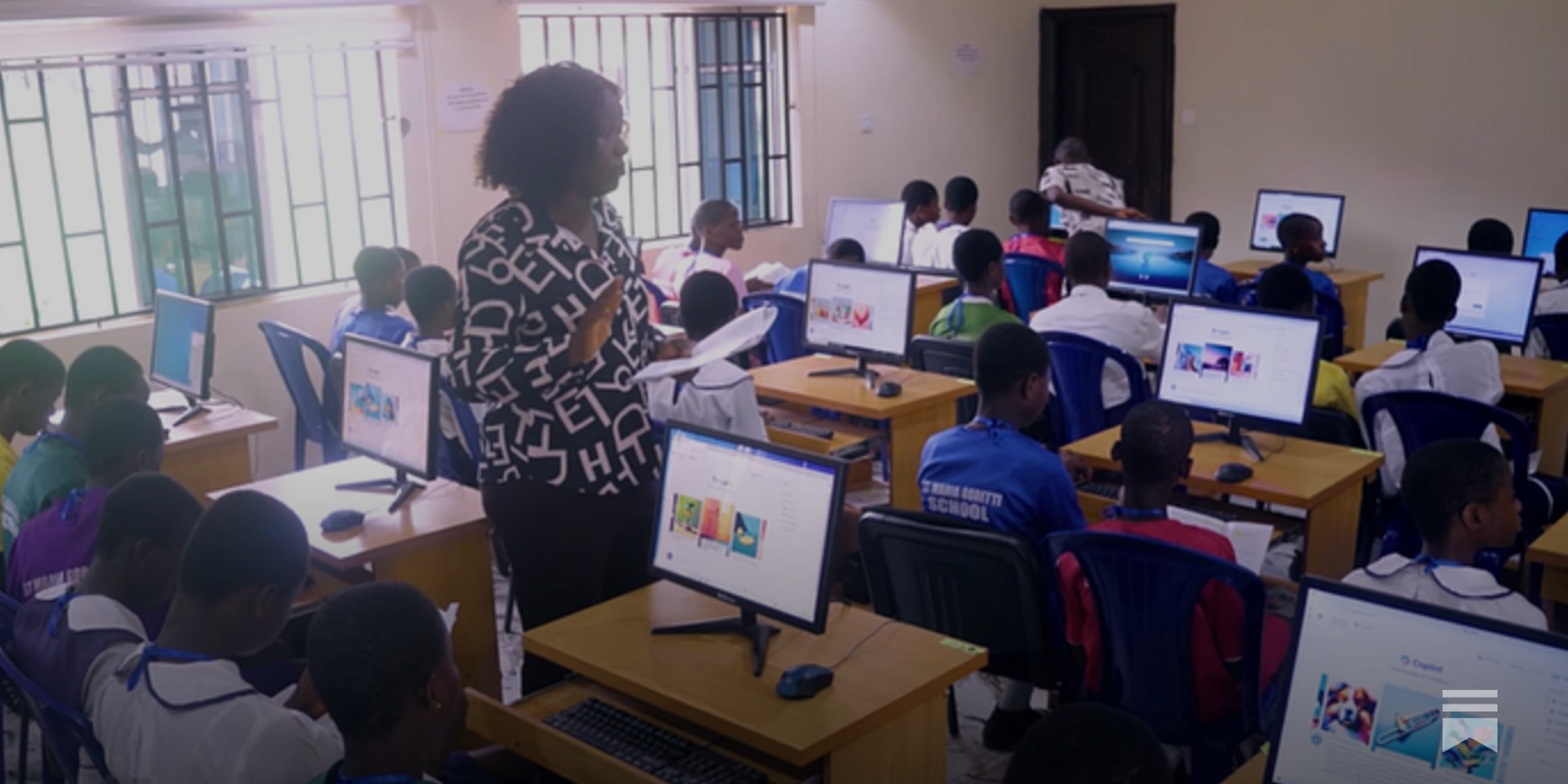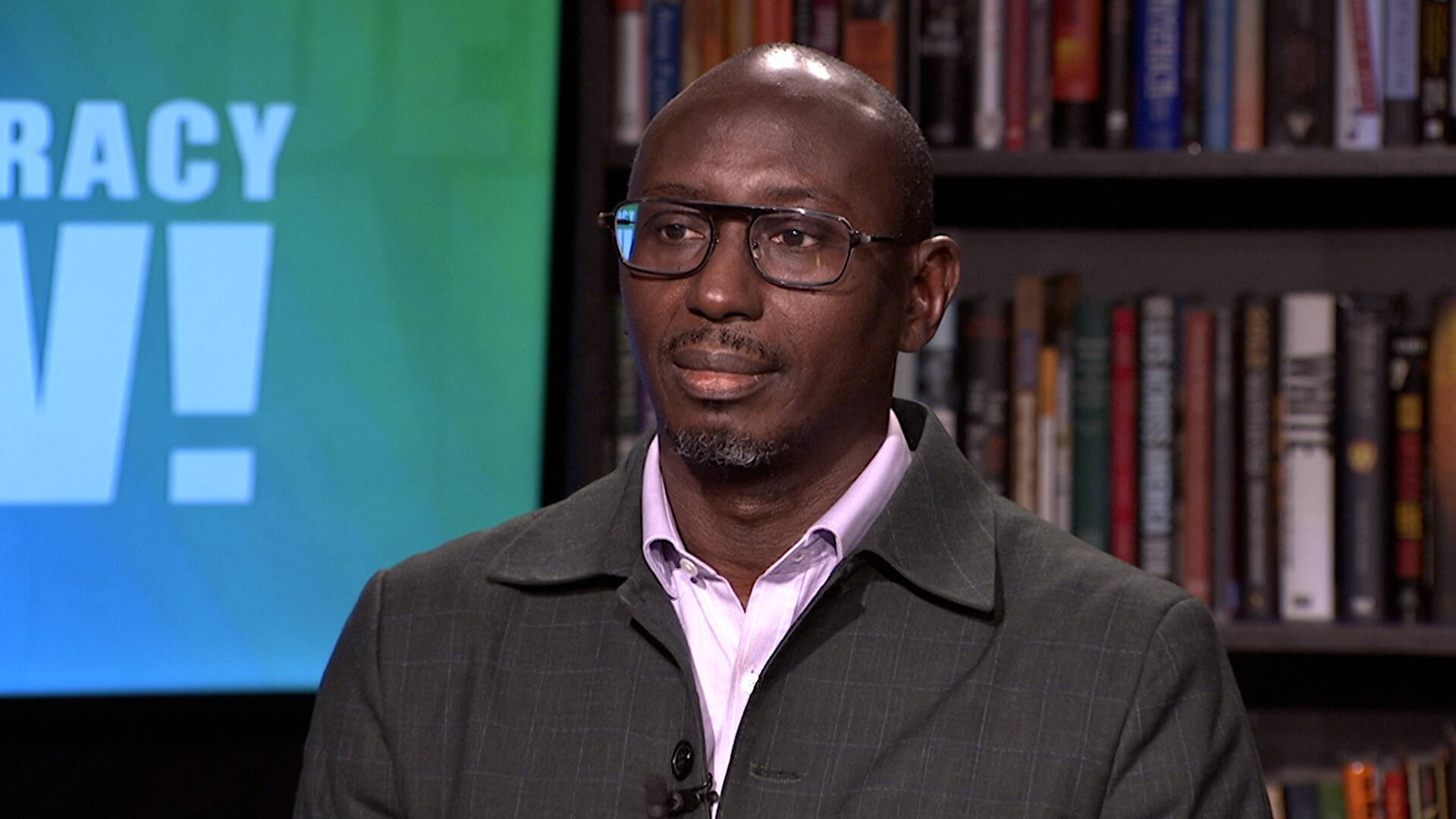
Seydina Moussa Ndiaye is a member of the Global Partnership on Artificial Intelligence, working on a strategy with the African Union to address the risks and benefits of AI for the continent. African countries face the threat of “colonial AI,” says Ndiaye. “When we talk about colonialism historically, that involves the control of resources, the control of knowledge and the control of terms of exchange, and we see that in Africa when we talk about AI.”
Artificial Intelligence in the Colonial Matrix of Power
Drawing on the analytic of the “colonial matrix of power” developed by Aníbal Quijano within the Latin American modernity/coloniality research program, this article theorises how a system of coloniality underpins the structuring logic of artificial intelligence (AI) systems. We develop a framework for critiquing the regimes of global labour exploitation and knowledge extraction that are rendered invisible through discourses of the purported universality and objectivity of AI. Through bringing the political economy literature on AI production into conversation with scholarly work on decolonial AI and the modernity/coloniality research program, we advance three main arguments. First, the global economic and political power imbalances in AI production are inextricably linked to the continuities of historical colonialism, constituting the colonial supply chain of AI. Second, this is produced through an international division of digital labour that extracts value from majority world labour for the benefit of Western technology companies. Third, this perpetuates hegemonic knowledge production through Western values and knowledge that marginalises non-Western alternatives within AI’s production and limits the possibilities for decolonising AI. By locating the production of AI systems within the colonial matrix of power, we contribute to critical and decolonial literature on the legacies of colonialism in AI and the hierarchies of power and extraction that shape the development of AI today.
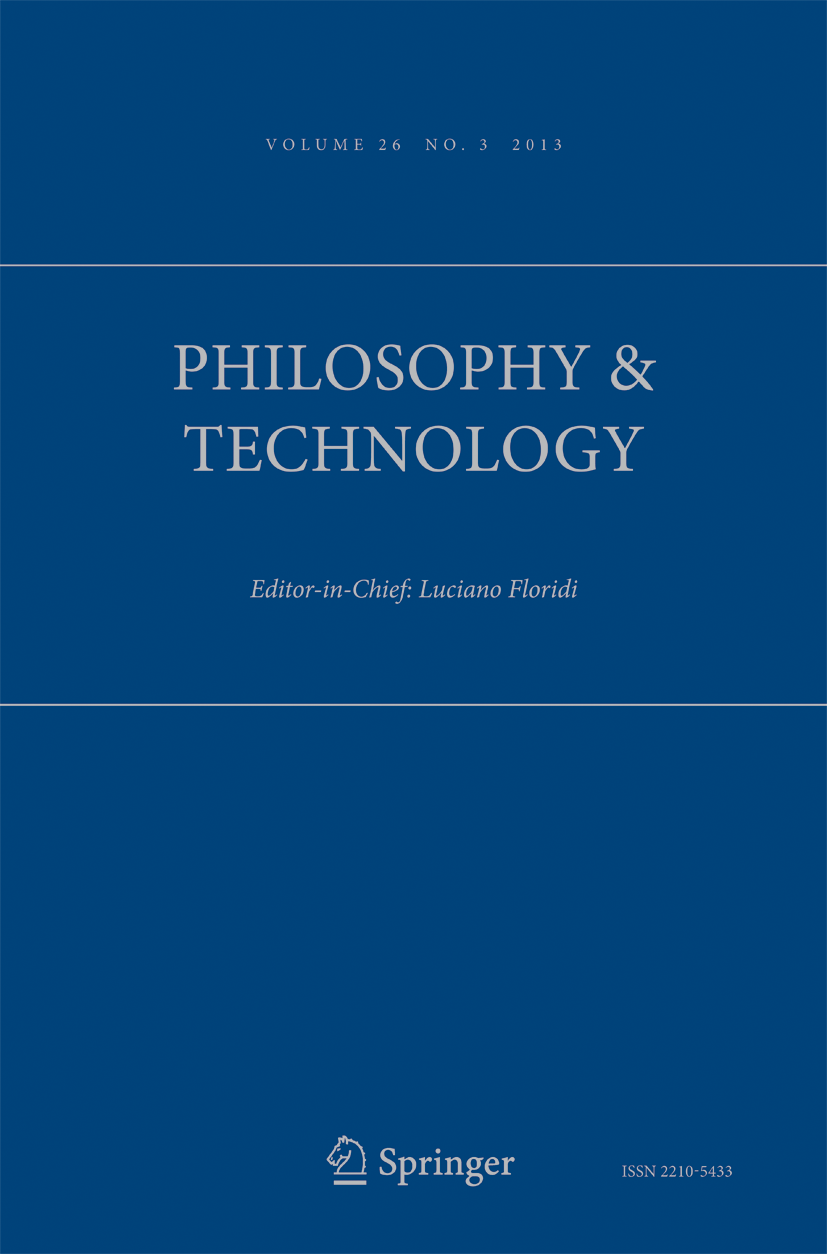
AI’s Imperial Agenda
“Empire of AI” author Karen Hao on how Silicon Valley’s young AI companies parallel colonial empires of old.
Are Africa’s power grids ready for the AI data centre boom?
African countries should plan for the AI economy by developing power and digital systems together, and treating data centres as strategic infrastructure.
'AI Is African Intelligence': The Workers Who Train AI Are Fighting Back
Kenyan workers are still the underpaid labor behind AI training, moderation, and sex chatbots. The Data Labelers Association is fighting back.

JamiiAfrica
Deploying Africa’s Civic OS—a decentralized, secure, and AI-driven digital infrastructure that enables citizens to hold authorities accountable while giving institutions credible, data-backed incentives to respond
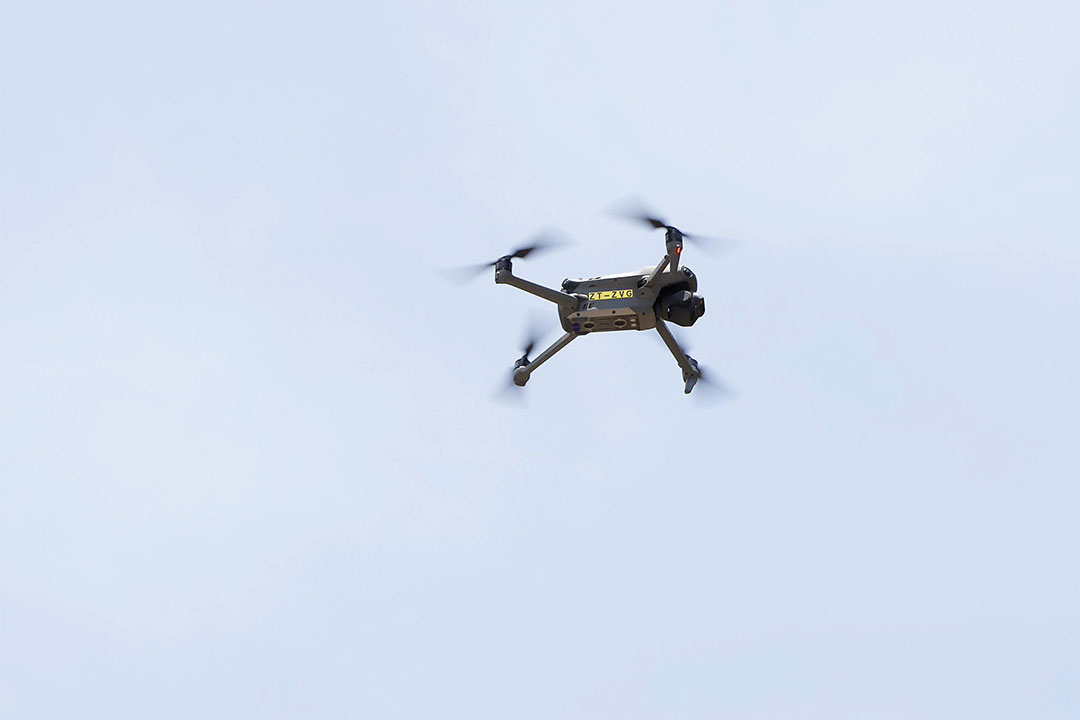
African Nations Turn to AI, Drones to Secure Borders - Africa Defense Forum
South Africa has joined Ethiopia, Kenya, Sudan and Tunisia in deploying advanced technology, such as artificial intelligence and drones, to enhance border security. South Africa’s technology upgrade includes four quadcopter drones to monitor locations known for illegal crossings. The drones can operate around the clock and use infrared cameras to track people crossing at night.
'Sovereignty' Myth-Making in the AI Race
Tech companies stand to gain by encouraging the illusion of a race for 'sovereign' AI, write Rui-Jie Yew, Kate Elizabeth Creasey, Suresh Venkatasubramanian.
Apocalypse Now and Then • EQUATOR
Artificial intelligence is capitalism’s final destination

Strengthening AI Foundations: Emerging Opportunities for Developing Countries
The World Bank’s Digital Progress and Trends Report 2025 explores how AI is accelerating growth in developing countries, while highlighting persistent gaps in access, infrastructure, and skills. Discover key trends, challenges, and the ‘Four Cs’ needed to strengthen AI foundations globally.

On the Death of Amazon’s Writing Culture
How AI has turned what was once a superpower into a liability.
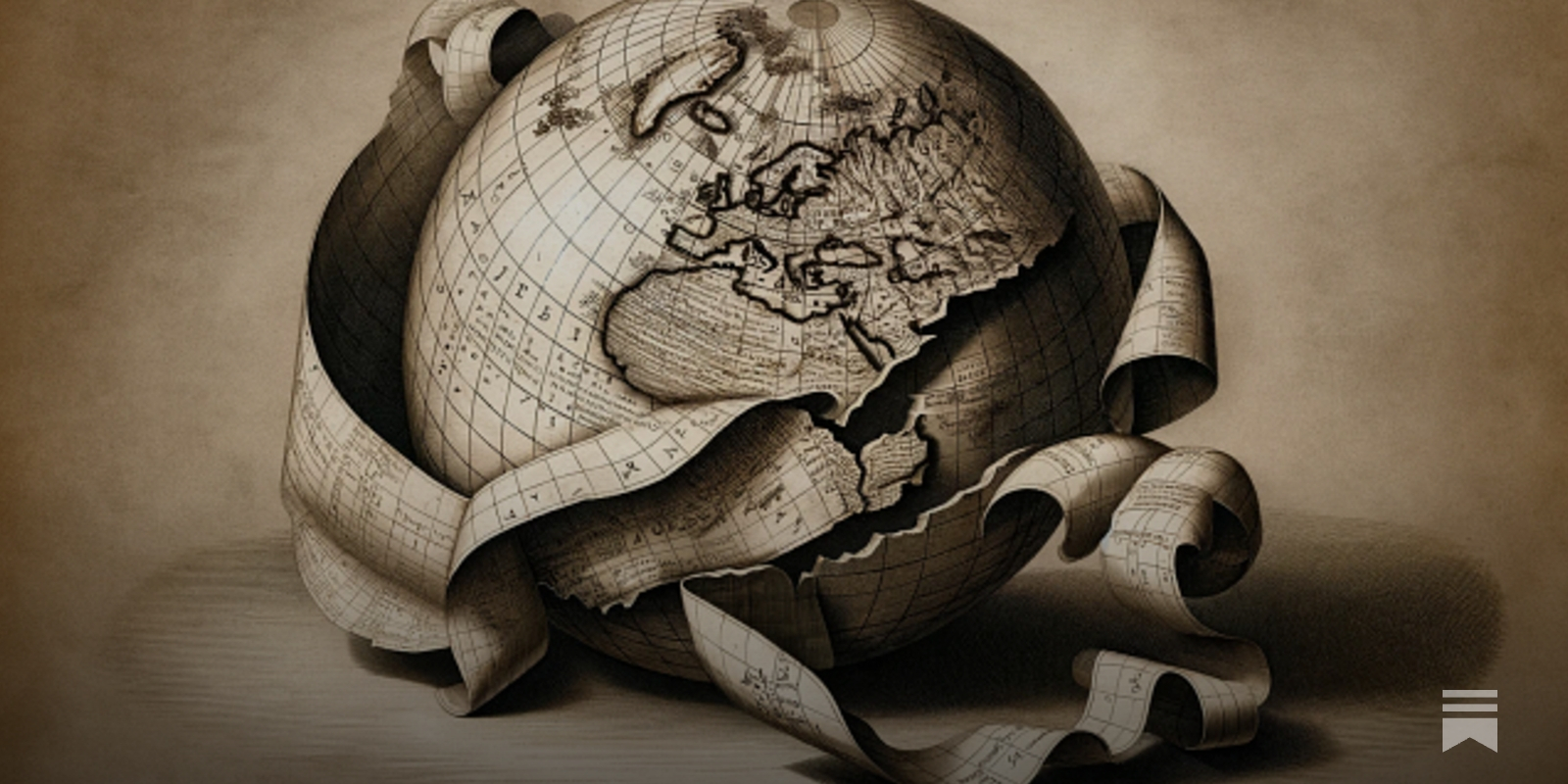
The Map is Eating the Territory: The Political Economy of AI
It's all driven by who gets what
The rise of AI sovereignty: Authoritarian technological imaginaries as a form of reflexive control
Recent literature increasingly examines generative artificial intelligence's (AI's) role in disinformation and propaganda as a key driver of digital authoritarianism. Yet, less attention has been paid to how authoritarian regimes may influence the global governance of AI itself. This essay addresses this gap by analysing the impact of authoritarian technological imaginaries, focusing on the rise of ‘AI sovereignty’ as a central concept shaping global AI governance. It adopts a conceptual framework that combines the notion of imaginaries with the concept of reflexive control, originating in Soviet strategic thought and referring to influencing an adversary's perceptions so they act in ways aligned with the initiator's goals, to study authoritarian diffusion and the global politics of AI. Through an examination of public statements by the Russian president, the study shows how Russia constructs an AI imaginary that extends Cold War logics of nuclear competition into the digital era, framing AI as a matter of security and survival rather than ethics or rights. Drawing on the Russian case, the analysis identifies three frames that underpin the authoritarian AI imaginary: AI as a tool for power and domination; Western AI as a cultural threat; and AI as a guarantor of state efficiency. The article argues that such imaginaries shape the cognitive environment of global policy debates, promoting sovereignty-centred and securitised approaches to AI governance. It suggests that recognising the role of reflexive control in authoritarian diffusion helps distinguish legitimate Global South concerns from authoritarian influence and supports more inclusive and resilient models of AI governance.
The Next Great Divergence: How AI could split the world again if we don’t intervene | Brookings
Michael Muthukrishna and Philip Schellekens argue that AI, like past general-purpose technologies, could drive a new global divergence unless deliberate action ensures its benefits are broadly shared rather than geographically concentrated.

Imperial State Capitalism
A new geopolitics is shaping the development of AI and the energy transition.
AI is Maybe Sometimes Better than Nothing
Reporting on that World Bank Nigeria paper