


We offer Cultural Computing as a method for cultural translation that uses scientific methods to represent the essential aspects of culture. Including images that heretofore have not been the focus of computing, such as images of Eastern thought and Buddhism, and the Sansui paintings, poetry and kimono that evoke these images, we projected the style of communication developed by Zen schools over hundreds of years into a world for the user to explore – an exotic Eastern Sansui world. Through encounters with Zen Koans and haiku poetry, the user is constantly and sharply forced to confirm the whereabouts of his or her self-consciousness. However, there is no "right answer" to be found anywhere.
Computational hermeneutics: evaluating generative AI as a cultural technology
Generative AI (GenAI) systems are increasingly recognized as cultural technologies, yet current evaluation frameworks often treat culture as a variable to be measured rather than fundamental to the system's operation. Drawing on hermeneutic theory from the humanities, we argue that GenAI systems function as "context machines" that must inherently address three interpretive challenges: situatedness (meaning only emerges in context), plurality (multiple valid interpretations coexist), and ambiguity (interpretations naturally conflict). We present computational hermeneutics as an emerging framework offering an interpretive account of what GenAI systems do, and how they might do it better. We offer three principles for hermeneutic evaluation—that benchmarks should be iterative, not one-off; include people, not just machines; and measure cultural context, not just model output. This perspective offers a nascent paradigm for designing and evaluating contemporary AI systems: shifting from standardized questions about accuracy to contextual ones about meaning.

Tools for Thought as Cultural Practices, not Computational Objects
On seeing tools for thought through a historical and anthropological lens
Naqoyqatsi
Godfrey Reggio takes on the digital revolution in the final chapter of his Qatsi Trilogy. Through a variety of cinematic techniques, including slow motion, time-lapse, computer- generated imagery, and found footage, the film tells of a world that has completed the transition from the natural to the artificial. Globalization has been accomplished, all of our interactions are technologically mediated, and all images are manipulated. From this (virtual) reality, Reggio sculpts a frenetic yet ruminative portrait of an era in which the cacophony of “communication” has rendered humankind effectively postlanguage.

how do you a call a person who is interacting with digital media ?
We use tools from computer science, media design, and digital art to study massive cultural data sets. Directed by Dr. Lev Manovich.
Indigitalization: Indigenous Computing Theory - Jon Corbett
LURK
Welcome to LURK, we host, facilitate and archive discussions around net- and computational culture and politics, proto- and post-free culture practices, (experimental) (sound) (new media) (software) art, and things like that…
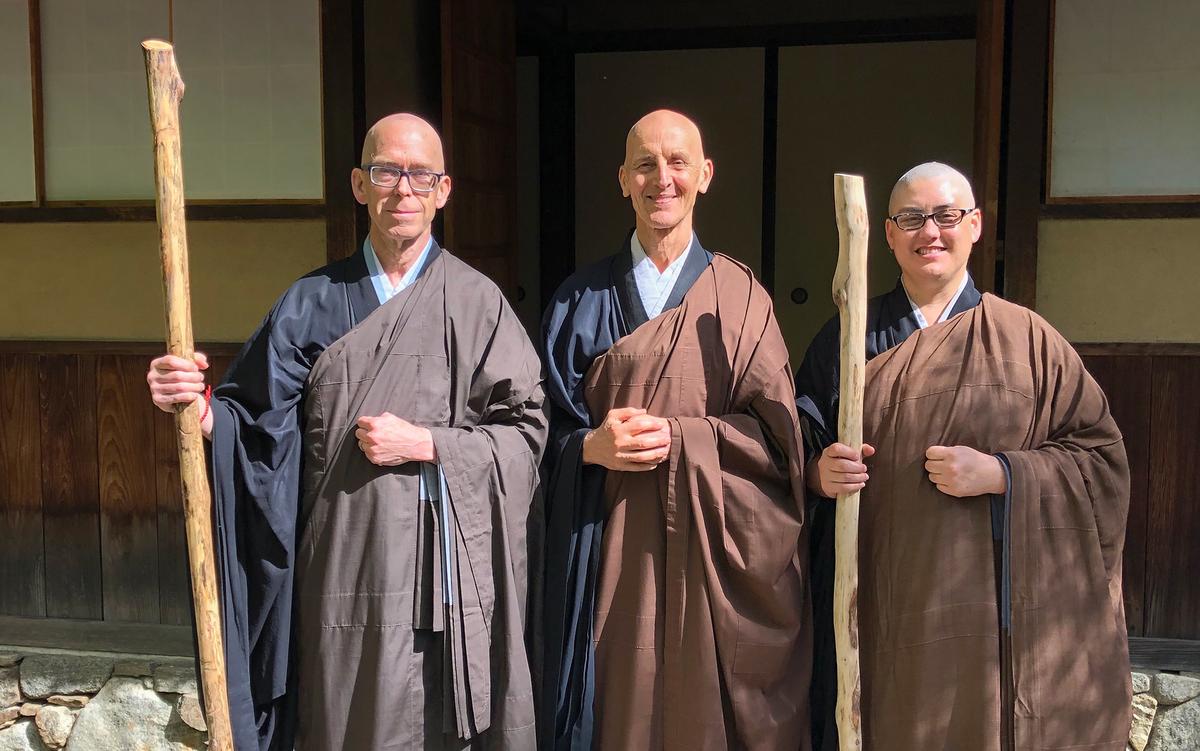
Let me tell you about my journey through 35 years of Zen practice | Aeon Essays
Growing up in countercultural California, ‘enlightenment’ had real glamour. But decades of practice have changed my mind
The best free cultural & educational media on the web - Open Culture
Your guide to FREE educational media. Find thousands of free online courses, audio books, textbooks, eBooks, language lessons, movies and more.


The truth 🤣
26K votes, 57 comments. 36M subscribers in the memes community. Memes! A way of describing cultural information being shared. An element of a culture…
Cognitive Debt and ChatGPT
Maggie's digital garden filled with visual essays on programming, design, and anthropology
Creative Computing Group by @tgoerke.bsky.social — Grain
Let's start a group at CODIP to explore creative computing. Let's not start by defining creativity nor computing. It would be a trap. Let's collect artifacts instead. Images, text, thoughts,...
Surely you guys relate to this?
8K votes, 97 comments. 36M subscribers in the memes community. Memes! A way of describing cultural information being shared. An element of a culture…
How Text-to-Image AI Works, What AI Image Generators Can Create
Overview Text prompts can be transformed into photographs, artwork, concepts, characters and creative visuals.Many modern generators progressively remove noise

