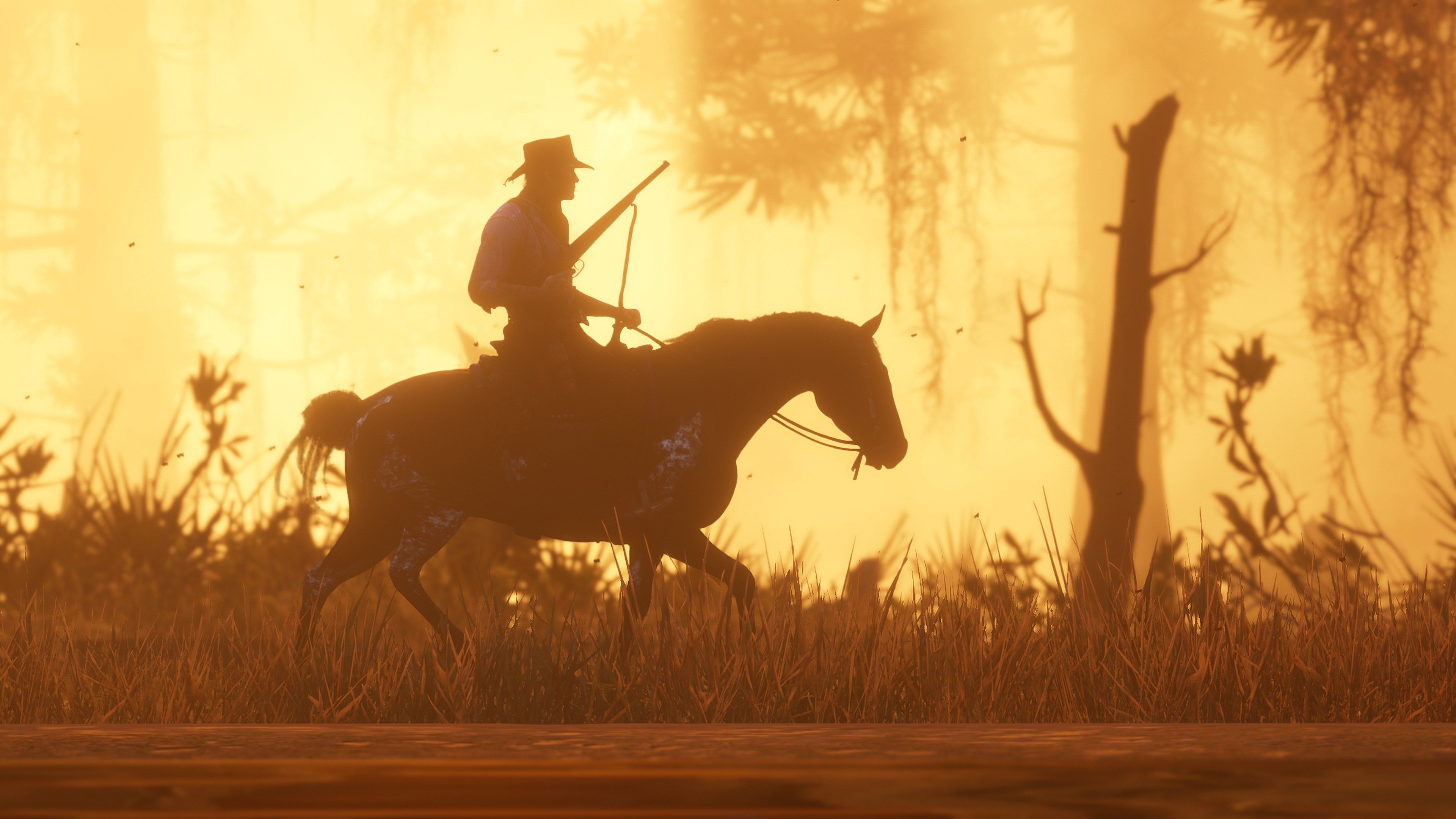
Rockstar's Red Dead Redemption 2 pulls more from modern westerns than classics, toying with instead of confronting tropes and problems with the genre.
'Red Dead Redemption 2' Is the Only World in Which I've Ever Felt Guilt
The real skill of the AAA gaming blockbuster is its ability to make you feel bad.

Why Do Movies Feel So Different Now?
» The Last Adventures of Legend The Digital Antiquarian
The early days were the best. We had successes, we had fun, and we had a good business model. As the industry changed, everything became more complicated and harder.

How ‘Baldur’s Gate’ Saved the Computer RPG
The genre-stretching game broke new narrative, technical, and gameplay ground and established the identity of one of the past two decades’ most storied video game studios

Blue Rage, Black Redemption: A Memoir
A gripping tale of personal revolution by a man who wen…

» The Goldilocks Principle in Fantasy Strategy The Digital Antiquarian
Although I’ve played way too many games for way too many hours over the way too many years I’ve been writing these histories, it’s safe to say that I haven’t spent more time with any one game than Heroes of Might and Magic II. Partly this was down to circumstance. Heroes II showed up on the syllabus just as I was embarking on one of my periodic digressions, a long series about international communications networks and how they culminated in the World Wide Web. Without the need to write in detail about a new game every fortnight, I was freer than I usually am just to play whatever I felt like playing. And what I felt like playing at that time was Heroes II. I beat every single Heroes II scenario in my Heroes of Might and Magic Millennium Edition set, some alone, some in multiplayer mode with my wife Dorte, who became almost as obsessed as I was. I must confess that my usual rule of no more than two hours of gaming per day was strained at times, shattered completely at others. But we were still in the midst of the pandemic then and there wasn’t much else for me to do with my free time, so I figured it was okay to set self-discipline aside for a while. Maybe it was even good experiential research, in that it re-familiarized me with that strange hungover feeling you get when you’ve spent hours and hours peering into an imaginary world behind your monitor screen — like butter that’s been scraped over too much bread, to steal a phrase from Tolkien. (For what it’s worth, I’ve found that the best cure for this condition is the same as that for a conventional hangover: a long walk in nature.)
TV Tropes
TV Tropes, the all-devouring pop-culture wiki, catalogs and cross-references recurrent plot devices, archetypes, and tropes in all forms of media.

Build, gather, brawl, repeat: The history of real-time strategy games
As we wait on a new Age of Empires this fall, let's revisit the RTS genre's highs and lows.
The Strange and Dangerous Right-Wing Freakout Over Ancient Apocalypse
How a Netflix series about the hunt for the lost city of Atlantis became yet another front in the culture war—and the latest example of elite conservatives going weird.

» The CRPG Renaissance, Part 2: Might and Magic VI The Digital Antiquarian
From the 1980s until well into the 1990s, the CRPG genre was typically dumped into the same broad bucket as the adventure game by the gaming press. Indeed, as late as the turn of the millennium, Computer Gaming World magazine had an “Adventure/RPG” department, complete with regular columnists whose beat encompassed both genres. Looking back, this lack of distinction might strike us as odd: CRPGs, which are to a greater or lesser extent simulations of an imaginary world with a considerable degree of emergent behavior, are far more procedurally intensive than traditional adventure games and provide a very different experience.
Nothing Beside Remains — Big Echo
There’s a line in an old Martin Petto review of Zachary Jernigan’s No Return that prompted me to take a long hard look at my understanding of the recent history of genre literature. Having explained that Jernigan’s book is not actually about the brutal face-punching depicted on its cover, Petto observes that Jernigan uses so many tropes from so many different genres that attempting to locate these tropes within a particular literary tradition is effectively impossible:
Does modernisation erase cultural difference – or amplify it? | Psyche Ideas
We understandably fear the flattening effect of modernity. But global data from China to Peru tells a hopeful story

Horizon: Forbidden West -- Anatomy of a Crowd Pleaser

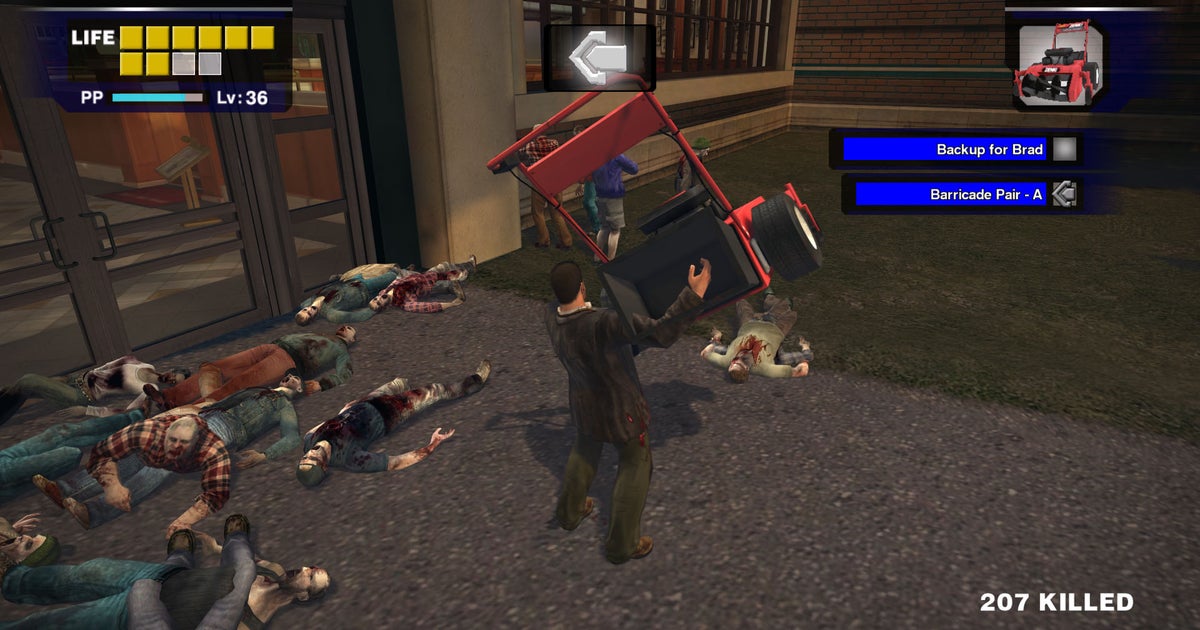
20 years ago, Dead Rising showed a different path for open worlds, and more games should pinch its ideas
Dead Rising showed developers there were different ways of doing open worlds. 20 years since its release, we go back and explore what we could of had.