


A new study by Caltech and UC Riverside uncovers the hidden toll that AI exacts on health throughout its lifecycle, from chip manufacturing to data center operation.
Health-Informed Computing: Estimating and Addressing the Public Health Impact of Data Centers
The surging demand for artificial intelligence (AI) has led to a rapid expansion of energy-intensive data centers, contributing to criteria air pollutant emissions and raising public health concerns that have received comparatively limited attention in sustainability assessments. This paper introduces a principled methodology to model air pollutant emissions for data centers and estimate the public health impacts. Our findings reveal that the growing demand for AI and computing technologies is projected to push the total annual public health burden of U.S. data centers up to more than $20 billion in 2028. Although national-level impacts remain modest, data center health costs are unevenly distributed: in the most affected counties, the estimated per-household health burden can reach about seven times the national average. Next, we propose a health-informed computing framework that explicitly incorporates public health impacts into data center resource management across space and time, mitigating public health costs while supporting environmental sustainability. More broadly, we recommend extended energy reporting to include public health impact of data centers and paying attention to all impacted communities.

Health-Informed Computing: Estimating and Addressing the Public Health Impact of Data Centers
The surging demand for artificial intelligence (AI) has led to a rapid expansion of energy-intensive data centers, contributing to criteria air pollutant emissions and raising public health concerns that have received comparatively limited attention in sustainability assessments. This paper introduces a principled methodology to model air pollutant emissions for data centers and estimate the public health impacts. Our findings reveal that the growing demand for AI and computing technologies is projected to push the total annual public health burden of U.S. data centers up to more than $20 billion in 2028. Although national-level impacts remain modest, data center health costs are unevenly distributed: in the most affected counties, the estimated per-household health burden can reach about seven times the national average. Next, we propose a health-informed computing framework that explicitly incorporates public health impacts into data center resource management across space and time, mitigating public health costs while supporting environmental sustainability. More broadly, we recommend extended energy reporting to include public health impact of data centers and paying attention to all impacted communities.
Environmental Cost of Artificial Intelligence: Carbon, Water, and Land Footprints
AI’s rapid growth drives huge energy, water, and land use, raising environmental and equity challenges across its global infrastructure.
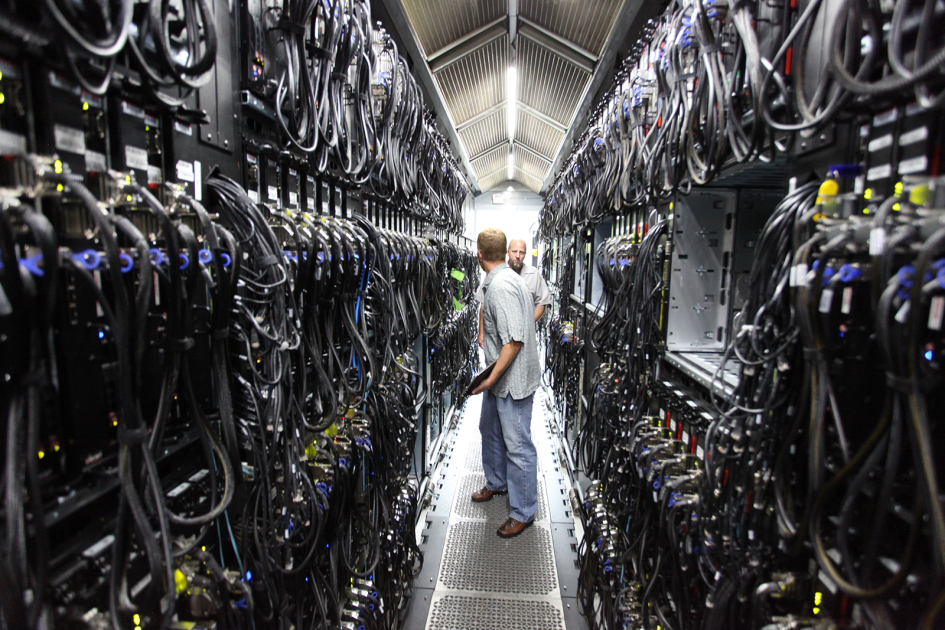
Environmental Cost of Artificial Intelligence: Carbon, Water, and Land Footprints
AI’s rapid growth drives huge energy, water, and land use, raising environmental and equity challenges across its global infrastructure.
AI boom has caused same CO2 emissions in 2025 as New York City, report claims
Study author says tech companies are reaping benefits of artificial intelligence age but society is left to pay cost

AI’s climate impact is much smaller than many feared
New findings challenge the widespread belief that AI is an environmental villain. By analyzing U.S. economic data and AI usage across industries, researchers discovered that AI’s energy consumption—while significant locally—barely registers at national or global scales. Even more surprising, AI could help accelerate green technologies rather than hinder them.

AI’s energy usage is less than previously thought | Waterloo News
Contrary to popular belief, new research finds that the use of artificial intelligence has a minimal effect on global greenhouse gas emissions and may actually benefit the environment and the
How Americans View AI and Its Impact on Human Abilities, Society
Americans are worried about using AI more in daily life, seeing harm to human creativity and relationships. But they’re open to AI use in weather forecasting, medicine and other data-heavy tasks.

What is AI poisoning? A computer scientist explains
Despite the hype surrounding AI, the technology is far more fragile than it might appear.

What is AI poisoning? A computer scientist explains
Despite the hype surrounding AI, the technology is far more fragile than it might appear.
America's Digital Demand Threatens Black Communities with More Pollution
The collective costs of artificial intelligence and data centers are disproportionately harming Black households.

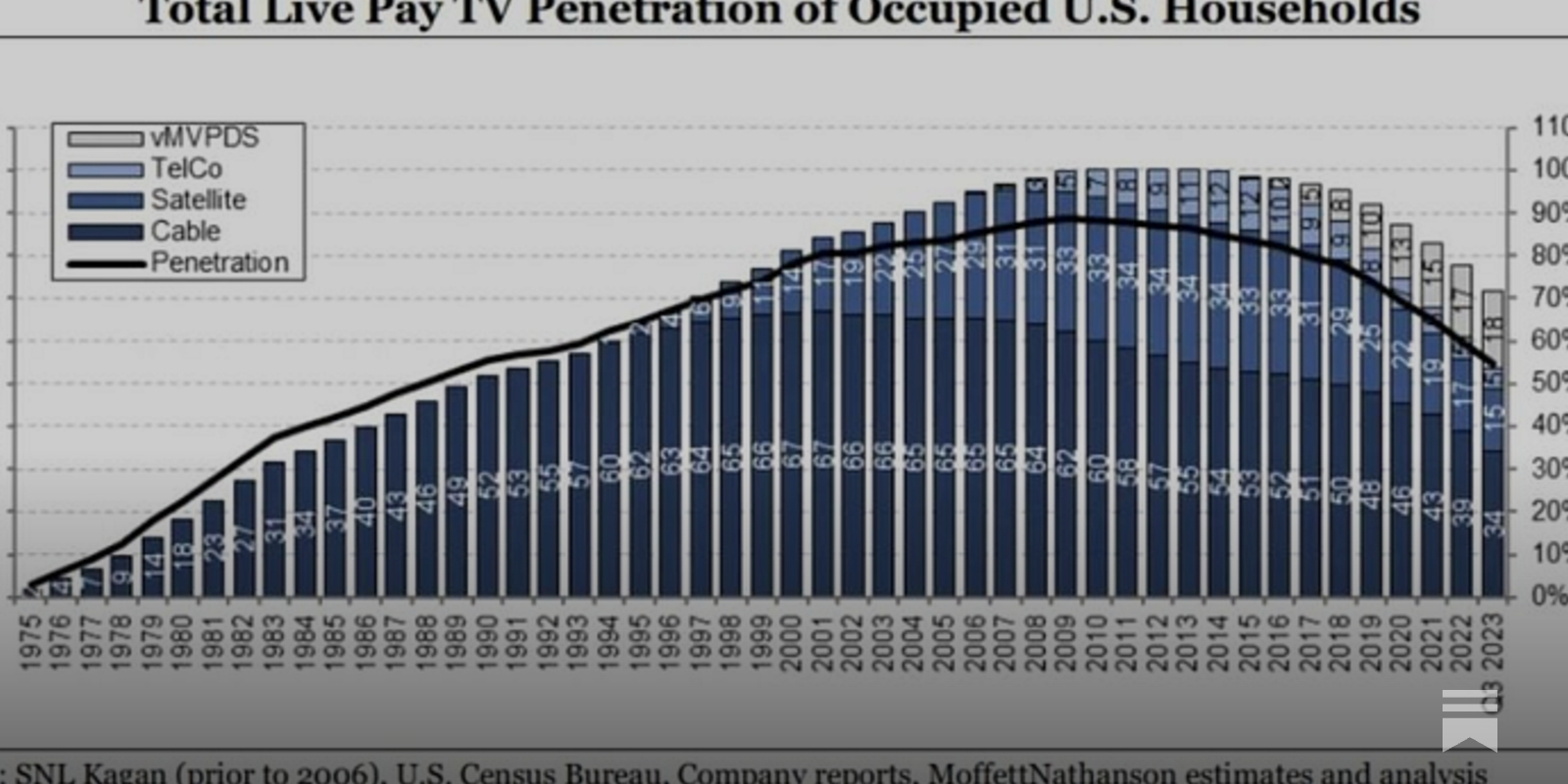
AI is Creating Peak Software, Media is the Best Analogy
Let's learn more about the world's most important manufactured product. Meaningful insight, timely analysis, and an occasional investment idea.
Inside the AI Index: 12 Takeaways from the 2026 Report | Stanford HAI
The annual report reveals a field hitting breakthrough capabilities while raising urgent questions about environmental costs, transparency, and who benefits from the technology.

How much of a problem is AI’s water use?
AI’s water footprint is growing, but location and cooling technology make a difference.

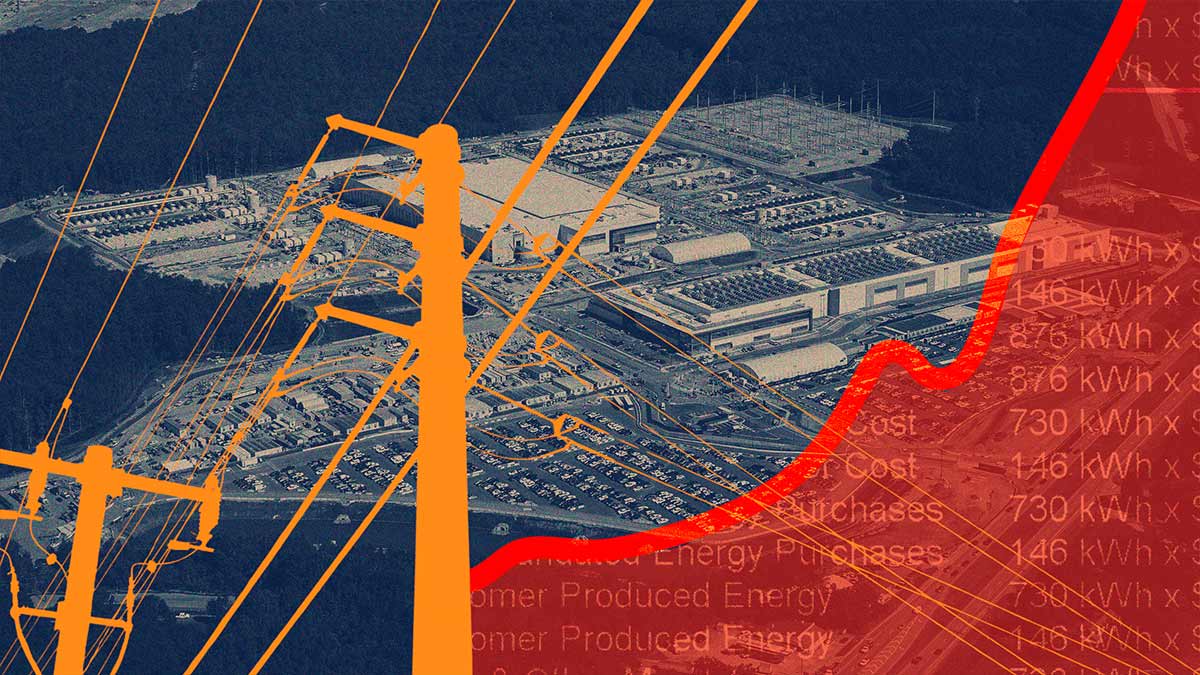
AI Data Centers: Big Tech's Impact on Electric Bills, Water, and More via @ConsumerReports
Massive data centers are gobbling up resources across the United States. The boom has just begun—and you may be paying for it.
The AI Engineering Report 2026: The AI Acceleration Whiplash - Ten Takeaways
What two years of telemetry data from 22,000 developers reveals about AI's real impact on developer productivity, code quality, and business risk in 2026.
