DAVID DEMING, CHRISTOPHER ONG, LAWRENCE H. SUMMERS This paper explores past episodes of technological disruption in the US labor market, with the goal of learning lessons about the likely future impact of artificial intelligence (AI). The authors measure changes in the structure of the US labor market going back over a century in two ways. ...
Will AI Destroy the Economy? (According to Economists: No.) | AI Reality Check | Cal Newport
Nathan Witkin on Twitter / X
Does anyone disagree that pretty much every piece of empirical evidence we have about actually existing AI points toward a labor-augmenting technology with a more-or-less ordinary risk profile (no worse than cars, guns, nuclear power, social media, etc.)?On the labor front, the…— Nathan Witkin (@NateWitkin) October 5, 2026
Labor Market Adaptation | Windfall Policy Atlas
How can workers, firms, and education systems adapt to an AI-transformed economy?

Tech companies are cutting jobs and betting on AI. The payoff is far from guaranteed
AI experts say we’re living in an experiment that may fundamentally change the model of work

Labor market impacts of AI: A new measure
We introduce "observed exposure," combining LLM capability with real Claude usage data, and share early evidence on employment effects.
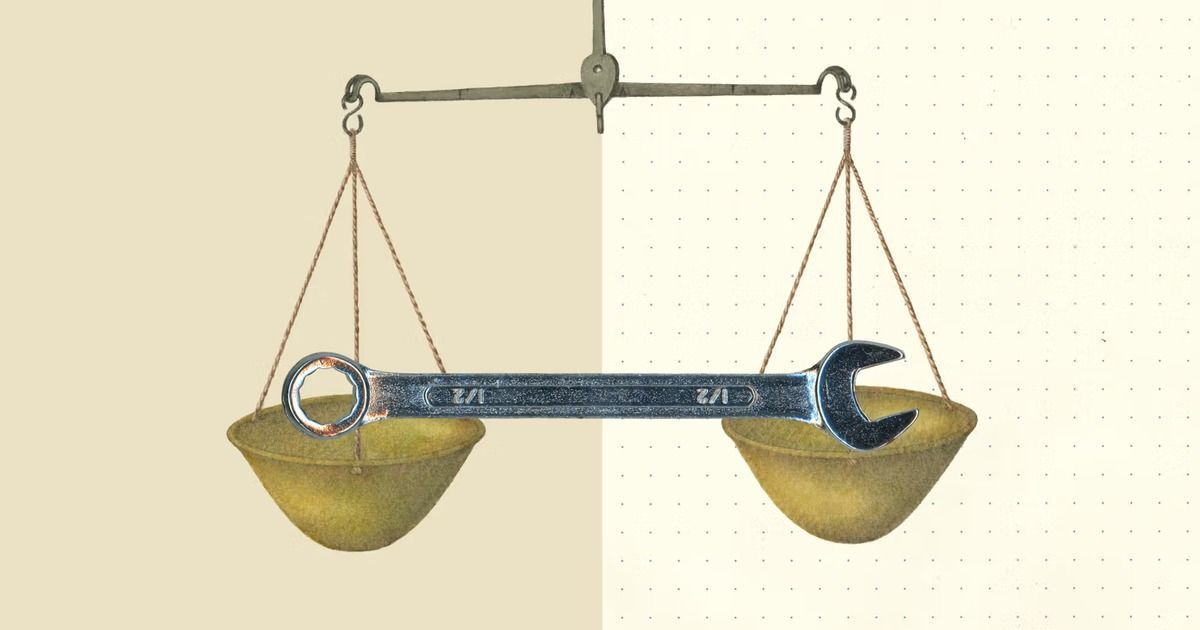
The real AI economy is being built by ordinary people
Far from Silicon Valley pitch decks, workers across Asia and Africa are bypassing tech industry hype to quietly rewire their daily jobs — one prompt, workflow, and local problem at a time.

The AI spending boom could have real consequences for the U.S. economy
As revisions to U.S. jobs numbers call into question economic growth, Big Tech is becoming an even more important part of American prosperity.

Mind the Gap: AI Adoption in Europe and the U.S.
This paper combines international evidence from worker and firm surveys conducted in 2025 and 2026 to document large gaps in AI adoption, both between the US and Europe and across European countries. Cross-country differences in worker demographics and firm composition account for an important share of these gaps. AI adoption, within and across countries, is also closely linked to firm personnel management practices and whether firms actively encourage AI use by workers. Micro-level evidence suggests that AI generates meaningful time savings for many workers. At the macro level, in recent years industries with higher AI adoption rates have experienced faster productivity growth. While we do not establish causality, this relationship is statistically significant and similar in magnitude in Europe and the US. We do not find clear evidence that industry-level AI adoption is associated with employment changes. We discuss limitations of existing data and outline priorities for future data collection to better assess the productivity and labor market effects of AI.

The Rise of Industrial AI in America: Microfoundations of the Productivity J-curve(s)
Early AI adoption in U.S. manufacturing produced a J-curve pattern of short term productivity loss followed by medium term growth – though quite unevenly.

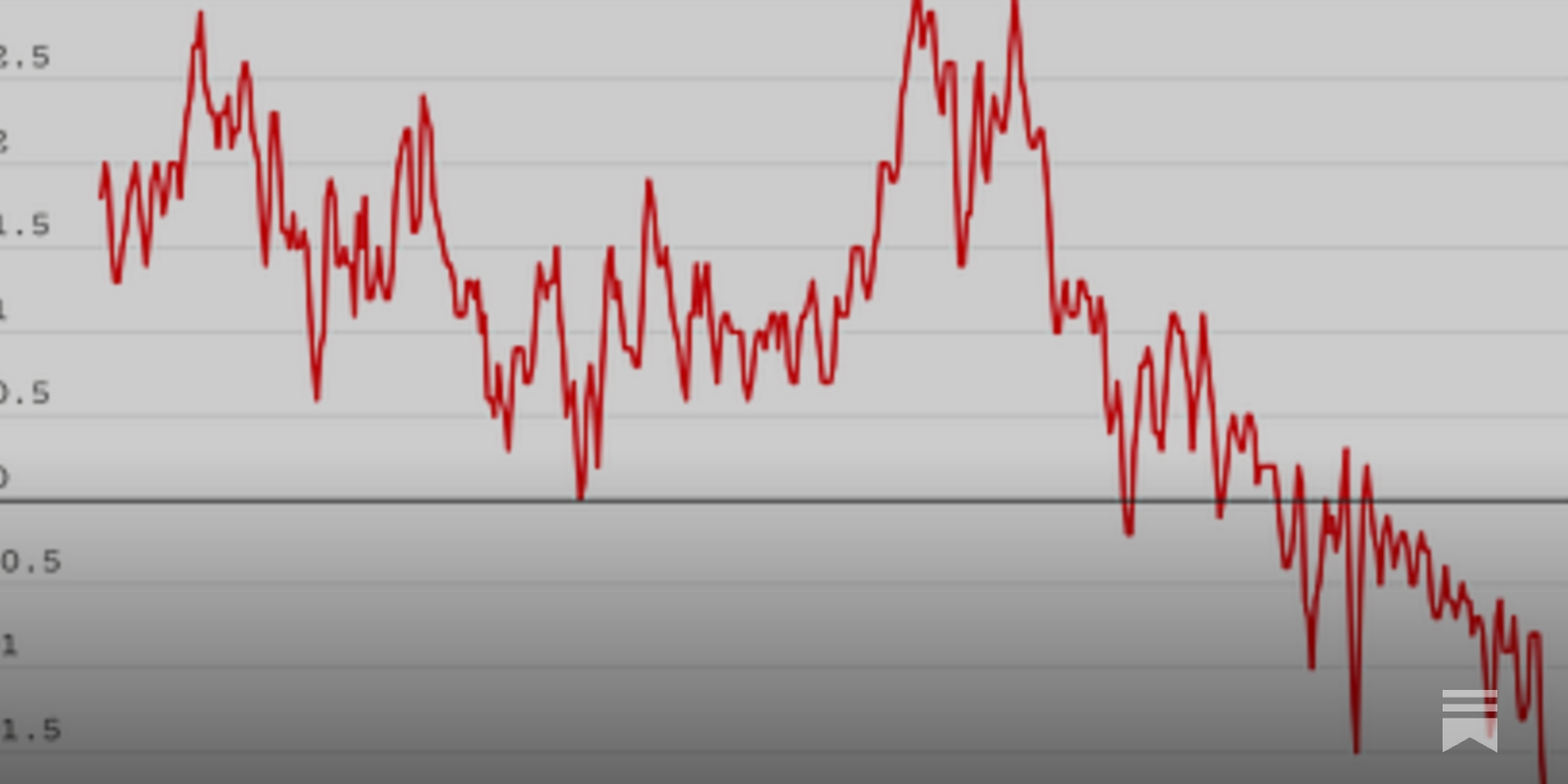
AI Was Supposed To Take Your Job. Why Hasn't It?
Companies Are Being Torn Apart by AI "Workslop," Stanford Research Finds
Not only is AI hampering productivity, but it's also blowing up collaboration and souring employee dynamics.

Companies rushed in on AI. Now some are pulling back
Rapid AI adoption left workers cleaning up a flood of errors and low-quality work

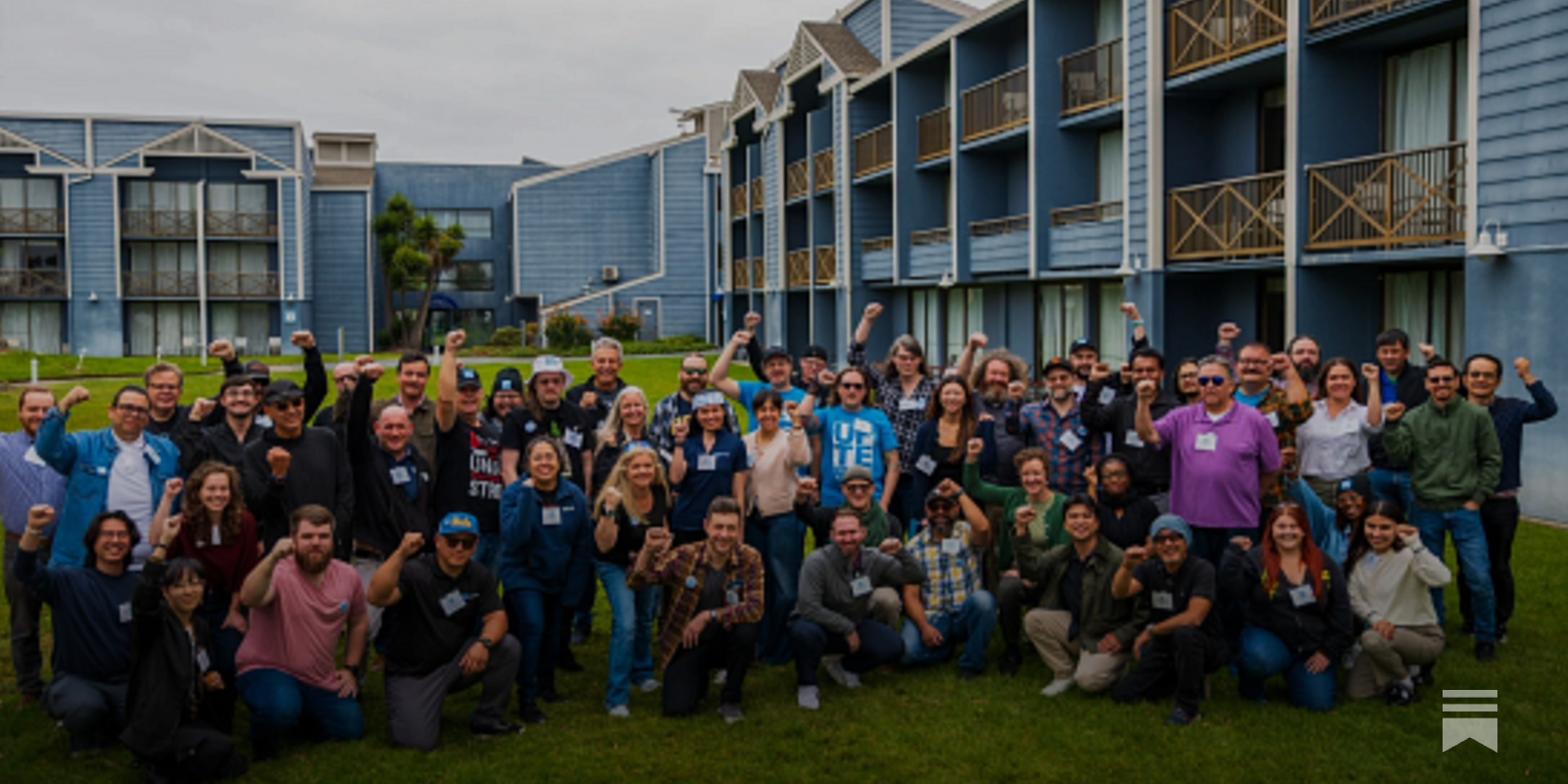
They just formed the biggest tech worker union in the US. They plan to rein in AI and curb layoffs
"Who AI benefits and who it immiserates often is based on who gets to decide how it’s used. We know how tech is used on the day to day. We should be at the table as well."
Artificial intelligence and future of capitalism from a Marxist, and a neoclassical, point of view
What would be the likely effects of massive introduction of artificial intelligence in the economy, from the Marxist point of view?
Companies Are Blaming AI for Layoffs. The Real Reason Will Piss You Off.
180,000 tech workers lost their jobs in 2025. Companies say it’s because of AI. Oxford researchers call BS.