New data show the peril and promise of the technology
The risks of AI in schools outweigh the benefits, report says
A new report warns that AI poses a serious threat to children's cognitive development and emotional well-being.

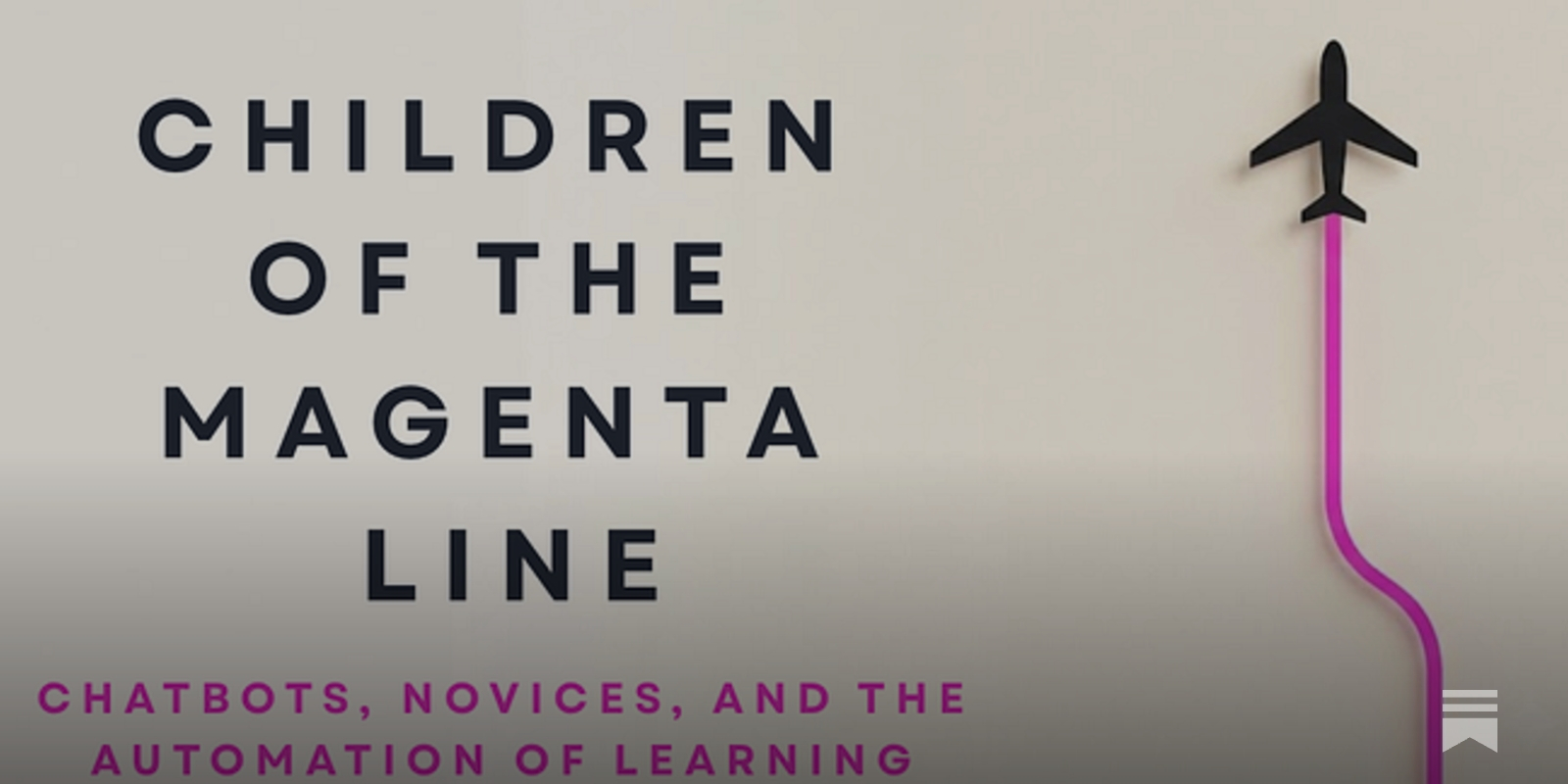
Children of the Magenta Line
Why minimally guided AI does not work. Chatbots, novices, the automation of learning and the case for Alpha School
The 50 Percent Problem
Empirical evidence of the educational harm of generative AI
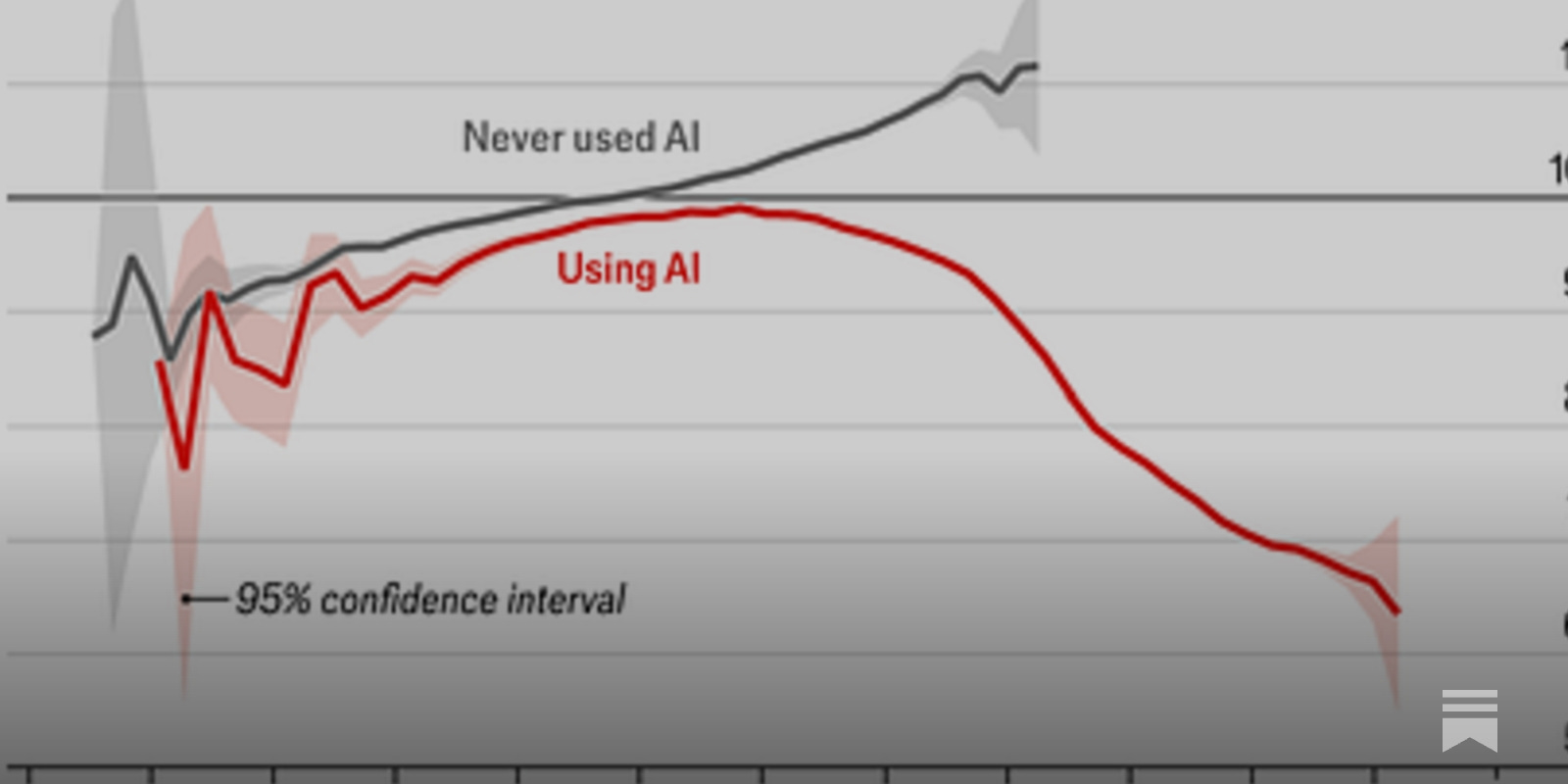
The 50 Percent Problem
Empirical evidence of the educational harm of generative AI
What Parents Need to Know About AI in the Classroom | Stanford HAI
From immersive learning and personalized tutors to lesson plans and grading, AI is everywhere in K-12 education.

‘I hate what AI is doing to the minds and happiness of the young’: Katherine Rundell on the view from the classroom
Education is at a crossroads, argues the author and academic. Should we embrace new technology in the name of efficiency, or is it time to fight back?
Artificial intelligence, cognitive offloading and implications for education
This report investigates a profound new challenge driven by rapidly expanding use of artificial intelligence (AI) in schooling: the risk that students will outsource too much of the cognitive work that is crucial to establishing the knowledge, skill and ‘thinking infrastructure’ that enables both schooling success and lifelong capacity for ongoing learning and understanding.There is a growing body of evidence that using AI can short-circuit the cognitive effort required for sustainable, deep learning, with potentially long-term consequences. This cognitive offloading from human to AI is especially risky for school students (‘novice’ learners who are building foundational knowledge and skills) when they turn to AI as a tempting substitute, not an amplifier, increase their dependency on the tool and lose access to deeper learning and critical thinking capabilities. It also introduces extra equity risks for disadvantaged students.The report reviews the cognitive science behind this concerning shift and the growing evidence of its impact. It also outlines how these harmful effects can be counteracted through specific teaching and learning strategies and effective design of AI education technology, anchored on bolstering the central role of teachers. It includes specific recommendations for policy and teaching and learning strategies.
Adults Lose Skills to AI. Children Never Build Them.
Discussions of cognitive offloading often miss a critical distinction: What AI does to a 45-year-old's brain is categorically different from what it does to a 14-year-old's.

AI Literacy Across the Curriculum
As you have no doubt seen, AI is becoming ubiquitous in our lives and in the technologies we use every day. Generative AI is no longer an experimental tool, but a deployed technology in many of the…

‘My son genuinely believed it was real’: Parents are letting little kids play with AI. Are they wrong?
Some believe AI can spark their child’s imagination through personalized stories and generative images. Scientists are wary of its effect on creativity

Artificial intelligence, cognitive offloading and implications for education
This report investigates the challenge driven by the rapidly expanding use of artificial intelligence (AI) in schooling: the risk that students will outsource too much of the cognitive work that is crucial to establishing knowledge, skill and ‘thinking infrastructure’. The report includes specific recommendations for policy and teaching and learning strategies.
Some Kids Will Never Think AI Is Cool
“I think it should stand for ‘artificial idiot,’” one 9-year-old says. Here’s why kids of all ages are calling AI “disgusting” and “creepy.”

Young adults are leading the way in AI adoption - AP-NORC
Six in 10 adults have ever used AI to search for information. People under 30 are more likely to use AI for a variety of tasks, especially to brainstorm ideas.

Is AI ruining our skills? Early results are in — and they’re not good
Reliance on artificial-intelligence tools degrades the abilities of physicians and software engineers, studies show.

From Crutch to Coach?
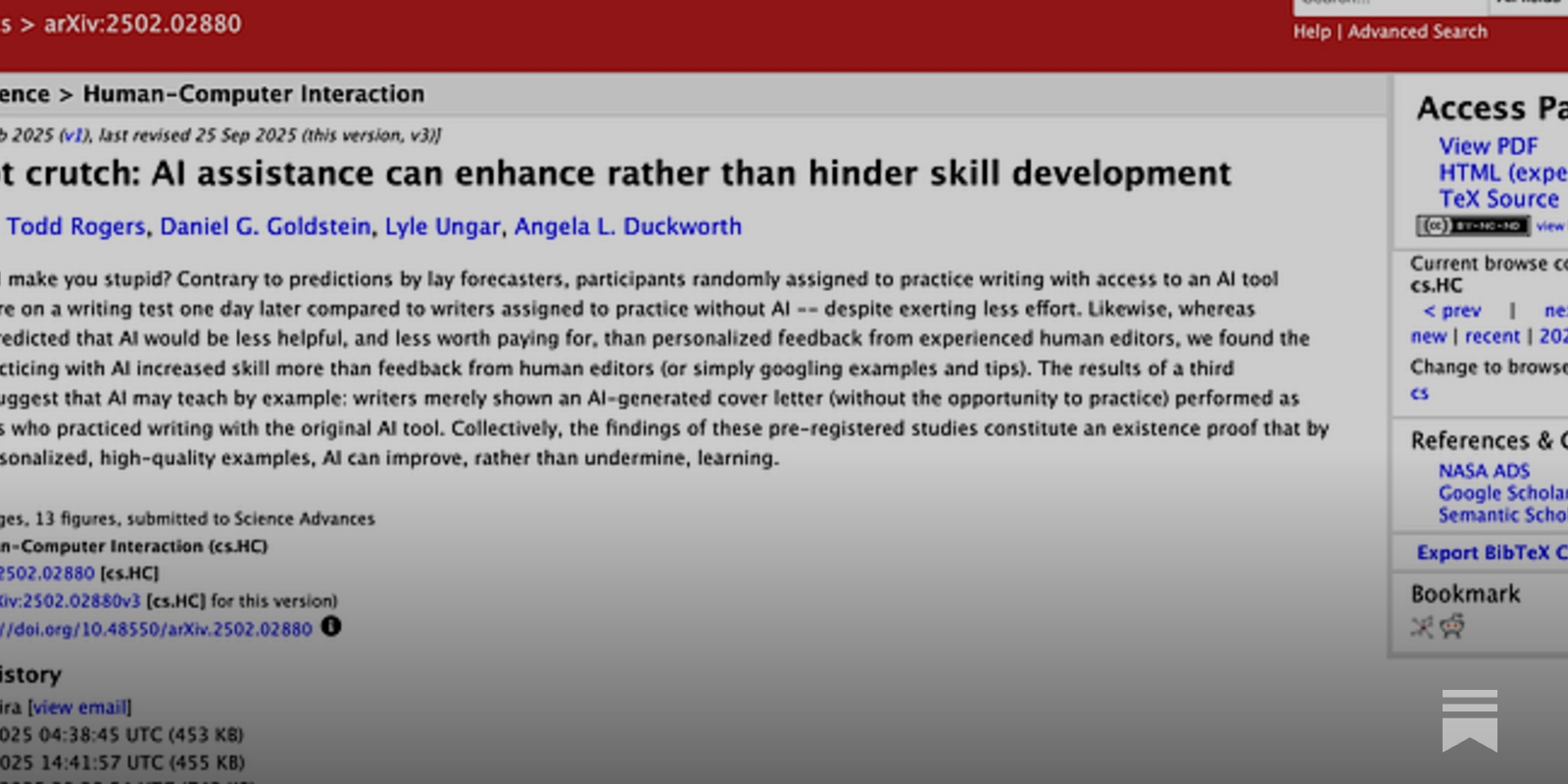
What a new research study tells us about AI's impact on human learning & skills development