China’s moment for climate leadership has arrived
China’s Solar Industry Is in Upheaval—The Effects Will Be Global
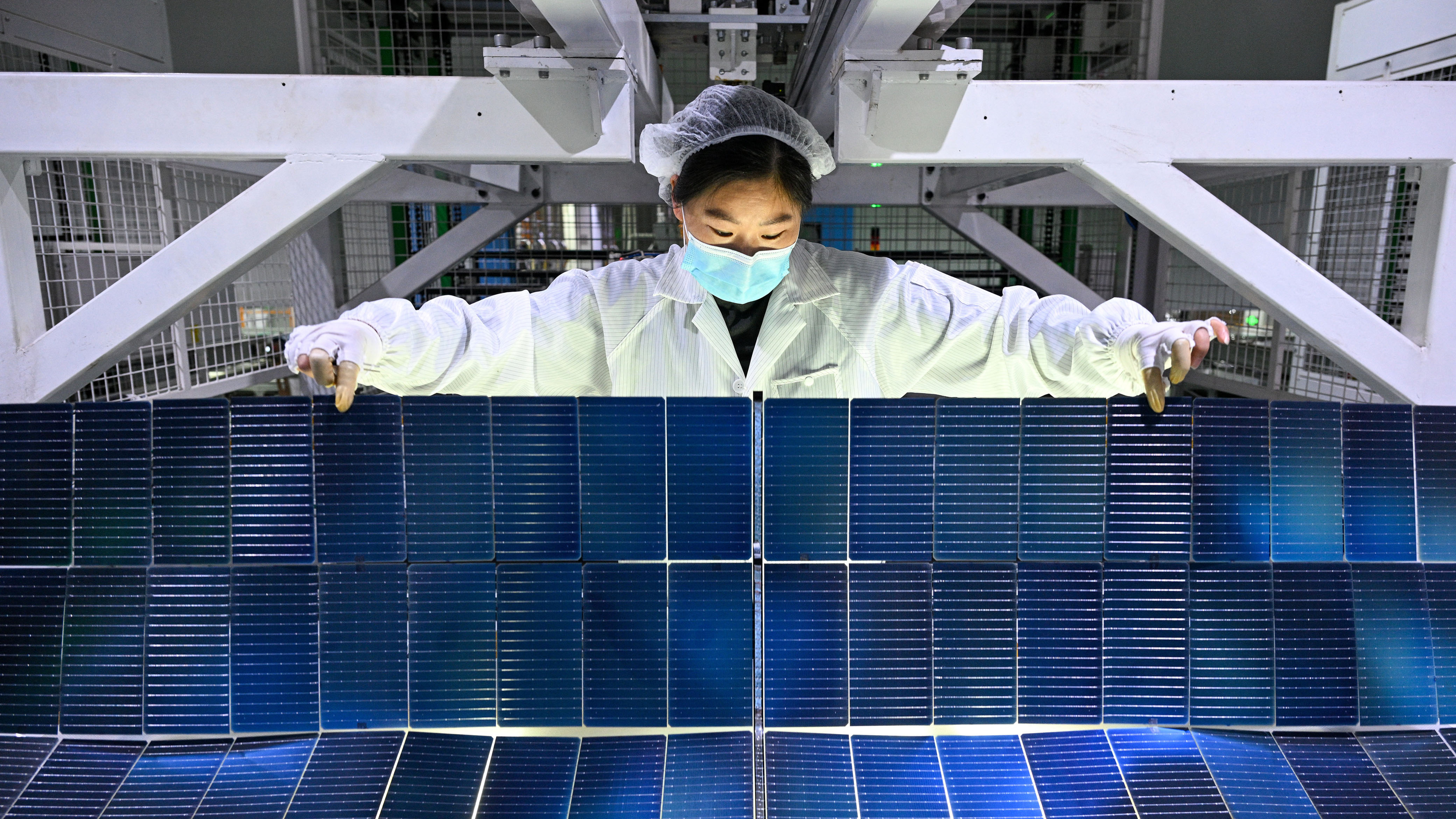
Rather than opening space for rivals, China’s solar industry shakeout is forging a more resilient core — embedding deeper into global value chains, securing a technological lead, and reshaping the industry’s future trajectory to its own long-term advantage.
The geopolitical fight to come over green energy
The struggle for sustainable energy will soon put China, the US and Europe on a geopolitical collision course. But moving away from fossil fuels is a Herculean task, and a greener politics will not transcend tragedy.
China’s bigger, better batteries
It’s the world’s fastest-growing power technology — and Beijing is dominant

Chinese E.V.s Deliver a Message at the Global Climate Summit
The climate-friendly fleet assembled to shuttle delegations to the gathering in Brazil sent a clear signal: China is making inroads in Latin America.

China’s Shift to Clean Energy Is Saving the Paris Climate Accord
Beijing’s massive manufacturing investments have driven the costs of clean energy down.

How Xi sparked China’s electricity revolution
Beijing’s aggressive pursuit of energy self-sufficiency could give it the upper hand in the trade war with the US

China Is The World's First Electrostate - CleanTechnica
Carbon emissions in China fell slightly int he first quarter of 2025 as more renewable energy and storage came available.

The Future, Made in China
Beijing is competing with the U.S. for tech supremacy. Who wins will have huge political implications.

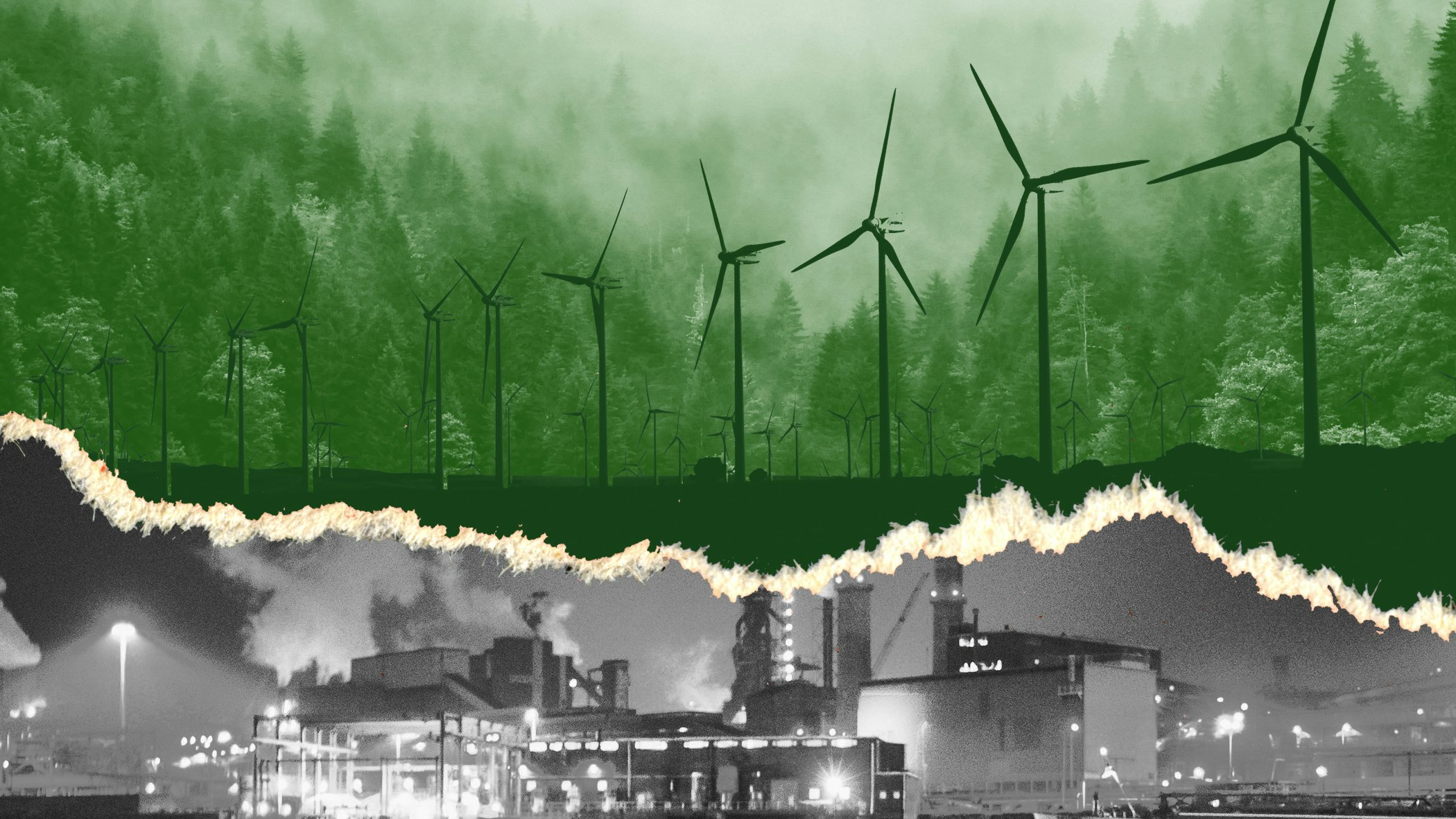
The New Geopolitics Of The Green Transition
The only path forward for tackling the climate crisis hinges on cooperative industrial strategies to coordinate clean energy investment and infrastructure development.
Why China and Europe should collaborate to ‘defossilize’ the world’s carbon
The world needs non-fossil sources of carbon. It’s a no-brainer for nations working towards this goal to join forces.

Le paradoxe de la mondialisation de la Chine
Traduction française du billet de blog "China’s globalisation paradox. How can China dominate abroad while becoming less export-dependent?" de Richard

On the relevance of post-growth in China
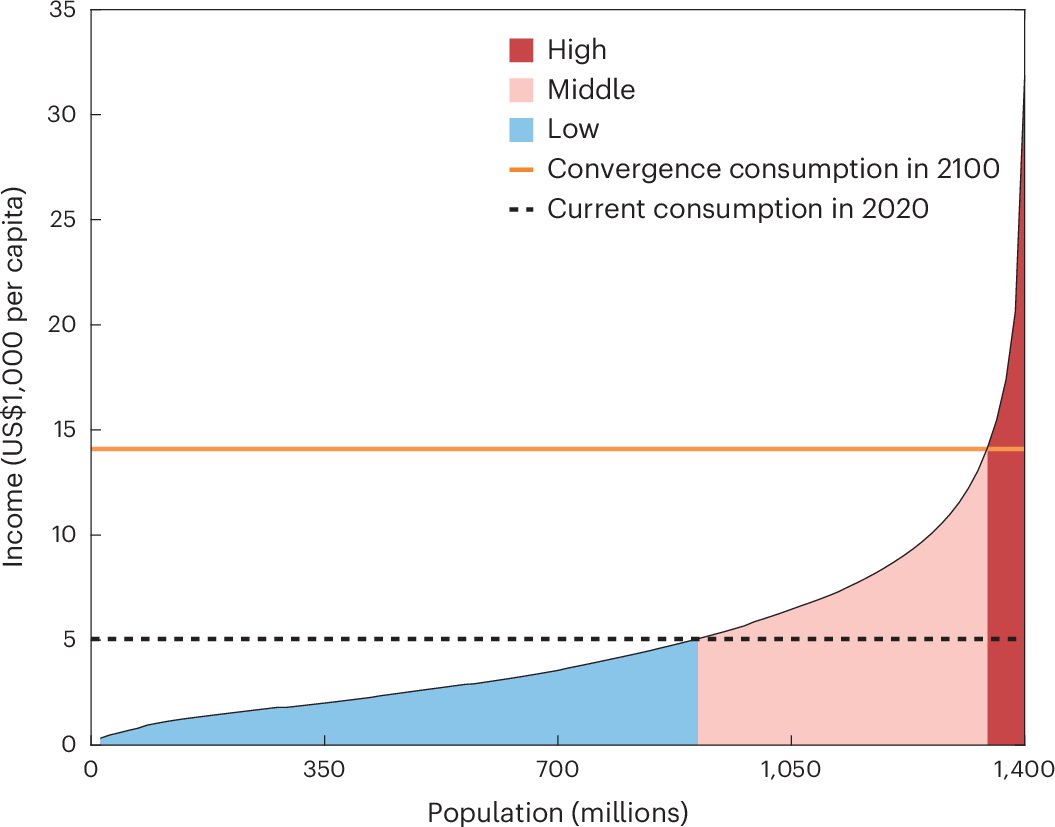
Post-growth refers to approaches prioritizing human well-being and ecological sustainability over gross domestic product expansion as a primary objective of economic policy. While it is widely discussed in the global north and generally targeted at high-income countries, its relevance to China remains underexplored and largely absent from academic discourse. This Perspective discusses China’s position in a possible global post-growth transition and explores convergence and difference between post-growth principles and development priorities in China. We consider how China’s concepts of ‘high-quality development’ and ‘ecological civilization’ could integrate post-growth principles, and vice versa. Understanding China’s context is crucial for a collaborative, effective approach to sustainability and global equity.
China’s $143 billion push to dominate the global EV industry
After years of investing in Europe, Chinese EV and battery firms are turning to Asia, Africa, and Latin America

China Opens World’s First Wind-Powered Underwater Data Center
With an initial capacity of 24 megawatts, the innovative data center uses seawater as a natural cooling system.

Climate crisis on track to destroy capitalism, warns top insurer
Action urgently needed to save the conditions under which markets – and civilisation itself – can operate, says senior Allianz figure