

The World Wide Web Consortium (W3C), the nonprofit body that maintains the Web's core standards, made a terrible mistake in 2013: they decided to add DRM—the digital locks that train your computer to
‘Doom Loop’: OpenAI and Microsoft Admits LLMs Are Destroying the Web and Built on Theft
"Millions of people around the world will soon consider large models ‘hoovering up’ all their work to be an astonishing theft of unprecedented proportions."
Tim Berners-Lee just gave us an opening to stop DRM in Web standards | Defective by Design
This week, the chief arbiter of Web standards, Tim Berners-Lee, decided not to exercise his power to extend the development timeline for the Encrypted Media Extensions (EME) Web technology standard. The EME standardization effort, sponsored by streaming giants like Google and Netflix, aims to make it cheaper and more efficient to impose Digital Restrictions Management (DRM) systems on Web users. The streaming companies' representatives within the World Wide Web Consortium (W3C) were unable to finish EME within the time allotted by the W3C, and had asked Berners-Lee for an extension through next year.
How to Fix the Web | Brave
The Web is always in trouble for some reason or other. I remember when Microsoft came after Netscape and threatened to lock Web standards into IE. Only the Web is so big, with such reach to billions of users, that no one owns it. This means it will always be contested ground.
12 November 2025 | Isolated Web Apps - Current state and future direction | Calendar
The World Wide Web Consortium (W3C) is an international community where Member organizations, a full-time staff, and the public work together to develop Web standards.
DRM's Dead Canary: How We Just Lost the Web, What We Learned from It,
EFF has been fighting against DRM and the laws behind it for a decade and a half, intervening in the US Broadcast Flag, the UN Broadcasting Treaty, the European DVB CPCM standard, the W3C EME
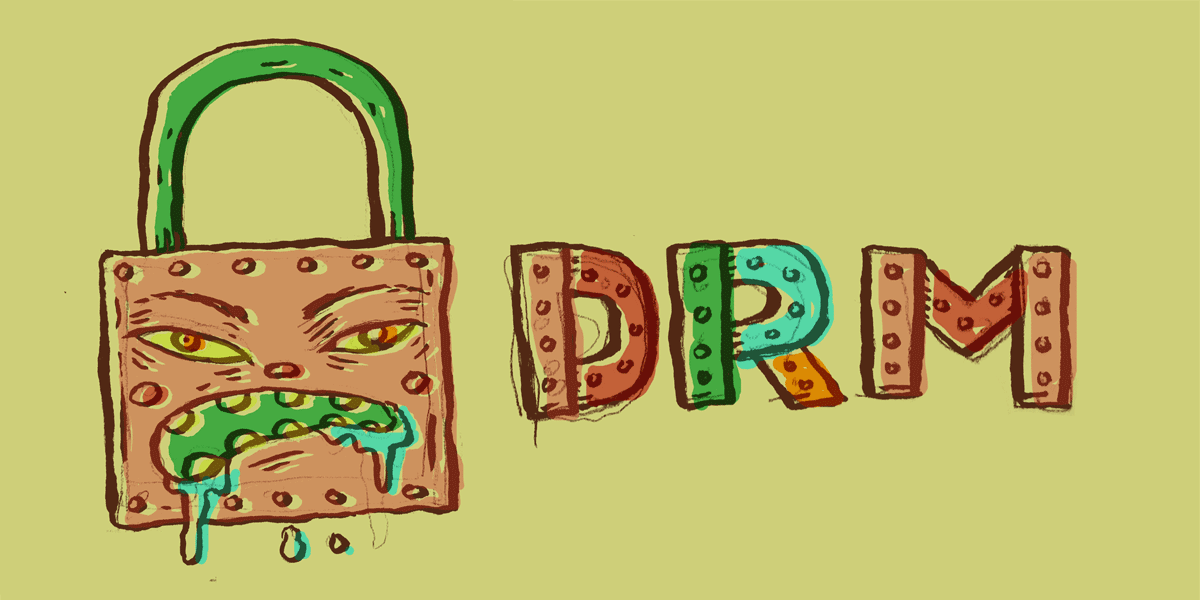
Yes, All DRM
Everybody knows that the digital locks of DRM on the digital media you own is a big problem. If you’ve bought a digital book, album, or movie, you should be able to do what you want with it—whether

We oppose DRM. | Defective by Design
The Ethical Tech Giving Guide replaces DRM-laden software and devices that trample user freedom and privacy with products and programs that you can trust.
The web can be weaponised – and we can't count on big tech to stop it | Tim Berners-Lee
It’s dangerous having a handful of companies control how ideas and opinions are shared. A regulator may be needed

The Missing Building Blocks of the Web
At a time when millions are losing trust in the the web’s biggest sites, it’s worth revisiting the idea that the web was supposed to be…

Opinion | How to Save the Web (Published 2018)
Governments, businesses and users around the world must commit to a set of fundamental principles for the web.

Web Platform Design Principles
Copyright © 2026 World Wide Web Consortium. W3C® liability, trademark and permissive document license rules apply.
Working on HTML5.1
The World Wide Web Consortium (W3C) is an international community where Member organizations, a full-time staff, and the public work together to develop Web standards.
It's time to rebuild the web
The web was never supposed to be a few walled gardens of concentrated content owned by a few major publishers; it was supposed to be a cacophony of different sites and voices.

Long Live the Web: A Call for Continued Open Standards and Neutrality
The Web is critical not merely to the digital revolution but to our continued prosperity—and even our liberty. Like democracy itself, it needs defending

De-google-ify Internet - Main Page
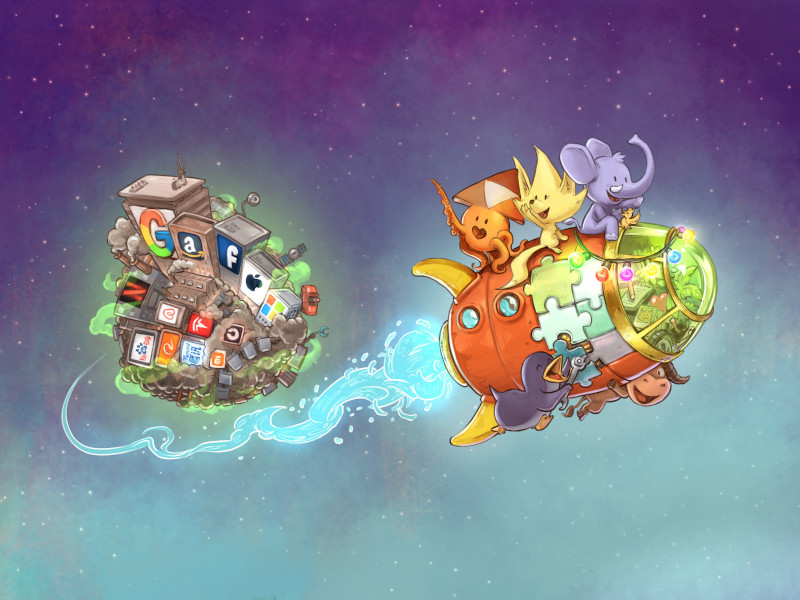
The web giants centralize our digital lives in exchange for their services The Free Software community offers alternative ethical services The Framasoft network intends to prove itby hosting them
Destroy Any Website
Type an address, break everything. Any website becomes a destructible pixel-art level, solo or with friends.
