

Making it easier for people who use powered wheelchairs to get them fixed won’t solve all the other problems with powered wheelchairs: it won’t solve the problem of being forced to use indoor chairs
We oppose DRM. | Defective by Design
The Ethical Tech Giving Guide replaces DRM-laden software and devices that trample user freedom and privacy with products and programs that you can trust.
Disability-Driven Development
Curb cut effect
The curb cut effect is the phenomenon of disability-friendly features being used and appreciated by a larger group than the people they were designed for. The phenomenon is named for curb cuts – miniature ramps comprising parts of sidewalk – which were first made for wheelchair access in particular places, but were also welcomed by people pushing strollers, carts or luggage. Curb cuts are now ubiquitous and no longer widely recognized as a disability-accessibility feature. Another example is hearing people using television closed captioning.

AI Doesn't Fix Accessible Systems. It Depends on Them. — Anna E. Cook
Why AI depends on the foundation accessible design systems build — and how "AI will fix accessibility" is producing the opposite outcome at industry scale.

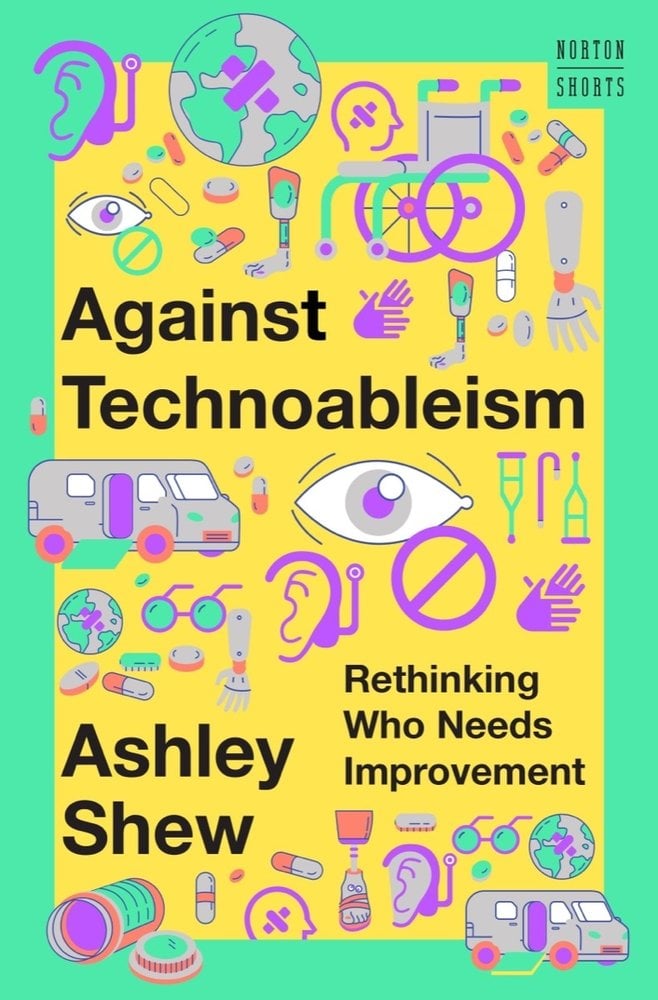
Against Technoableism
When bioethicist and professor Ashley Shew became a self-described "hard-of-hearing chemobrained amputee with Crohn's disease and tinnitus," there was no returning to "normal." Suddenly well-meaning people called her an "inspiration" while grocery shopping or viewed her as a needy recipient of technological wizardry. Most disabled people don't want what the abled assume they want--nor are they generally asked. Almost everyone will experience disability at some point in their lives, yet the abled persistently frame disability as an individual's problem rather than a social one. In a warm, feisty voice and vibrant prose, Shew shows how we can create better narratives and more accessible futures by drawing from the insights of the cross-disability community. To forge a more equitable world, Shew argues that we must eliminate "technoableism"--the harmful belief that technology is a "solution" for disability; that the disabled simply await being "fixed" by technological wizardry; that making society more accessible and equitable is somehow a lesser priority. This badly needed introduction to disability expertise considers mobility devices, medical infrastructure, neurodivergence, and the crucial relationship between disability and race. The future, Shew points out, is surely disabled--whether through changing climate, new diseases, or even through space travel. It's time we looked closely at how we all think about disability technologies and learn to envision disabilities not as liabilities, but as skill sets enabling all of us to navigate a challenging world.
HCDE Distinguished Lecture with Laura Forlano | Designing Consequences: On Living Well with Machines
Ask Disabled People What They Want. It’s Not Always Technology.
While our lives are deeply entangled with technologies of all kinds, disabled people are almost never included in discussions about technology.

Usability/UX/Accessability Research? · Issue #819 · w3c-fedid/FedCM
I'm curious if this work has any usability, UX, or accessibility research that supports the designs here? Are there non-goals, or handling of failure case scenarios that have been envisioned an...
Brainrot: Deskilling and Addiction are Overlooked AI Risks | Proceedings of the 2026 ACM Conference on Fairness, Accountability, and Transparency
As part of the Digital Library's transition to Open Access, new features for researchers are available in the Premium Edition. Click here to learn more.

Against Technoableism
One of BookRiot’s Ten Best Disability Books of the YearShortlisted for the Inc. Non-Obvious Book Awards“Wonderfully lucid.” —Andrew Leland, New York Times Book ReviewA manifesto exploding what we think we know about disability, and arguing that disabled people are the real experts when it comes to technology and disability., Against Technoableism, Rethinking Who Needs Improvement, Ashley Shew, 9781324076254
Smart glasses controversy sidelines the benefits for disabled people | Letter
Letters: Guardian readers reflect on the ableism rife in the debate about Ray-Ban Meta eyewear, despite the life-changing difference they can make
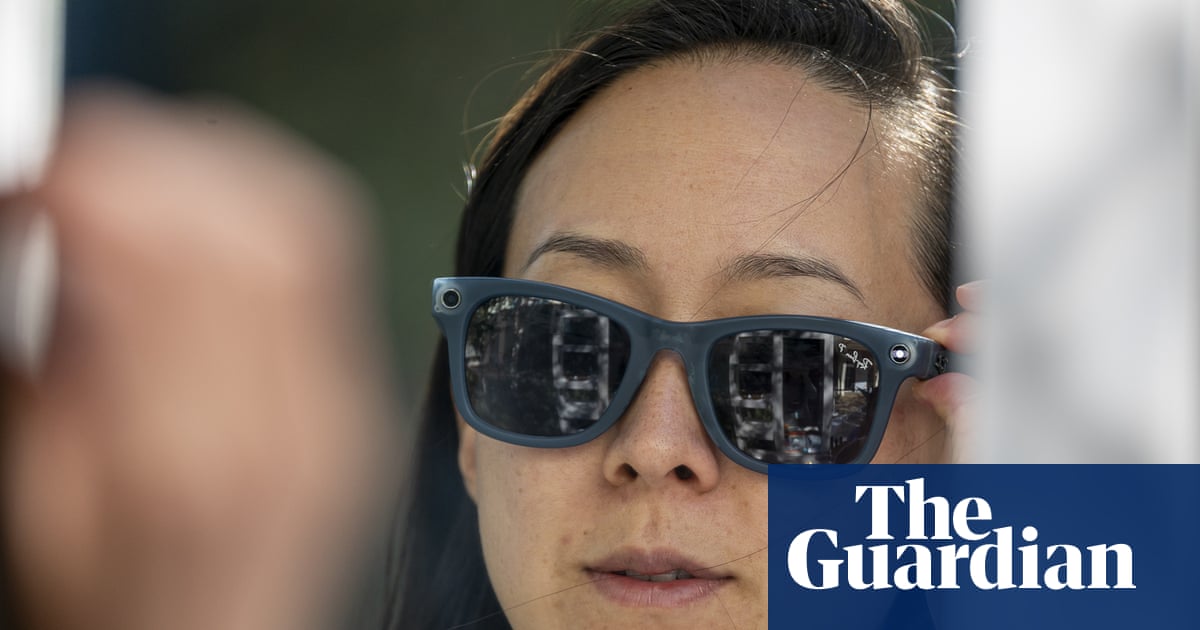
Smart glasses controversy sidelines the benefits for disabled people | Letter
Letters: Guardian readers reflect on the ableism rife in the debate about Ray-Ban Meta eyewear, despite the life-changing difference they can make
Synaptrix Labs | AI powered Brain-computer interface Solutions
Introducing Neuralis by Synaptrix Labs, the first device that allows paralyzed patients to move their wheelchairs through brain activity alone, powered by our novel AI based EEG signal processing model that makes it possible.

I have been watching the dialogue on this one closely. To everyone who is saying "OP is special, no one could use AI this way" well, I have spent 18 months doing significant amounts of scicomm in patient communities and they are ALL using AI this way. wrote this to help: github.com/DrCatHicks/informed-patient

GitHub - DrCatHicks/informed-patient: A Claude Skill to create an evidence review to inform specific health questions
github.com
Computational Cosmetologist
I had strong priors against LLMs for medicine. There are a lot of doctors in my family and I grew up viewing doctors as careful, skilled professionals. I had plenty of bad medical experiences, but I thought it would be hard to do better. Then an LLM found a cure for my 2 decade chronic condition...
Disability-driven Development

Disability-driven Development is a practice that reimagines computing from a disabled perspective.
Inclusive Design 24 #id24

say eugenics, say it again

Why AI is exposing design’s craft crisis

tech isn’t the future it’s just capitalism faster

The Dunning-Kruger effect in accessibility - Craig Abbott
Against Technoableism
