
When we spend time fighting the growing ubiquity of both public and private surveillance cameras we often hear a familiar refrain: “you don’t have an expectation of privacy in public.” This is not
Why privacy is important, and having "nothing to hide" is irrelevant
The governments of Australia, Germany, the UK and the US are destroying your privacy. Some people don't see the problem...
Why privacy is important, and having "nothing to hide" is irrelevant
The governments of Australia, Germany, the UK and the US are destroying your privacy. Some people don't see the problem...
A Cypherpunk's Manifesto
Privacy is necessary for an open society in the electronic age. Privacy is not secrecy. A private matter is something one doesn't want the whole world to know, but a secret matter is something one doesn't want anybody to know. Privacy is the power to selectively reveal oneself to the world.
Privacy and human behavior in the age of information
This Review summarizes and draws connections between diverse streams of empirical research on privacy behavior. We use three themes to connect insights from social and behavioral sciences: people's uncertainty about the consequences of privacy-related behaviors and their own preferences over those consequences; the context-dependence of people's concern, or lack thereof, about privacy; and the degree to which privacy concerns are malleable—manipulable by commercial and governmental interests. Organizing our discussion by these themes, we offer observations concerning the role of public policy in the protection of privacy in the information age.
Vigilantism comes for Flock
More Americans than ever are destroying Flock license plate cameras amid rising backlash against the company. Is the tide turning on intrusive U.S. mass surveillance, and where does the privacy fight go next?
Bringing Sexy Back
Internet surveillance has killed eroticism. We need privacy to reclaim it.

I didn't know how bad things are getting globally before finding /r/privacy
253 votes, 20 comments. The media has not informed us about the Flock cameras, age verification acts etc. that are happening in North America. There…
We Need A Massive Surveillance Program (Idle Words)
I am a privacy activist who has been riding a variety of high horses about the dangers of permanent, ubiquitous data collection since 2012.
Privacy, human rights, and Tornado Cash
I am more worried about privacy than crypto crime.
Your privacy is under attack from several terrifying new laws
“If privacy is outlawed, only outlaws will have privacy.” — Philip Zimmermann, creator of PGP Last week the United Kingdom passed a new bill that allows for “extreme surveillance.” This Investigatory Powers Bill — better known as the “snooper’s char...
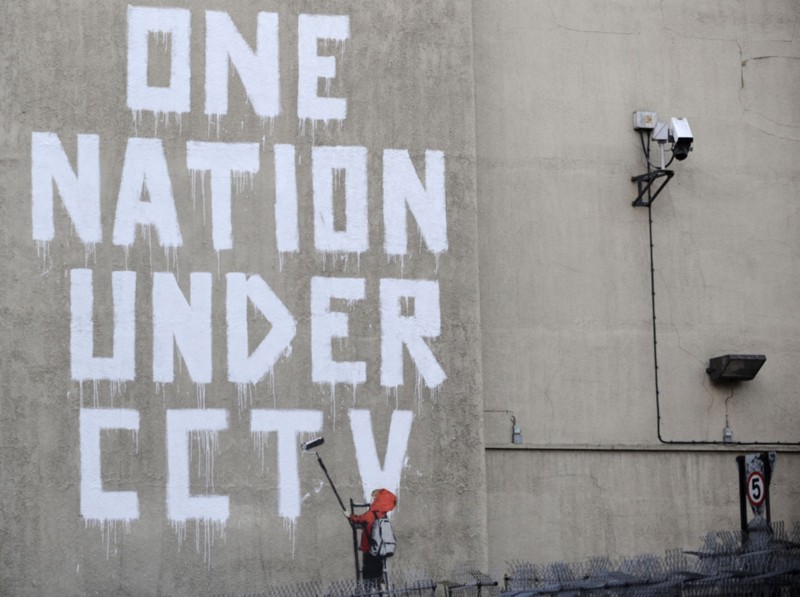
Measuring the Privacy Experience
How do you know that a product respects your privacy – other than by wading through the fine print? We’ve created a framework to measure the way people actually experience privacy in tech products.
"Pushed into the Shadows": Evidencing Digital Surveillance Chilling Effects and the Erosion of the Rights to Freedom of Assembly and of Association
SummaryThe United Nations Special Rapporteur on the Rights to Freedom of peaceful assembly and of association, Gina Romero, presents "Pushed into the Shadows: Evidencing digital surveillance chilling effects and the erosion of the rights to freedom of assembly and of association". This Global Study documents the profound impact that pervasive digital monitoring exerts on fundamental public freedoms. Moving beyond traditional privacy-centric narratives, the Study details how contemporary surveillance ecosystems induce serious chilling effects.

How to Protest Safely in the Age of Surveillance
Law enforcement has more tools than ever to track your movements and access your communications. Here’s how to protect your privacy if you plan to protest.

Gazing Back at the Surveillance Cameras That Watch Us (Published 2018)
These photographers explored the implications of a culture of pervasive monitoring.

The Tor Project | Privacy & Freedom Online
Defend yourself against tracking and surveillance. Circumvent censorship.