

The Senate Commerce Committee is once again considering legislation that would dramatically expand age verification, and undermine privacy for everyone. Alongside the SCREEN Act, the CHATBOT Act, and
Kids Online Safety Act
The Kids Online Safety and Privacy Act (KOSPA), known in the House, in some Senate versions, and commonly in the general public as the Kids Online Safety Act (KOSA), is proposed legislation in the United States first introduced in the Senate in 2022. The bill aims to establish guidelines to protect minors from harmful material on social media platforms through a duty of care system and requiring covered platforms to disable "addicting" design features to minors.
KOSA, the KIDS Act, AI, Bad Internet Bills, and a potential giveaway to big tech (UPDATED)
Just say no to bills that age restrict, censor, and surveil the internet!
The SCREEN Act Threatens Privacy Far Beyond Adult Websites
Update: On August 5, 2026, The Senate Commerce Committee voted 15-13 to advance this bill, but the bill did not advance because of a lack of Senators in attendance. EFF continues to oppose the bill.
The Kids Online Safety Act Will Make the Internet Worse for Everyone
Lawmakers who support KOSA today are choosing to trust the current administration, and future administrations, to define what youth—and to some degree, all of us—should be allowed to read online.

The SCREEN Act is a Christian Nationalist Nightmare
Mike Lee's SCREEN Act, which heads to Senate Commerce Committee for markup on Wednesday, would expand age verification requirements to a nearly limitless scope of websites, and is supported by the architects of Project 2025.
Stop KOSA
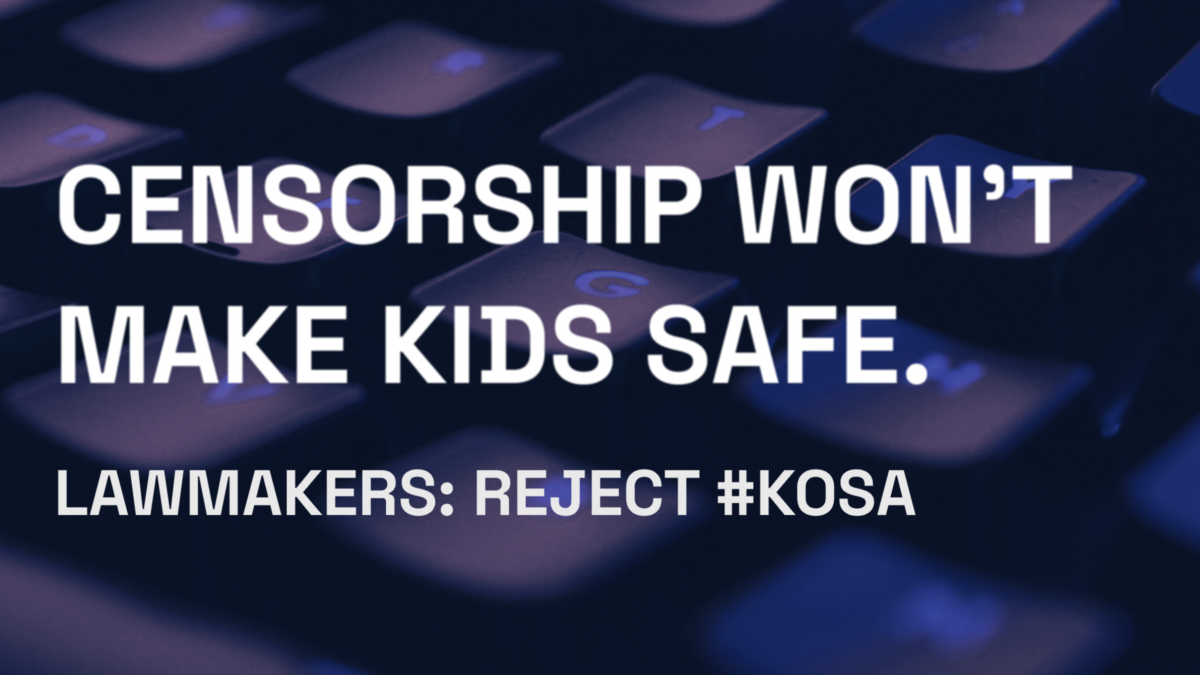
KOSA is a censorship bill that won’t make kids safe. Instead, it'll put all internet users at risk, especially youth. If you believe in a free and open internet, tell your lawmakers to reject #KOSA!
Michael Geist -
The Standing Senate Committee on Social Affairs, Science and Technology is one of several committees in the House and Senate conducting hearings on artificial intelligence. I appeared before the committee yesterday (my fourth appearance on the issue in recent months), but rather than reiterate previous testimony on privacy, copyright, and transparency, I focused on the big issue of the moment: bans on social media and AI chatbots for children. The committee had been hearing from many supportive witnesses who emphasized the risk of harm associated with AI. Indeed, one Senator asked the panel before mine to raise their hands if they supported a ban, and virtually all hands went up. I was unsure about how my comments would be received, but I found the Senators open to debate on the issue. A video of my opening remarks, together with the transcript, is posted below. A future Law Bytes podcast episode will delve into the discussion that followed.
Hack of Age Verification Company Shows Privacy Danger of Social Media
We’ve said it before: online age verification is incompatible with privacy. Companies responsible for storing or processing sensitive documents like drivers’ licenses are likely to encounter data

Why the EU age-verification tool does not solve privacy concerns
An EU legislative proposal for a social media ban will be presented at the State of the European Union annual address, but the tools which are pitcd as “ready” and “privacy-preserving” fail on both counts.

US industry and advocacy groups warn against mandatory age verification laws - CADE – Civil Society Alliances for Digital Empowerment
Several US organisations have urged Congress to reconsider proposals that would require mandatory age verification for online services, citing concerns about privacy, data security, and constitutional rights.

KOSA isn't designed to help kids.
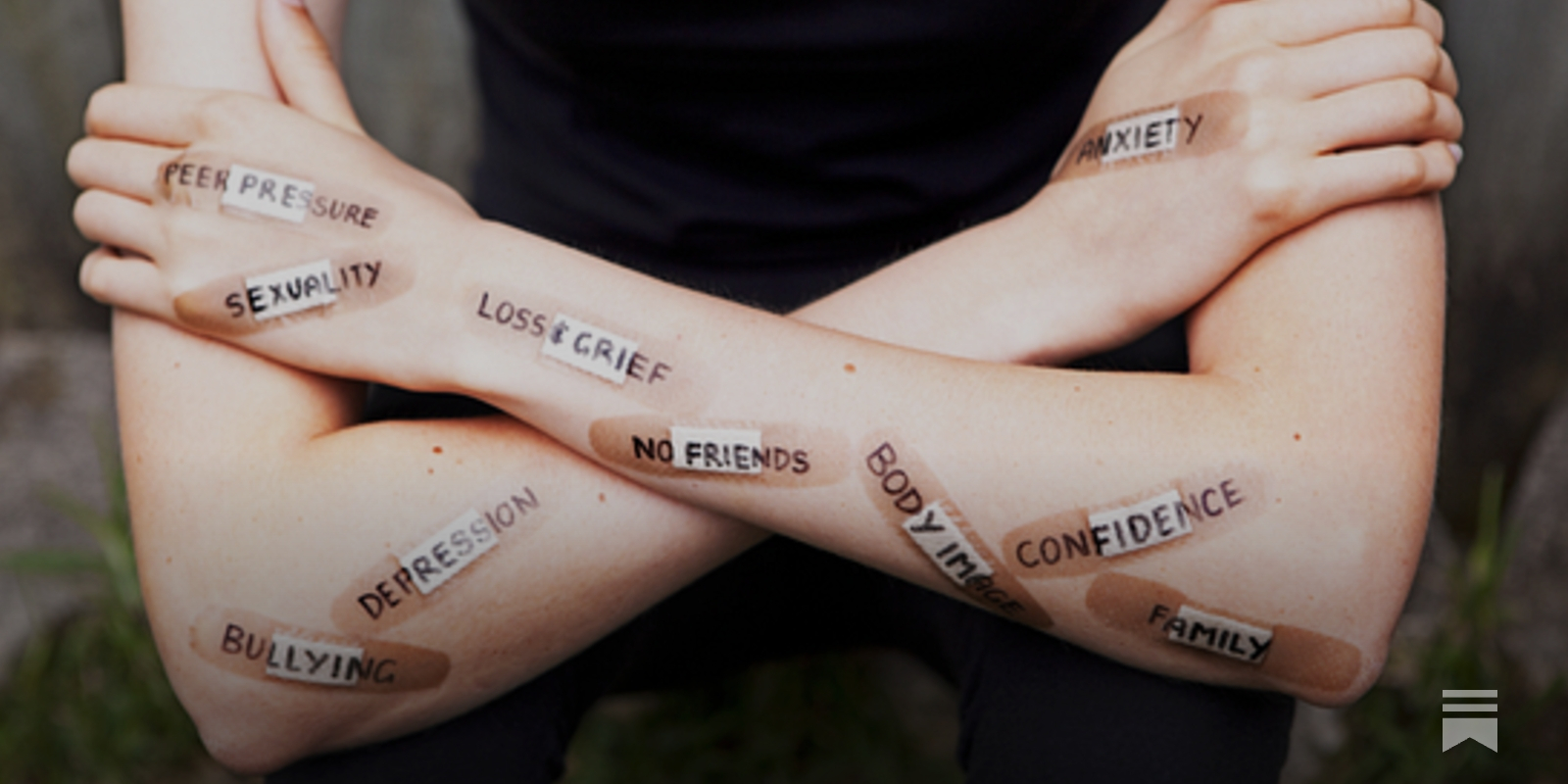
Congress is using kids to hold Big Tech accountable. Kids will get hurt in the process. Moving forward, we need to center youth.
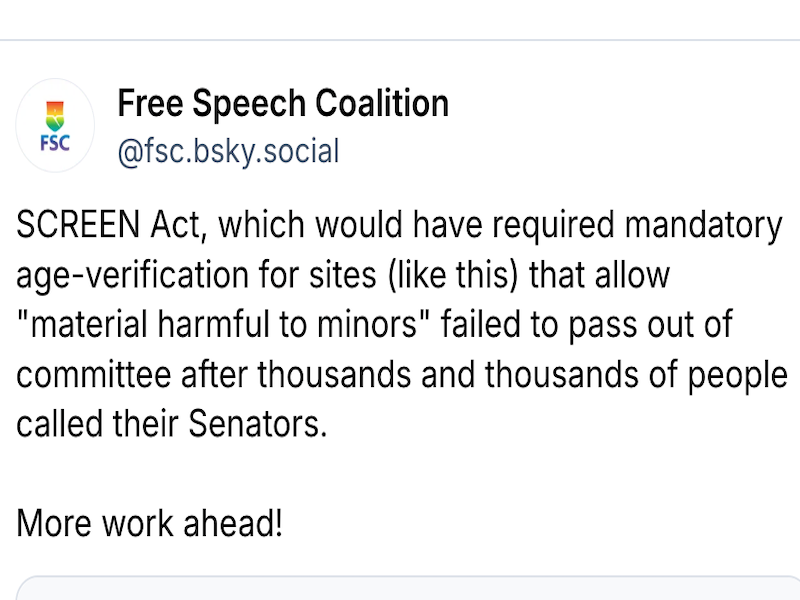
Activism makes a difference: the SCREEN Act unexpectedly fails in committee! But KOSA advances, so keep up the pressure
The best way to build on this victory is to keep the pressure on with KOSA and other bad internet bills.
Supreme Court Upholds Age Verification: A Game-Changer for Child Online Safety Laws – Public Interest Privacy Center
Site Blocking and Age Verification for Twitter, Instagram, Snap and Twitch?: Age Verification Lobby Confirms it Wants Bill S-210 to Cover All Social Media Sites - Michael Geist
Bill S-210 - the Protecting Young Persons from Exposure to Pornography Act - burst onto the public scene late last year as a majority of the House voted for the bill at second reading, sending it to the Public Safety committee for review. The bill, which is the brainchild of Senator Julie Miville-Dechêne, was supported by the Conservatives, Bloc and NDP with a smattering of votes from backbench Liberal MPs (the cabinet voted against, signalling it is not supported by the government). The bill raises significant concerns with the prospect of government-backed censorship, mandated age verification to use search engines or social media, and a framework for court-ordered website blocking (I appeared before the Senate committee that studied by the bill in February 2022, arguing that “by bringing together website blocking, face recognition technologies, and stunning overbreadth that would capture numerous mainstream services, the bill isn’t just a slippery slope, it is an avalanche.”). In response to the public criticism of the bill, Senator Julie Miville-Dechêne has suggested that concerns about it extending to general purpose social media sites is overstated since the intent is to target adult content sites. Yet that is not what the bill provides as it applies to anyone who makes sexually explicit material available on the Internet for commercial purposes:
Ineffective, Unconstitutional, and Dangerous: The Problem with Age Verification Mandates – Action Center
In the wake of Louisiana’s new law mandating the use of age verification (AV) on adult content websites, a flurry of copycat legislation has been introduced by well-meaning but poorly-informed politicians who don’t understand the real-world impacts of the laws they are proposing.
Fighting Bad Internet Bills (US-centric for now)

News, analysis, discussion, and actions about KOSA, the KIDS Act, age verification bills, and other bills that would surveil and censor the internet.
Activism makes a difference: the SCREEN Act unexpectedly fails in committee! But KOSA advances, so keep up the pressure
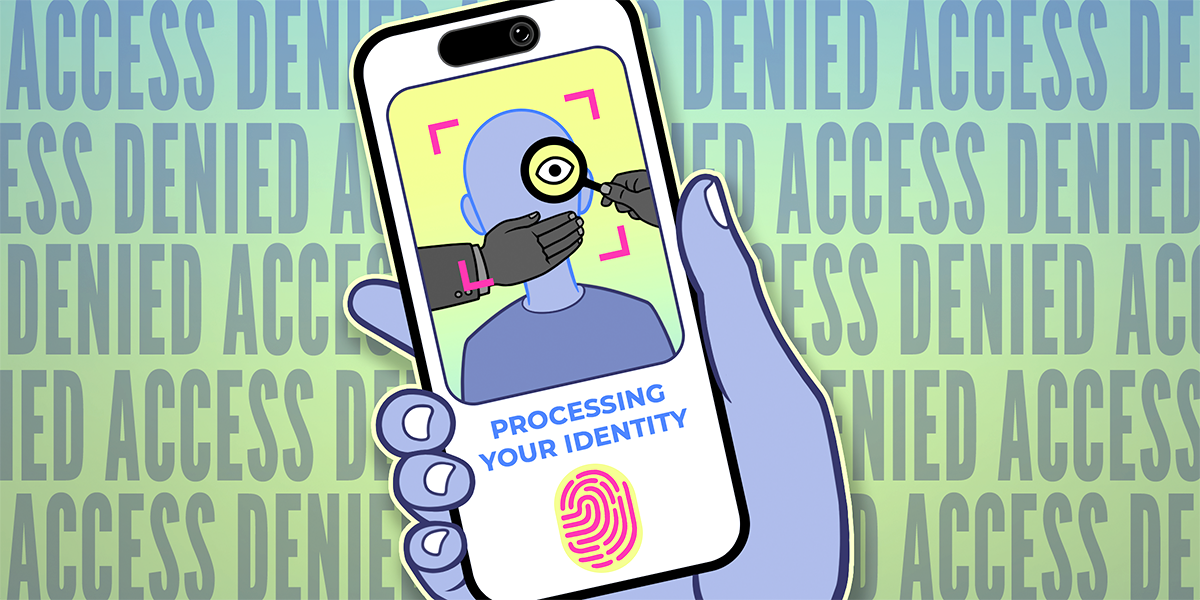
Congress Wants To Hand Your Parenting to Big Tech
Should Have Known Is the Wrong Standard for Kids’ Safety Laws
The SCREEN Act is a Christian Nationalist Nightmare
The Senate Should Reject KOSA's Privacy Risks

"The S is for surveillance": fighting KOSA and bad internet bills in the ATmosphere and the fediverses