Privacy, which companies were once happy to claim was all about personal choice, is now primed to affect everyone around you even more than it already did.Meta and Google’s smart glasses can record
Opinion | It’s Time to Panic About Privacy (Published 2019)
We claim to want it, companies claim to provide it, but we all just accept that, well, you have no privacy online.

Privacy is a collective concern
When we tell companies about ourselves, we give away details about others, too.

Meta sued over AI smart glasses' privacy concerns, after workers reviewed nudity, sex, and other footage | TechCrunch
Lawyers say Meta's marketing materials promised privacy and user control over sharing footage. But an investigation found that subcontractors are reviewing footage from customers' glasses.

The Best Replacements for Privacy-Invading Services
These days, it seems like everyone's out to violate your privacy. But even if you care about privacy, you probably don't want to leave the internet fo

Why you should bet big on privacy | TechCrunch
Ever felt like you were being watched online? You know, like when you read something about New York, and the next site you visit shows you ads for New York hotels? As it turns out, on my computer, there were more than 130 companies tracking my every move. These companies are basically engaging in mass surveillance.

Privacy and human behavior in the age of information
This Review summarizes and draws connections between diverse streams of empirical research on privacy behavior. We use three themes to connect insights from social and behavioral sciences: people's uncertainty about the consequences of privacy-related behaviors and their own preferences over those consequences; the context-dependence of people's concern, or lack thereof, about privacy; and the degree to which privacy concerns are malleable—manipulable by commercial and governmental interests. Organizing our discussion by these themes, we offer observations concerning the role of public policy in the protection of privacy in the information age.
Measuring the Privacy Experience
How do you know that a product respects your privacy – other than by wading through the fine print? We’ve created a framework to measure the way people actually experience privacy in tech products.

Meta glasses captured and shared intimate images without users' consent, lawsuit claims
People who use Meta's smart glasses or were recorded with the gadget are worried about how the social media giant is using their photos and videos.

‘Conditioning an entire society’: the rise of biometric data technology
The use of our bodies to unlock access to services raises concerns about the trade-off between convenience and privacy

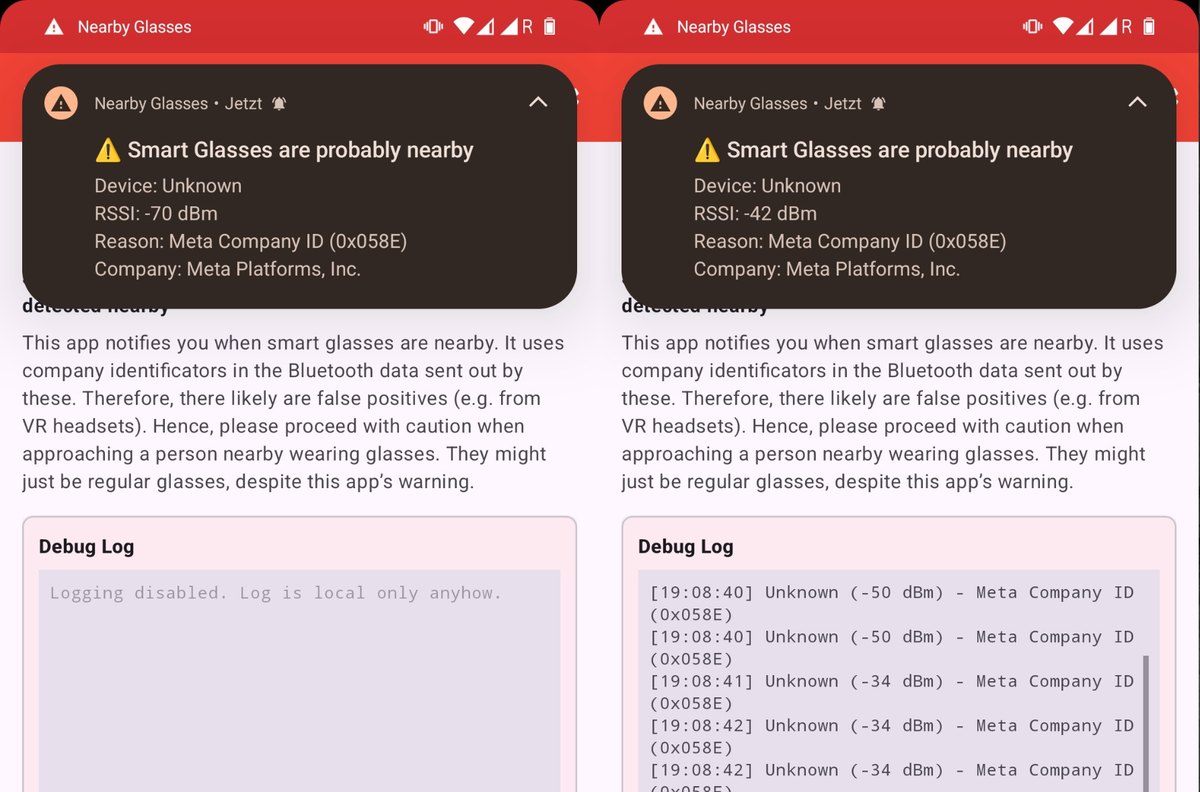
This App Warns You if Someone Is Wearing Smart Glasses Nearby
The creator of Nearby Glasses made the app after reading 404 Media's coverage of how people are using Meta's Ray-Bans smartglasses to film people without their knowledge or consent. “I consider it to be a tiny part of resistance against surveillance tech.”
Reframing smart glasses as 'pervert glasses'
Smart glasses equipped with cameras, microphones, and AI are a creeping privacy and security nightmare, prompting backlash.

Did someone wearing Meta Glasses film you today? Are you sure?
People say they’ve been secretly filmed in their own homes, at concerts and at work. Are the wildly popular smartglasses the final nail in the coffin of personal privacy?

De-Google Your Digital Life | Privacy-Focused Solutions
Learn how to remove Google from your digital life. Expert guidance on privacy-focused alternatives and digital independence.
Why Big Tech's Privacy Promises Are Lies
Privacy Fundamentalism
The current privacy debate is making things worse by not considering trade-offs, the inherent nature of digital, or the far bigger problems that come with digitizing the offline world.

Privacy.com uses identity verification service Persona, which will keep biometric information for "up to" 3 years
I think it’s time to stop recommending it