


Last Updated October 2014. By Hanni Fakhoury and Dia Kayyali Your computer, phone, and other digital devices hold vast amounts of personal information about you and your family. This sensitive data
Who owns your data?
A Supreme Court case about a bank robbery could redefine your digital rights.

Reclaim Control | over your technology, your devices, your data, your digital life.
You have the right to control your data, devices, and services. We coordinate, develop and foster communities of Reclaimers who want digital independence. Together, let's reclaim the right to a technical future of data sovereignty, digital autonomy, responsible governance, and collective care online for all.
Hack of Age Verification Company Shows Privacy Danger of Social Media
We’ve said it before: online age verification is incompatible with privacy. Companies responsible for storing or processing sensitive documents like drivers’ licenses are likely to encounter data

I Asked 100 Companies for My Data. I Got Deletion Notices Instead
California residents have a legal right to access the data that companies collect about them. Actually exercising that right is a burdensome nightmare.

Information accountability
With access control and encryption no longer capable of protecting privacy, laws and systems are needed that hold people accountable for the misuse of personal information, whether public or secret.
How GDPR Will Change The Way You Develop — Smashing Magazine
GDPR requires you to be more thoughtful about the sites and services you build, more transparent about the ways you collect and use data, more considerate of your users, and more thorough in your development and documentation processes. In this article, Heather Burns will explore what you, as a developer, need to know about the new data protection regime. At the end, you’ll understand how the challenges posed by the privacy overhaul will ultimately help to make you a better developer.
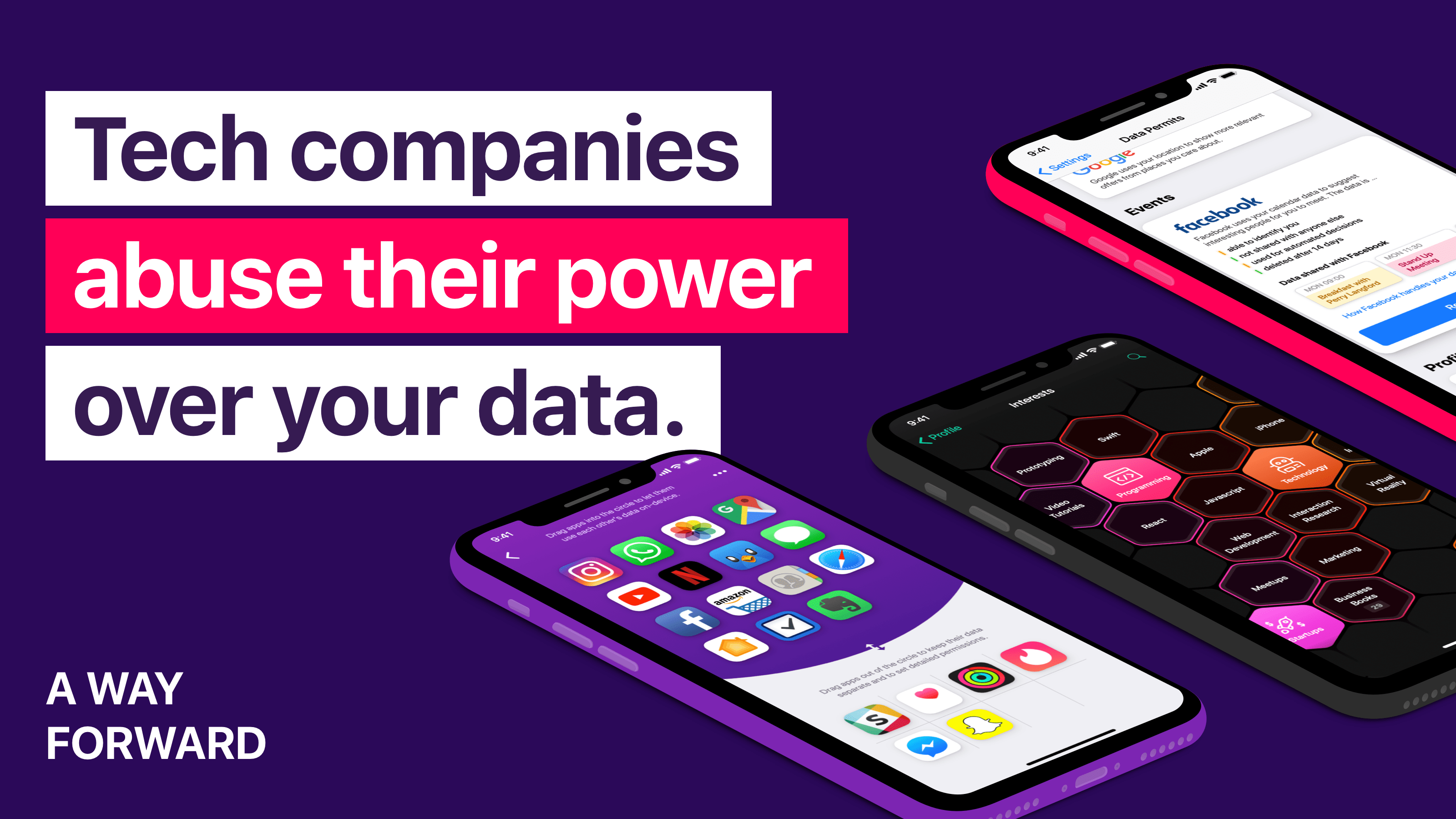
Rethinking how technology uses our personal data
This essay explores visually how keeping data and AI on‑device could empower not only users, but also companies.
The Age-Gated Internet Is Sweeping the US. Activists Are Fighting Back
Half of the country now requires age verification to watch porn or access “harmful” content. Digital rights advocates are pushing back against legislation they say will make the internet less safe.

Opinion | Zuckerberg’s So-Called Shift Toward Privacy (Published 2019)
Facebook is happy to protect user data when doing so decreases the company’s civic responsibilities — but not when it threatens advertising revenue.

Digital identification: The hidden and visible implications
Countries are rolling out digital identification schemes, but citizens are protesting about loss of privacy and misuse of data. They may have a point.

Measuring the Privacy Experience
How do you know that a product respects your privacy – other than by wading through the fine print? We’ve created a framework to measure the way people actually experience privacy in tech products.

Privacy Principles
Privacy is an essential part of the web. This document provides definitions for privacy and related concepts that are applicable worldwide as well as a set of privacy principles that should guide the development of the web as a trustworthy platform. People using the web would benefit from a stronger relationship between technology and policy, and this document is written to work with both.
Self-sovereign identity: the future of personal data ownership?
Despite the economic value of online identities, major concerns remain around privacy issues. Could the self-sovereign identity model be the solution?

The Age Verification Privacy Paradox: Why Document Uploads Hurt Everyone—and How World Solves It
Age verification is now required by many digital platforms worldwide, but most systems create new risks for user data and privacy. This article explores why document-based age verification exposes everyone to greater risk—and how privacy-first technology like World ID offers a safer path for consumers and platforms.

Yikes. For anyone interested in more information about this, I recommend checking out @privacyguides.org : discuss.privacyguides.net/t/privacy-com-uses-identity-v…

Privacy.com uses identity verification service Persona, which will keep biometric information for "up to" 3 years
discuss.privacyguides.net