

Here’s the kicker: the technology being used to implement these mandates isn’t even up for the task. Age estimation and ID verification tech is clunky at its best, and discriminatory at its worst.
Age Verification Mandates Would Undermine Anonymity Online
Age verification systems are surveillance systems. Mandatory age verification, and with it, mandatory identity verification, is the wrong approach to protecting young people online. It would force
438 Experts Said Age Verification Is Dangerous. Legislators Are Moving Forward With It Anyway. - Above the Law
From the seems-like-someone-should-pay-attention? dept

Age Verification and Age Gating: Resource Hub
Age verification (or age-gating) laws generally require online services to check, estimate, or verify all users’ ages—often through invasive tools like ID checks, biometric scans, or other dubious

‘Age Verification’ could force trans people to out themselves to use the internet
Automated online ID checking systems add new potential dangers to having a mismatching ID.

Who’s Harmed by Age Verification Mandates?
Age-verification laws may sound straightforward to some: protect young people online by making everyone prove their age. But in reality, these mandates force users into one of two flawed
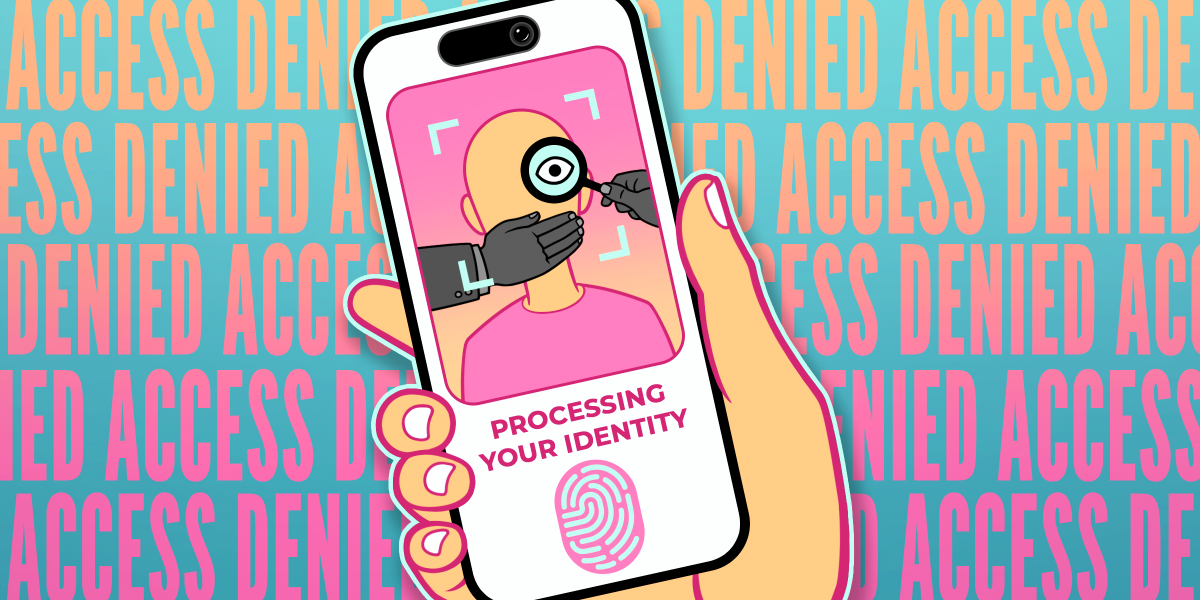
Age verification: Child protection or privacy risk?
With more platforms and governments asking for age verification, we look at the options and the implications.

Age Verification Is Locking Trans People Out of the Internet
Experts tell Dia Kayyali and Jasmine Mithani that age verification, sold as a fix for kids’ online safety, expands surveillance and deepens discrimination.
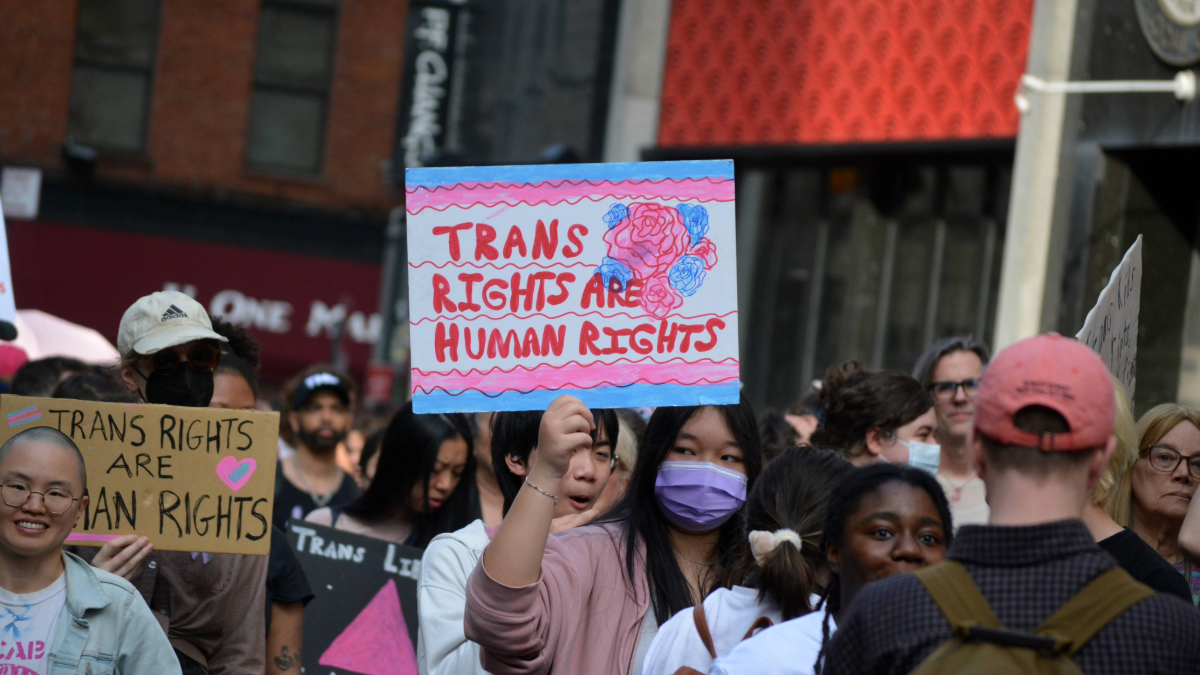
Is Age Verification Really Keeping Kids Safe—or Just Risking Your Privacy?
Age verification just isn’t worth it. The benefits for kids are debatable, and what you’re really giving up is your personal data, which is more valuable than ever.

Hackers Expose The Massive Surveillance Stack Hiding Inside Your “Age Verification” Check
We’ve been saying this for years now, and we’re going to keep saying it until the message finally sinks in: mandatory age verification creates massive, centralized honeypots of sensitiv…

The Age-Verification Trap
Platforms are caught in a dilemma: enforce age restrictions or protect user privacy. How are they navigating this tricky terrain?

Age verification needs better privacy protections, report says
New America’s Open Technology Institute called for the use of zero-knowledge proofs, which verify a user’s age without disclosing any personal information.

Who Really Sees Your ID When You Verify Your Age Online? - Intercede
We’re asked to prove our age online more than ever before. Whether we’re accessing social platforms, buying age‑restricted products, or visiting sites that require identity checks by law. Age verification has quickly become a standard part of the digital experience. But as these systems spread, so do the questions around what really happens to the … Continue reading ""

Age verification is coming for the internet — and it’s already raising red flags
Legislative efforts to age-gate parts of the internet are gaining traction. Some experts warn of compliance complications and data security breaches.

When No ID Means No Internet: Age Verification and the Right to
Age verification proposals are often presented as a simple tradeoff: sacrifice a little privacy to better safeguard children online. But that framing overlooks a more fundamental question. What
Age Assurance Methods Explained
This blog also appears in our Age Verification Resource Hub: our one-stop shop for users seeking to understand what age-gating laws actually do, what’s at stake, how to protect yourself, and why EFF
Age Verification Architecture
This document describes solution-agnostic and technology-neutral schema for how various intermediaries can gate content and services based on age. The analysis of the architecture is done along two dimensions: the efficacy of permitting or restricting access based on age, and the privacy cost of doing so. The document concludes with recommendations as well as critical privacy, security and human rights considerations.