

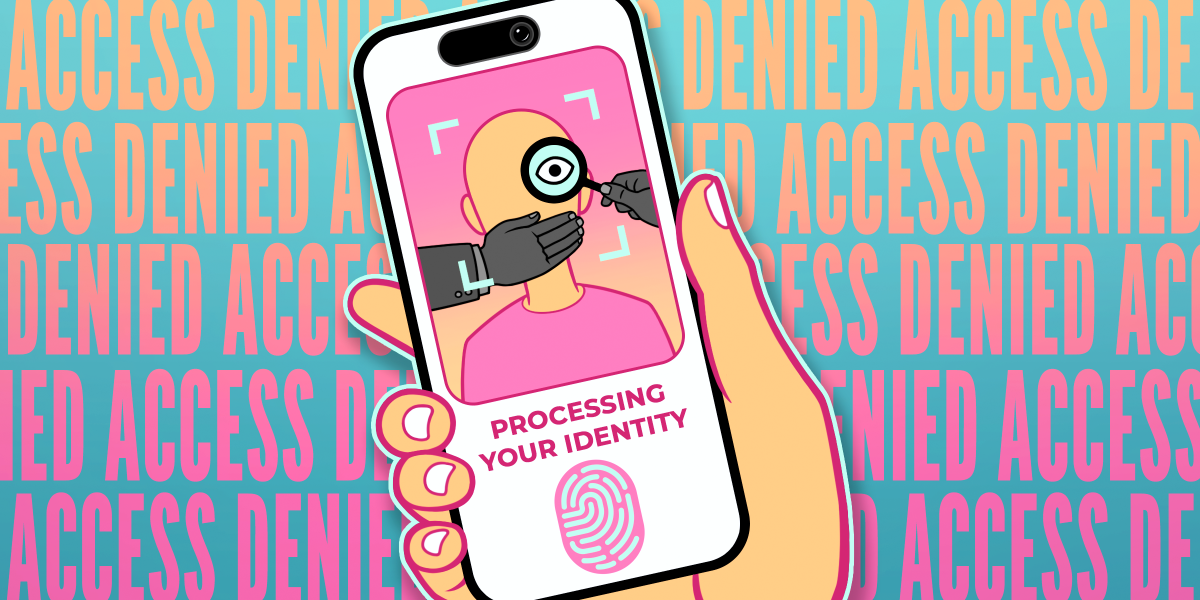
Age-verification laws may sound straightforward to some: protect young people online by making everyone prove their age. But in reality, these mandates force users into one of two flawed
Age Verification Mandates Would Undermine Anonymity Online
Age verification systems are surveillance systems. Mandatory age verification, and with it, mandatory identity verification, is the wrong approach to protecting young people online. It would force
Age verification is coming for the internet — and it’s already raising red flags
Legislative efforts to age-gate parts of the internet are gaining traction. Some experts warn of compliance complications and data security breaches.

Who Really Sees Your ID When You Verify Your Age Online? - Intercede
We’re asked to prove our age online more than ever before. Whether we’re accessing social platforms, buying age‑restricted products, or visiting sites that require identity checks by law. Age verification has quickly become a standard part of the digital experience. But as these systems spread, so do the questions around what really happens to the … Continue reading ""

Online Age Verification: Government Legislation, Supplier Responsibilization, and Public Perceptions
There are widespread concerns about the online harms to children operating online. As such, governments have enacted laws to require online service providers to deploy age verification to prevent such harms. We investigate the following three research questions regarding this topic: (1) To what extent have different governments legislated age verification controls? (2) Do governments embrace a responsibilization strategy when it comes to online age verification? and (3) How does the UK public feel about online age verification legislation? We find that governments are applying a responsibilization strategy, which has led to widespread deployment of privacy-invasive or ineffective age verification. The former violates the privacy of underage users, with the latter undermining the overarching aims of the legislation. We have also found general disengagement and a lack of trust in the government amongst the public with regards to new online age verification laws within the UK. To conclude, despite governments globally looking to put more robust online age verification mechanisms in place, there remains a general lack of privacy preservation and affordable technological solutions. Moreover, the overarching aims of the online safety and age verification legislative changes may not be satisfied due to the general public stakeholder group's disengagement and lack of trust in their government.

The Dangers of Age Verification Provisions
One proposed solution to ensuring safe youth online experiences is age verification provisions, which require platforms to confirm the ages

Age verification: Child protection or privacy risk?
With more platforms and governments asking for age verification, we look at the options and the implications.

438 Experts Said Age Verification Is Dangerous. Legislators Are Moving Forward With It Anyway. - Above the Law
From the seems-like-someone-should-pay-attention? dept

Online age verification systems fail to protect children | Proton
Do online age verification systems improve child safety? See how age restrictions and age checks fall short, and what that means for privacy and protection.

US industry and advocacy groups warn against mandatory age verification laws - CADE – Civil Society Alliances for Digital Empowerment
Several US organisations have urged Congress to reconsider proposals that would require mandatory age verification for online services, citing concerns about privacy, data security, and constitutional rights.

Exploring Privacy-Preserving Age Verification: A Close Look at Zero-Knowledge Proofs
A path toward protecting young people online that doesn’t sacrifice their privacy or data security, amid persistent concerns about screen time.
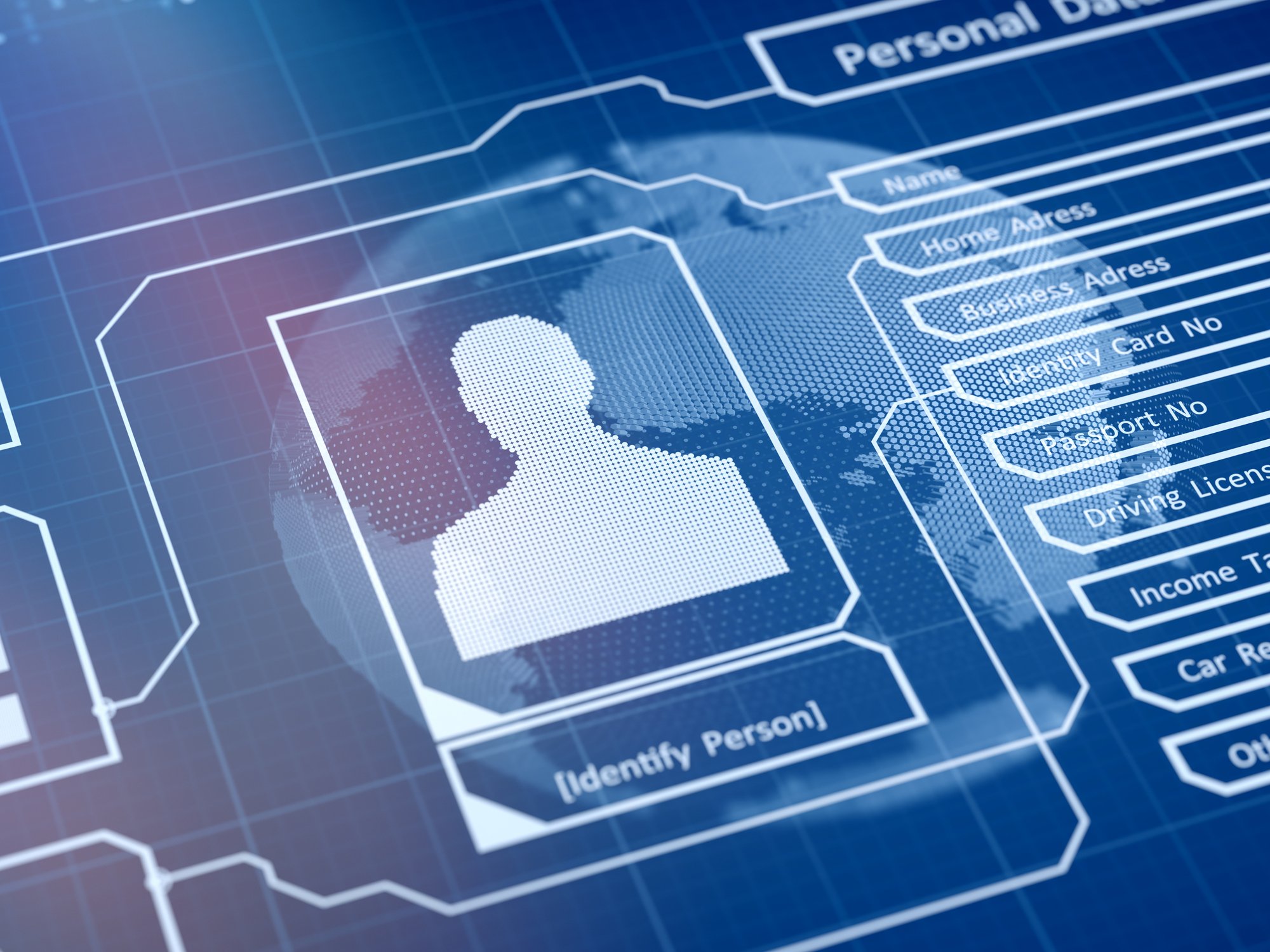
What Would Online Age Verification Mean for Speech, Privacy, and Youth Online Safety?
Hack of Age Verification Company Shows Privacy Danger of Social Media
We’ve said it before: online age verification is incompatible with privacy. Companies responsible for storing or processing sensitive documents like drivers’ licenses are likely to encounter data
Age Assurance Methods Explained
This blog also appears in our Age Verification Resource Hub: our one-stop shop for users seeking to understand what age-gating laws actually do, what’s at stake, how to protect yourself, and why EFF
Age Verification and Age Gating: Resource Hub
Age verification (or age-gating) laws generally require online services to check, estimate, or verify all users’ ages—often through invasive tools like ID checks, biometric scans, or other dubious

The Age-Verification Trap
Platforms are caught in a dilemma: enforce age restrictions or protect user privacy. How are they navigating this tricky terrain?

IACIS 2026 - OpenConf Abstract Submission, Peer Review, and Event Management System
As lawmakers across the United States move to require age verification for access to adult content online, new questions are emerging about the unintended risks these laws create. While intended to protect minors, many of these policies rely on systems that collect and store overly sensitive personal information such as government-issued IDs or biometric data without adequate safeguards. This introduces serious cybersecurity vulnerabilities, privacy concerns, and potential legal liability for platforms and users alike. Some major platforms have already withdrawn from certain states rather than comply, raising questions about the real-world feasibility of these laws. This study examines the intersection of digital privacy, cybersecurity, and legal compliance in the context of mandatory age verification. It analyzes the risks posed by identity-based and biometric systems, the role of third-party vendors, and the inconsistencies in how states define and enforce these requirements. The paper evaluates several age verification models and concludes that attribute-based verification systems that confirm age eligibility without revealing full identities offers the most secure and privacy-conscious path forward. The findings underscore a critical need for better-designed legislation that balances child protection with digital rights and security. This research provides targeted recommendations for policymakers, platform operators, and cybersecurity professionals, urging a shift toward transparent, accountable, and technically sound solutions before flawed systems become entrenched.