


Once we can do this work for ourselves—it doesn’t suddenly end, but rather becomes easier to navigate unattachment—we understand that our feelings don’t have to do with the other person, but with ourselves.
Romancing Aloneness: How to Be Alone Like a Buddhist. | elephant journal
If we cannot see ourselves, how do we expect others to see us clearly? If we cannot be alone, how can we truly enjoy being with people? The contrast in life is often what allows us to appreciate it.

The Central Paradox of Love: Esther Perel on Reconciling the Closeness Needed for Intimacy with the Psychological Distance That Fuels Desire
“Love rests on two pillars: surrender and autonomy. Our need for togetherness exists alongside our need for separateness. One does not exist without the other.”

The Empathy Paradox
Understanding The Empathy Paradox can transform relationships by enabling you to appreciate differing perspectives and foster collaboration.

The empathy paradox
There’s an image of empathy we all know that is beautiful: the fullness of completely understanding someone else, the symbolic walk in shoes that are not one’s own. The knowledge that someone else can share a pain so acute that would otherwise seem unbearably solitary. It’s an image inherent to empathy’s definition, an image many believe in wholeheartedly. Several studies conducted by Stanford researchers alone suggest people are motivated to feel empathy, that empathy is highly associated with social desirability, that it is as beneficial as it is admired.
6 Ways to have Radically Intimate Sex. | elephant journal
True intimacy with a lover happens in the silent moments of presence and connectedness between words.

How Social Isolation Is Killing Us (Published 2016)
Research confirms our deepest intuition: Human connection lies at the heart of human well-being.

Extraordinary Passion: Couple Meditation
Undersociality: miscalibrated social cognition can inhibit social connection
A person’s well-being depends heavily on forming and maintaining positive relationships, but people can be reluctant to connect in ways that would create or strengthen relationships. Emerging research suggests that miscalibrated social cognition may create psychological barriers to connecting with others more often. Specifically, people may underestimate how positively others will respond to their own sociality across a variety of social actions, including engaging in conversation, expressing appreciation, and performing acts of kindness.

We Chose Frictionless. It Left Us Empty.
On what my parents understood about creating relationships that we have forgotten — and why the inconvenience is the whole point.

Why We Fall in Love: The Paradoxical Psychology of Romance and Why Frustration Is Necessary for Satisfaction
“All love stories are frustration stories… To fall in love is to be reminded of a frustration that you didn’t know you had.”
Body and Brain Benefits From Lasting Intimacy
Think intimacy is about physical touch? Reach into and understand the emotional brain to truly activate what sparks a deep human connection.
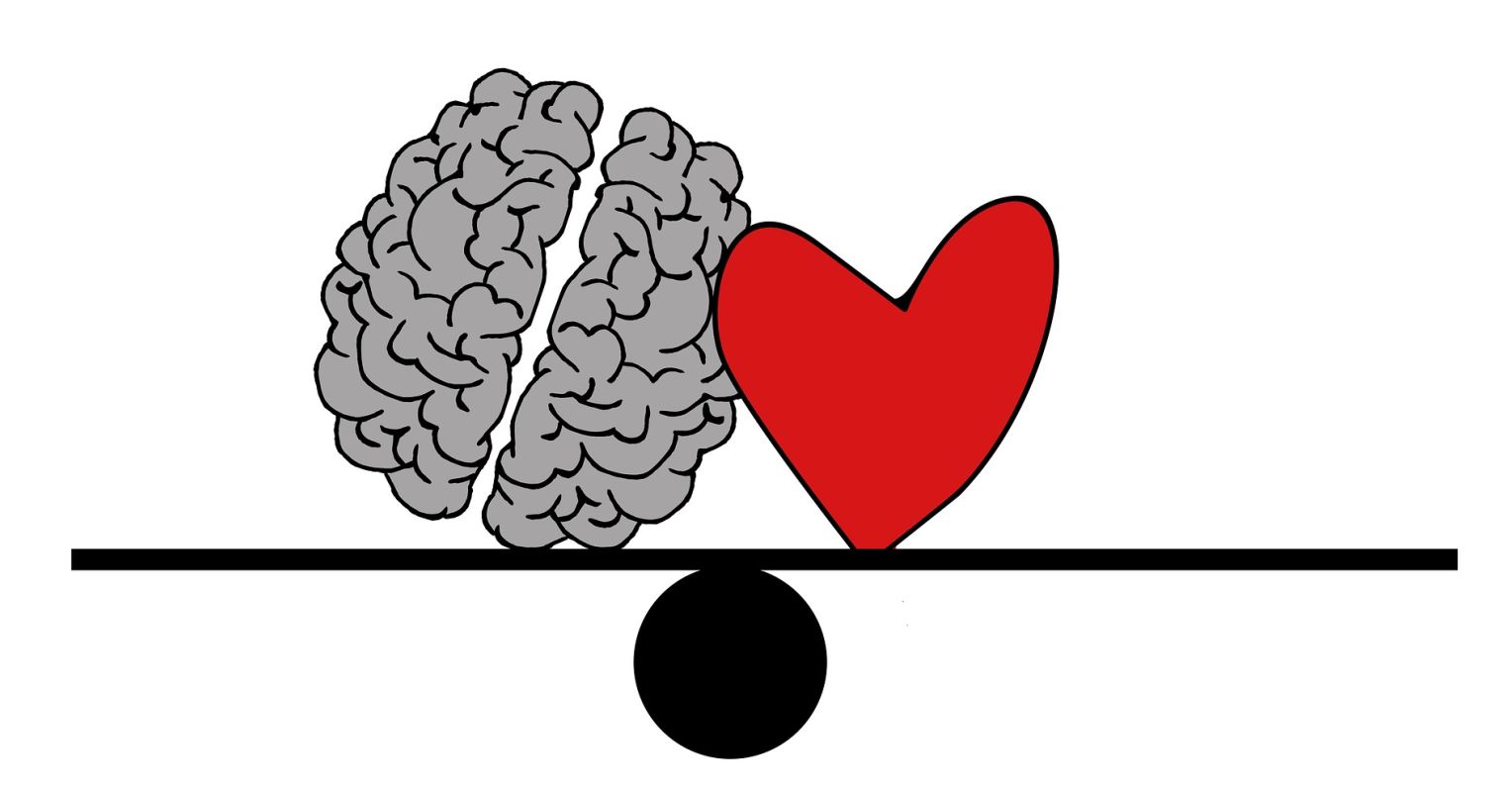
Couples & Sex Therapy | Relational and Experiential Therapy
Strengthen trust, communication, and connection with insight-driven couples and sex therapy designed to help you heal and grow together.

We've Lost the Spaces That Foster Friendship
We keep offering individual fixes for loneliness while ignoring the disappearance of the spaces where adults once built real relationships.

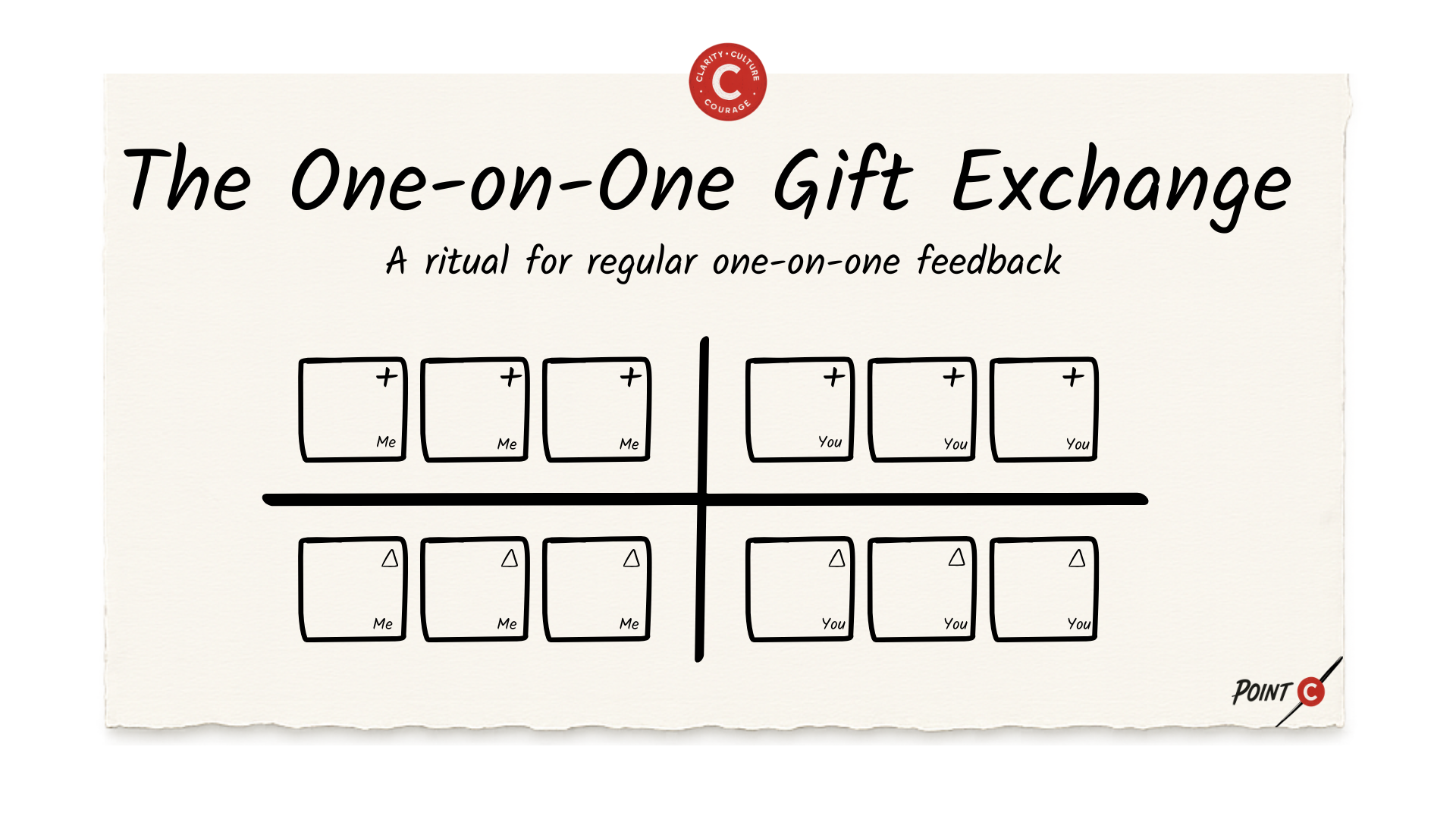
The 4 Qualities Of A Conscious Relationship, From A Marriage Therapist
We are approaching a period of time when relationships are ready to go through a major redesign.

The Unsatisfied Force Within You: It’s time to set it free
You are a lot like me, but not in a way we would necessarily see if we met face-to-face.
