


Millennials have been complaining a lot about “adulting” lately. The term has caught steam online, and has started entering daily vocabulary. In short, adulting is the concept of completing the responsibilities an adult is expected to handle, from…
Towards Eldering
by Cash Ahenakew Part of the work of the GTDF collective has been around “growing up”. The term is used with reference to sobering up, to owning up and to showing up differently in the world. Previ…


Open source confronts its midlife crisis | The Observation Deck
Midlife is tough: the idealism of youth has faded, as has inevitably some of its fitness and vigor. At the same time, the responsibilities of adulthood have grown: the kids that were such a fresh adventure when they were infants and toddlers are now grappling with their own transition into adulthood – and you try to remind yourself that the kids that you have sacrificed so much for probably don’t actually hate your guts, regardless of that post they just liked on the ‘gram. Making things more challenging, while you are navigating the turbulence of teenagers, your own parents are likely entering life’s twilight, needing help in new ways from their adult children. By midlife, in addition to the singular joys of life, you have also likely experienced its terrible sorrows: death, heartbreak, betrayal. Taken together, the fading of youth, the growth in responsibility and the endurance of misfortune can lead to cynicism or (worse) drastic and poorly thought-out choices. Add in a little fear of mortality and some existential dread, and you have the stuff of which midlife crises are made…
You’re an Adult. Your Brain, Not So Much. (Published 2016)
The brain reshapes itself for years after adolescence, scientists have found, raising questions about when an adult is mature in the legal sense.

Welcome to the Millennial Midlife Crisis
As we enter our 40s, we’re being forced to confront something awful — not our mortality. Our finances.

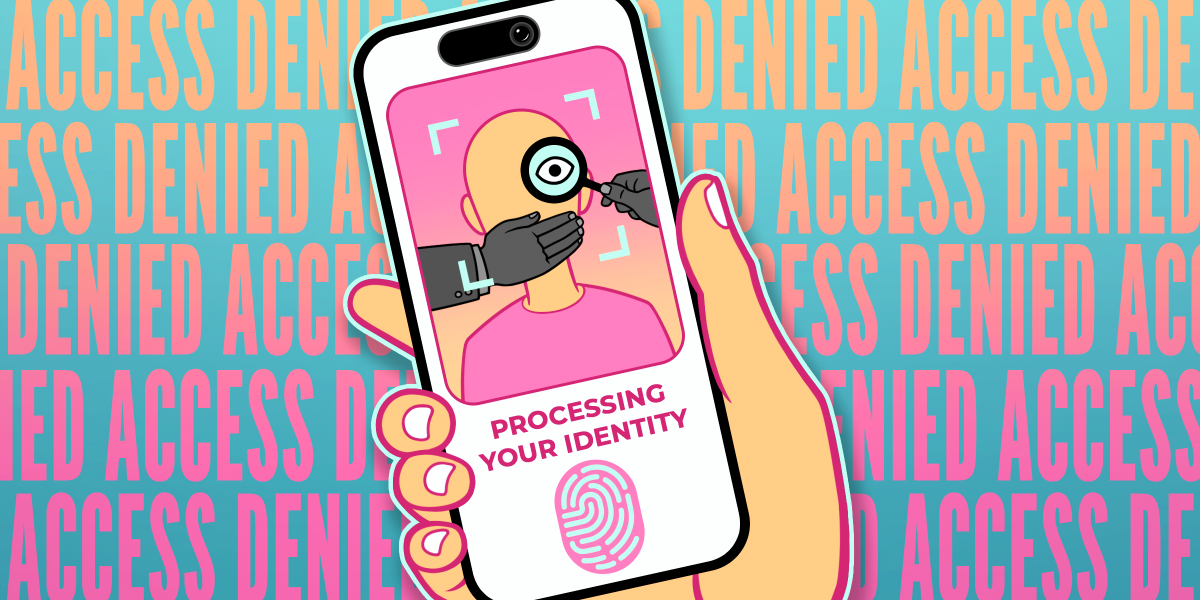
Age Assurance Methods Explained
This blog also appears in our Age Verification Resource Hub: our one-stop shop for users seeking to understand what age-gating laws actually do, what’s at stake, how to protect yourself, and why EFF
What the Internet Is Teaching Young Men About Desire
When pornography becomes the default sex education, it reshapes how a generation learns about power, intimacy, and attention

The soft life: why millennials are quitting the rat race
Ambition once came with a promise: a home, a salary, progress and fulfilment. What happens when that promise is broken? Meet the women who are turning their backs on consumerism, materialism and burnout

FinTech Adoption Across Generations: Financial Fitness in the Information Age
This paper analyzes how better access to financial information via new technology changes use of consumer credit and affects financial fitness. We exploit the introduction of a smartphone application for personal financial management as a source of exogenous variation. FinTech adoption reduces financial fee payments and penalties, but differs cross-sectionally in the population. After adopting the new technology, Millennials and members of Generation X incur fewer financial fees and penalties, whereas Baby Boomers do not benefit from the technological advance. Millennials and Gen Xers save fees by using their credit cards rather than overdrafts to manage short-term liabilities. Moreover, Millennials shift some of their spending to discretionary entertainment, whereas members of Generation X remain more austere. Finally, while men tend to adopt new technology and access information at a higher rate, the economic impact of access is larger for women.

The 75-Year-Old Screenagers
Seniors are spending more time than ever on their slop-filled, scam-riddled feeds. It has become their adult children’s job to save them.

The loneliest generation: What it is like to grow up in England today | IPPR
A connected society is one in which we care about how others are doing and, in turn, others look out for our wellbeing. It is the state and public services
Philosophy Officer on Instagram: "I AM SO EMOTIONALLY MATURE I have massive problems with this term. Most people would say it means something along the lines of: the ability to understand, process, regulate or communicate emotions in a healthy way. Now the issue is that all of the terms you use to explain it leave so much room for interpretation the definition becomes almost vacuous. To understand an emotion means to know what caused it? To know the impact it has on you physiologically? To understand how it affects your cognition? To know how it affects others? Same goes with the term healthy, get far enough into a discussion on what it means to be healthy and people will start to disagree. Mental health? Physical? Communal? Spiritual? What’s more is that this term is thrown around in place of simple personality traits or individual quirks. Because someone is more emotional are they now less mature because they have an objectively more difficult time regulating them? Is the person with a dark sense of humour immature because he can’t hold in a laugh when everyone else finds the situation morbid or cruel? I think, to a great extent, it’s a bit of a shield or barrier of a term that absolves ourselves from taking responsibility for our behaviours. At the end of the day we know ourselves best, or at least better than most people. This means we best understand our emotions, how we regulate them, how we control them etc. We have this epistemic bias towards ourselves, since we simply know more about ourselves therefore we will often reason that others have less. Sorry I couldn’t polish off my ideas more I gotta run bye friends"
102K likes, 186 comments - the_philofficer on July 6, 2026: "I AM SO EMOTIONALLY MATURE I have massive problems with this term. Most people would say it means something along the lines of: the ability to understand, process, regulate or communicate emotions in a healthy way. Now the issue is that all of the terms you use to explain it leave so much room for interpretation the definition becomes almost vacuous. To understand an emotion means to know what caused it? To know the impact it has on you physiologically? To understand how it affects your cognition? To know how it affects others? Same goes with the term healthy, get far enough into a discussion on what it means to be healthy and people will start to disagree. Mental health? Physical? Communal? Spiritual? What’s more is that this term is thrown around in place of simple personality traits or individual quirks. Because someone is more emotional are they now less mature because they have an objectively more difficult time regulating them? Is the person with a dark sense of humour immature because he can’t hold in a laugh when everyone else finds the situation morbid or cruel? I think, to a great extent, it’s a bit of a shield or barrier of a term that absolves ourselves from taking responsibility for our behaviours. At the end of the day we know ourselves best, or at least better than most people. This means we best understand our emotions, how we regulate them, how we control them etc. We have this epistemic bias towards ourselves, since we simply know more about ourselves therefore we will often reason that others have less. Sorry I couldn’t polish off my ideas more I gotta run bye friends".

‘My social life completely plummeted’: gen Z is fighting back against big tech
From apps that block distractions to stripped-down phones, young people are finding ways to unplug from platforms they say profit from their attention

A growing number of Black boys and young men have stepped into the role of caregiver. Most don’t know or consider themselves “youth caregivers.” They’re just “good” sons and grandchildren. bit.ly/4xCDiAF

Young Black Men and Boys Are Quietly Taking On a Caregiving Crisis Few People See
capitalbnews.org
