


This scientific achievement was accomplished through photodynamic therapy, a non-invasive technique
Exclusive: 'Jaw-dropping' breakthrough hailed as landmark in fight
Development to revolutionise study and treatment of a range of diseases from cancer, incurable viruses such as HIV to inherited genetic disorders such as sickle-cell anaemia and Huntington’s disease

$250 million, 300 scientists and 40 labs: Sean Parker’s revolutionary project to ‘solve’ cancer
The collaboration, which will be formally announced Wednesday, focuses on immunotherapy -- an area of research that many believe represents the future of cancer treatment.

Potential New Cure Found For Baldness - Slashdot
A potential new cure for baldness has been discovered using a drug originally intended to treat osteoporosis. BBC reports: Researchers found the drug had a dramatic effect on hair follicles in the lab, stimulating them to grow. It contains a compound which targets a protein that acts as a brake on h...

A Model For HHS: New Mexico Measles Outbreak Was Curtailed With Mass Vaccination Campaign
With RFK Jr. and his version of HHS entirely out to lunch on the ongoing measles issue in America, it’s been left to states and local medical professionals to try to figure out how to do comb…

Archive: New COVID-19 ‘Citizen Science’ Initiative Lets Any Adult with a Smartphone Help to Fight Coronavirus
The online study would try to help researchers gain insight into how the virus is spreading and identify ways to predict and reduce the number of new infections.

Inside the body, the coronavirus is even more sinister than scientists had realized
Cells hijacked by the coronavirus grow long, streaming tentacles to reach out to new victims, scientists found. This could complicate the search for a vaccine.

The CDC Has a Cyclospora Lab. DOGE Downsized It Last Year
“Based on simple math, these outbreak responses—which require rapid, timely responses—are going to be greatly diminished,” the former CDC lab director tells WIRED.

CDC to restructure after COVID failure, “confusing and overwhelming” guidance
Cultural, structural changes to shift focus from scientific publishing to public health action.

Large Study Finds Link Between Viral Infections and Future Brain Illness - Slashdot
Scientists from the U.S. National Institutes of Health found a link between dozens of different viral exposures and a later increased risk of Alzheimer's disease and other brain disorders. Gizmodo reports: They analyzed data from two existing and nationally representative biobank projects tracking ...
A break from Covid waves and a breakthrough for preventing Long Covid
Facts, data and analytics about biomedical matters
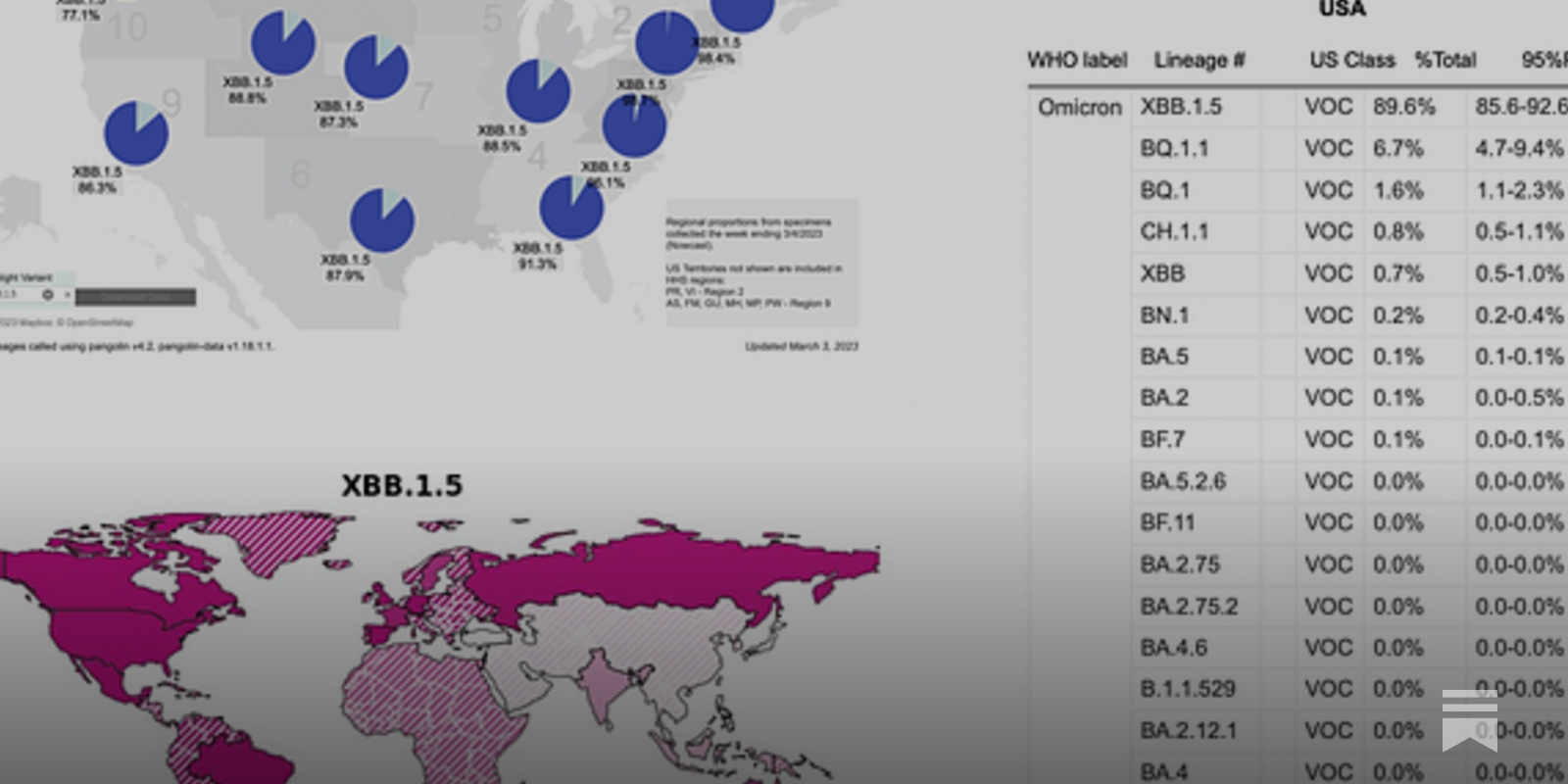
Treatments For Long Covid Draw on Decades-Long HIV Research
Hi, it’s Jason in Melbourne. Despite over $1 billion in research, proven treatments for long Covid remain frustratingly elusive. Now, scientists are hoping drugs for another viral infection offer benefit. Before I explain...
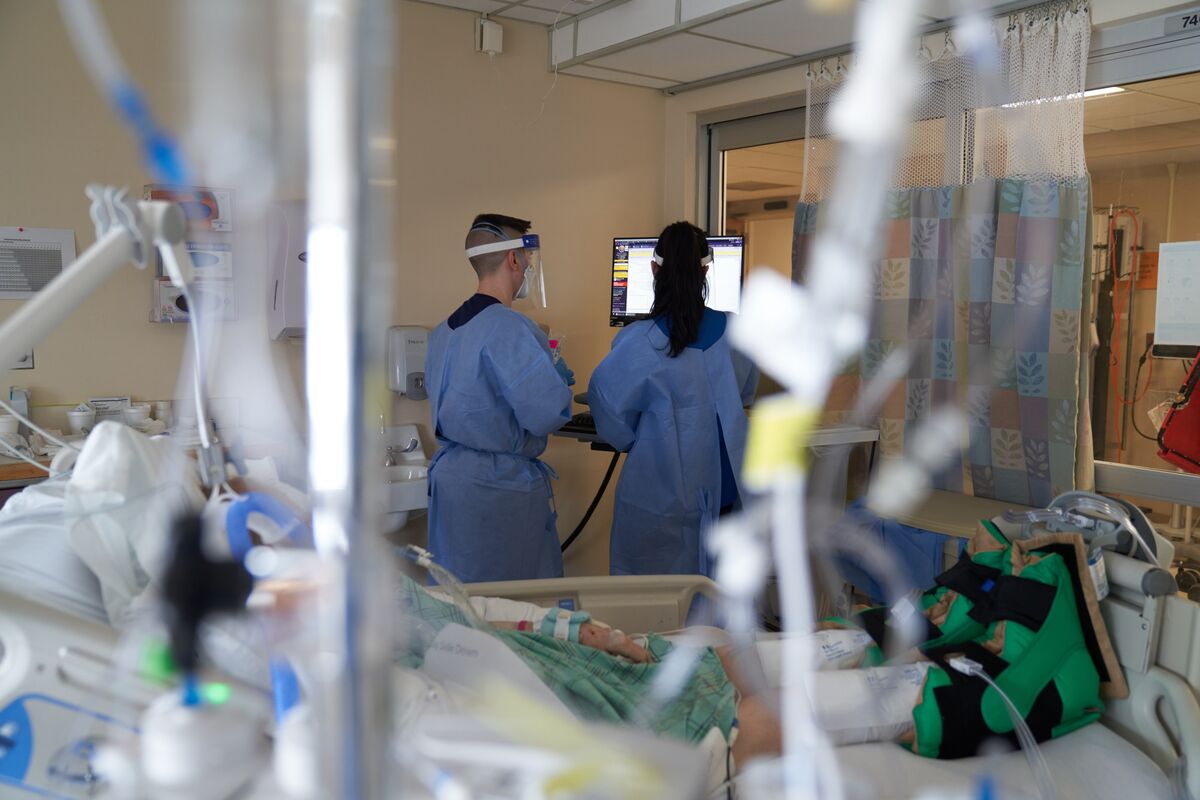
I’m going to cure my girlfriend’s brain tumor.
Launch of an experiment to use AI-Scientists to accelerate research of a "solved" disease.

Four ways COVID changed virology: lessons from the most sequenced virus of all time
After 150,000 articles and 17 million genome sequences, what has science taught us about SARS-CoV-2?
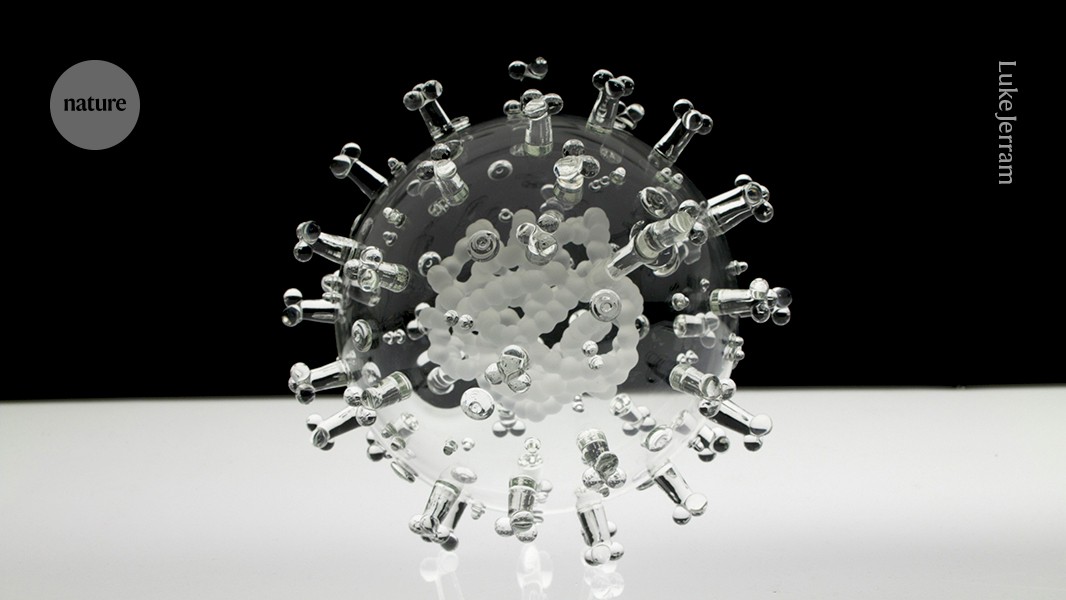
Long COVID still has no cure — so these patients are turning to research
With key long COVID trials yet to yield results, people with the condition are trying to change how clinical trials are done.
Autopsies Reveal the Terrible Damage COVID-19 Can Inflict On the Human Brain - Slashdot
"As COVID-19 relentlessly infects more and more of us, scientists are getting a close look at the strange and frightening damage it can inflict on our bodies," writes Science Alert (in an article shared by long-time Slashdot reader AmiMoJo): We've known since early in the pandemic this disease wreak...
Japan: A study covering 2020–2023 estimated COVID-19 infections were 4.7x higher than officially reported. During Omicron BA.4/5: • Reinfection rate rose from 0.4% (2021) to 28.1% (2023) • Reinfections made up 81.5% of new infections • Findings highlight widespread underreporting and reinfections
