


We need better internet platforms. We're already building them.
RIP social media. What comes next is messy.
As social media splinters, how can we keep the new online spaces from devolving into toxic pits of despair?

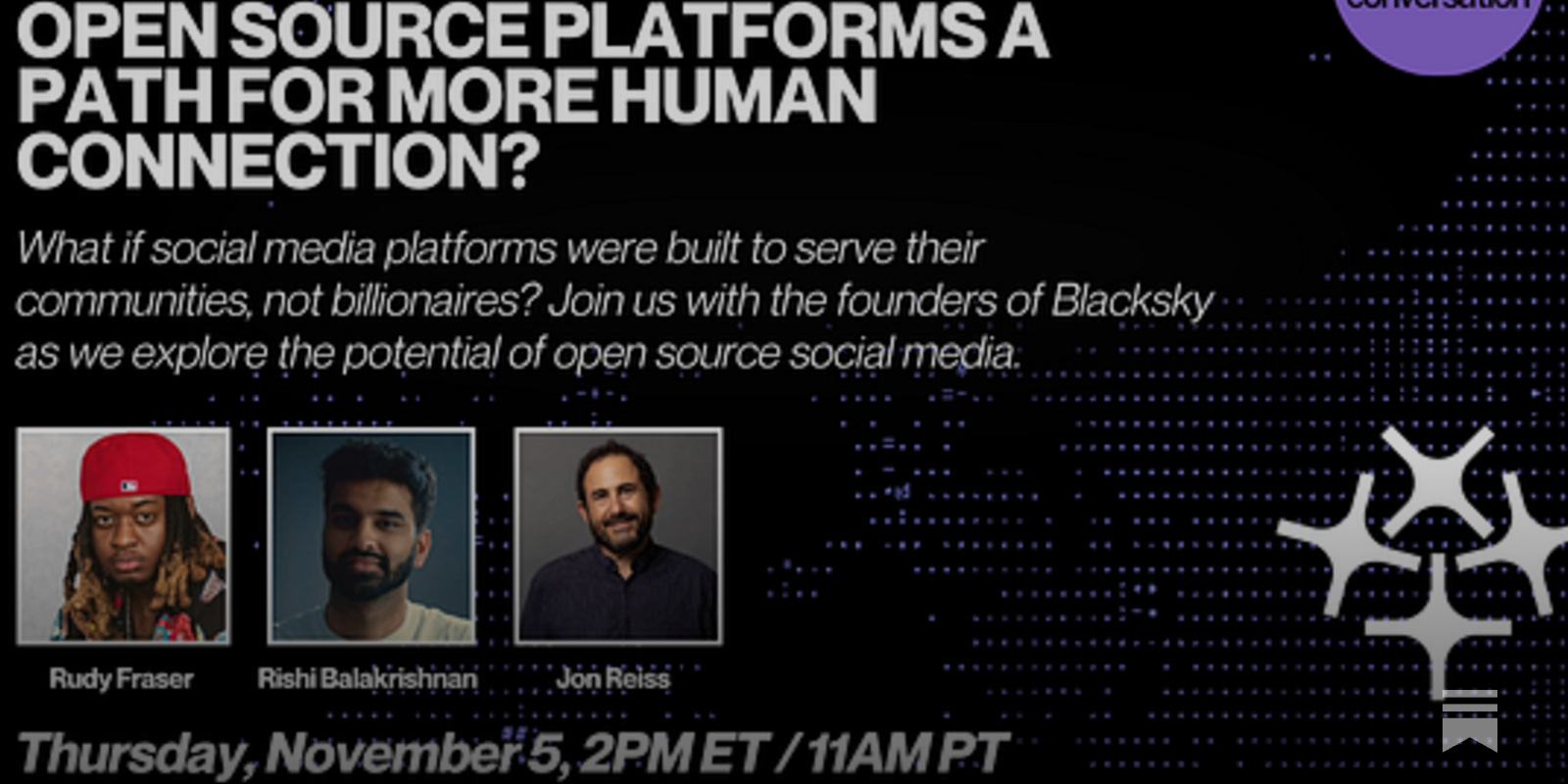
Reclaiming Social Spaces: Are Open Source Platforms a Path for More Human Connection?
What if social media platforms were built to serve their communities, not billionaires? Join us with the founders of Blacksky as we explore the potential of open source social media.
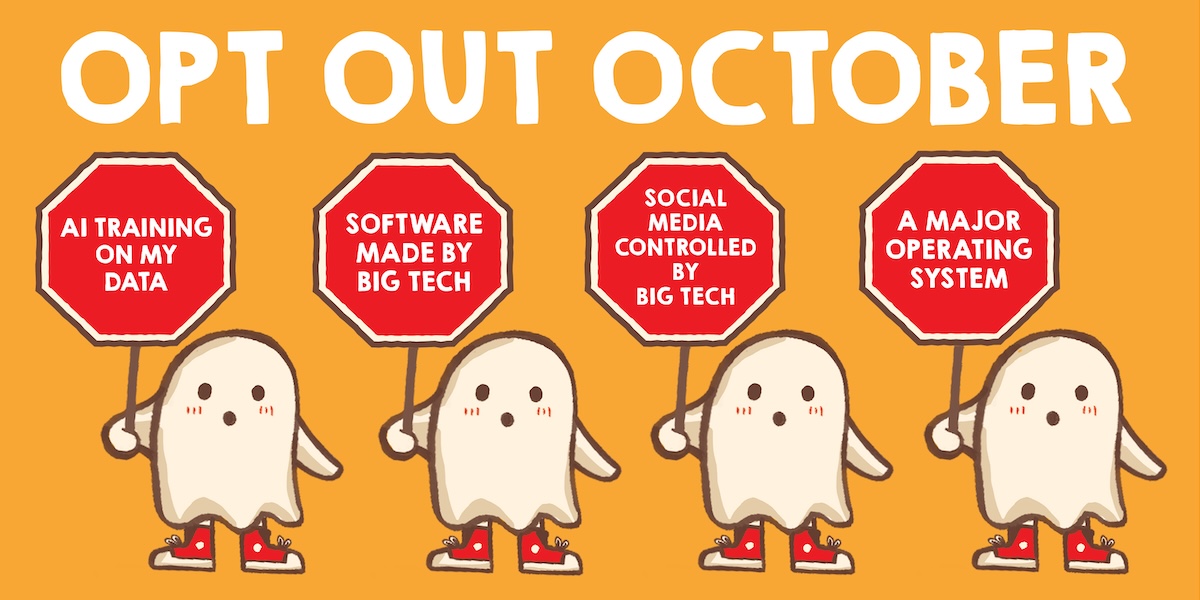
How to Opt Out of Social Media Controlled by Big Tech
It might seem like there are simply no other choices for social media beyond those controlled by big tech companies, but that’s not true at all. In fact, we’re in a golden era of options being built
Death by a thousand likes: How Facebook and Twitter are killing the open web
Here’s one way to understand the symbiotic relationship between publications and platforms in the digital age. Publications depend on advertising dollars to keep producing content, so they need to hold readers’ attention. Big platforms like Facebook and Twitter already have plenty of attention, but they need vast quantities of content to fill up their newsfeeds. It seems natural, then, that publications have started relying on platforms to drive readership.

The future of social media is human
We cannot continue participating in social media platforms which do nothing to stop us being tricked by GenAI and the powerful people/governments that control them.

Social media algorithms can be redesigned to bridge divides — here’s how
"It falls to both the tech companies that built these systems and an engaged public to create technologies designed for social cohesion."
Social Media Is Now Parasocial Media
When practitioners used the term “social media” to describe the internet tools that emerged in the mid-aughts, they were giving a name to the kinds of platforms and protocols that allowed people to socialize with friends and communities of interest by using digital technologies. Twenty years later, users of social media are far more likely to scroll than post – and the content that they consume is often strategically produced and algorithmically curated. In this essay, I argue that the very essence of social media has changed. To more effectively interrogate what we are witnessing, we need to stop presuming that these tools are “social media” and begin recognizing that they are now “parasocial media.” Doing so raises new questions about digitally mediated sociality, not to mention the politics and governance of these platforms.

Improving social media for democratic discourse
Social media have expanded opportunities for communication and political participation, but today's dominant platforms are optimized primarily for engagement and advertising revenue, contributing...

Free Our Feeds
Social media is broken: controlled by a handful of billionaires who shape what people see, say, and believe. These platforms profit from division, exploit user data, and lock people into closed systems.
How Social Media Brings Out the Worst in Us
A new book argues that social media does more harm than good and we might be happier and healthier using it less.
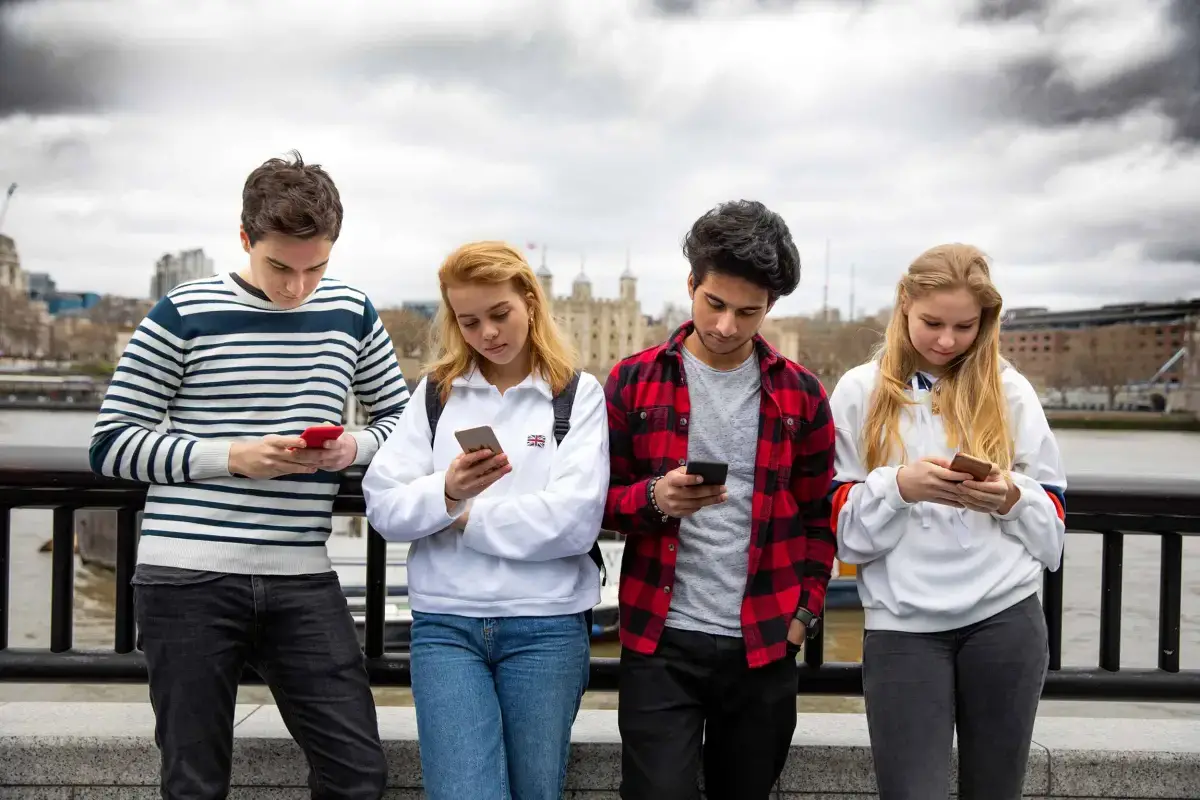
Bluesky & Open Social Media Tech
eny.social – built for you
The way social media should be. Not built for corporations. Not built for clicks. Built for you.
Shifts in U.S. Social Media Use, 2020–2024: Decline, Fragmentation, and Enduring Polarization
The social media ecosystem appears to be in flux. Twitter’s rebranding to X has come to symbolize a broader reorganization of online publics – political reshuffling, user attrition, and uncertainty over the role of legacy platforms. Simultaneously, the shift from text-based, networked feeds toward algorithmically curated, short-form video has accelerated, with TikTok setting the pace for the wider ecosystem [18, 14, 16]. At the same time, everyday communication increasingly migrates from large, open networks to semi-private spaces such as group chats and messaging apps. Commentators describe a digital public sphere in transition: smaller, more fragmented, less dominated by traditional social networking sites, and rise of more broadcast-oriented forms of media – with some even suggesting that we are seeing the beginning of the end of the social media era.
it's not lost on me how critical it is to be building community-driven social technology in this time, because there's a lot we need - more joy, more connection, more education, more agency, and more privacy. breaking out of the box of "social media" - what are the tools we need in these times?
