Children with allergic rhinitis and attention-deficit/hyperactivity disorder (ADHD) should initially be treated for their allergic rhinitis and then monitored for improvement in ADHD symptoms
ADHD and the Alexander Technique
Some people with ADHD have reported benefits in applying some of the ideas from my materials. What could be going on here? My interest in Alexander Technique’s potential relevance to ADHD arose because quite a few people with ADHD who have engaged with my materials have reported improvement in


Richard D. Bartlett on Twitter / X
I absolutely don't know what I'm talking about but I'm forming a theory of ADHD. consequence of an absence of parental leadership in training the kid how to pay attention— Richard D. Bartlett (@RichDecibels) October 28, 2026
Successful People With ADHD Superpowers
Explore stories of successful people who have harnessed their ADHD superpowers to achieve greatness.

How the hypercuriosity of ADHD may have helped humans thrive | Aeon Essays
ADHD isn’t merely a dysfunction. It’s best understood as an impulsive motivational drive for novel information

How the hypercuriosity of ADHD may have helped humans thrive | Aeon Essays
ADHD isn’t merely a dysfunction. It’s best understood as an impulsive motivational drive for novel information
ADHD medication rebound
When ADHD symptoms flare up when ADHD medication is wearing off, it’s called medication rebound. Symptoms can be intense for about an hour during rebound. Learn why rebound happens and what can help.

RETRACTED ARTICLE: Efficacy of oral folinicacid supplementation in children with autism spectrum disorder: a randomizeddouble-blind, placebo-controlled trial
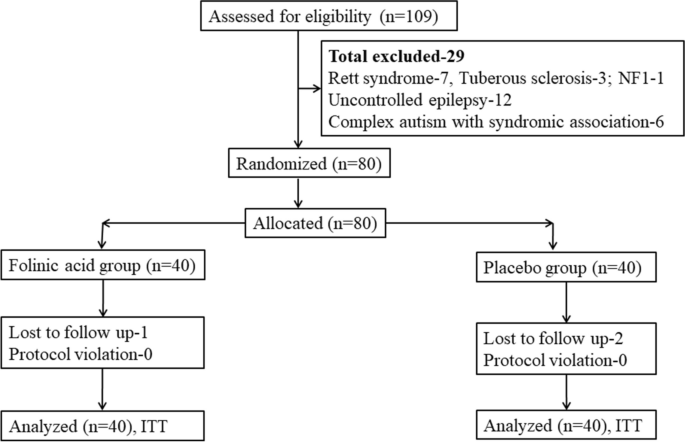
Oral folinic acid has shown potential to improve symptoms in childrenwith autism spectrum disorder (ASD). However, randomized controlled trials (RCTs)are limited. This double-blind, placebo-controlled RCT aimed to compare changes inChildhood Autism Rating Scale (CARS) scores in children with ASD aged 2–10 years,among folinic acid (2 mg/kg/day, maximum of 50 mg/day) and placebo groups at24 weeks, in comparison with baseline. Both the groups received standard care (ABAand sensory integration therapy). Secondary objectives included changes inbehavioral problems measured by the Child Behavior Checklist (CBCL) and serum levelsof anti-folate receptor autoantibodies and folic acid, correlated with changes inautism symptom severity. Out of the 40 participants recruited in each group, 39 and38 participants completed the 24-week follow-up in the folinic acid and placebogroups, respectively. The change in CARS score was higher in the folinic acid group(3.6 ± 0.8) compared to the placebo group (2.4 ± 0.7, p < 0.001). Changes in CBCL total score and CBCL internalizingscore were also better in the folinic acid group (19.7 ± 9.5 vs. 12.6 ± 8.4 and15.4 ± 7.8 vs. 8.5 ± 5.7, p < 0.001 for both).High-titer anti-folate receptor autoantibodies were positive in 32/40 and 33/40cases in the folinic acid and placebo groups, respectively (p = 0.78). In the placebo group, improvement in CARS score wascomparable regardless of autoantibody status (p = 0.11), but in the folinic acid group, improvement was morepronounced in the high-titer autoantibody group (p = 0.03). No adverse reactions were reported in either group.
Occurrence of Psychosis and Bipolar Disorder in Individuals With ADHD Treated With Stimulants
This systematic review and meta-analysis evaluates the association between psychosis or bipolar disorder and stimulant treatment among individuals with attention-deficit/hyperactivity disorder.

High intelligence: A risk factor for psychological and physiological overexcitabilities
High intelligence is touted as being predictive of positive outcomes including educational success and income level. However, little is known about the difficulties experienced among this population. Specifically, those with a high intellectual capacity (hyper brain) possess overexcitabilities in various domains that may predispose them to certain psychological disorders as well as physiological conditions involving elevated sensory, and altered immune and inflammatory responses (hyper body). The present study surveyed members of American Mensa, Ltd. (n=3715) in order to explore psychoneuroimmunological (PNI) processes among those at or above the 98th percentile of intelligence. Participants were asked to self-report prevalence of both diagnosed and/or suspected mood and anxiety disorders, attention deficit hyperactivity disorder (ADHD), autism spectrum disorder (ASD), and physiological diseases that include environmental and food allergies, asthma, and autoimmune disease. High statistical significance and a remarkably high relative risk ratio of diagnoses for all examined conditions were confirmed among the Mensa group 2015 data when compared to the national average statistics. This implicates high IQ as being a potential risk factor for affective disorders, ADHD, ASD, and for increased incidence of disease related to immune dysregulation. Preliminary findings strongly support a hyper brain/hyper body association which may have substantial individual and societal implications and warrants further investigation to best identify and serve this at-risk population.
Methylphenidate Treatment and Risk of Psychotic Disorder
This cohort study of a Finnish national multiyear birth cohort uses instrumental variable analysis to investigate whether methylphenidate alters the long-term risk of psychotic disorder in children with attention-deficit/hyperactivity disorder.

The Kids Who Beat Autism (Published 2014)
New research suggests that one in 10 autistic children sheds symptoms before adulthood. But no one knows why they do — or why others do not.

Methylphenidate and Short-Term Cardiovascular Risk
This cohort study examines the risks of cardiovascular disease after 6 months of methylphenidate treatment in individuals with attention-deficit/hyperactivity disorder.

Supplements for MCAS and Histamine Intolerance | The EDS Clinic
Managing Mast Cell Activation Syndrome (MCAS) and histamine intolerance involves a combination of medications, lifestyle changes, and dietary supplements. Supplements, in particular, can play a critical role in helping to reduce symptoms by stabilizing mast cells, reducing inflammation, and improving overall health.
Hyperactive–impulsive ADHD traits predict higher curiosity in adults: evidence from a cross-sectional study
Attention-deficit/hyperactivity disorder (ADHD) is typically framed in terms of difficulties with sustained attention, behavioral regulation, and impulse control, yet growing work suggests that some associated traits may also relate to potentially adaptive tendencies. Curiosity has been highlighted in qualitative research as one such trait that can function as both a strength and a challenge for adults with ADHD, but quantitative evidence examining its relationship to ADHD traits remains limited. This study examined whether ADHD traits are associated with individual differences in trait curiosity in adults.