

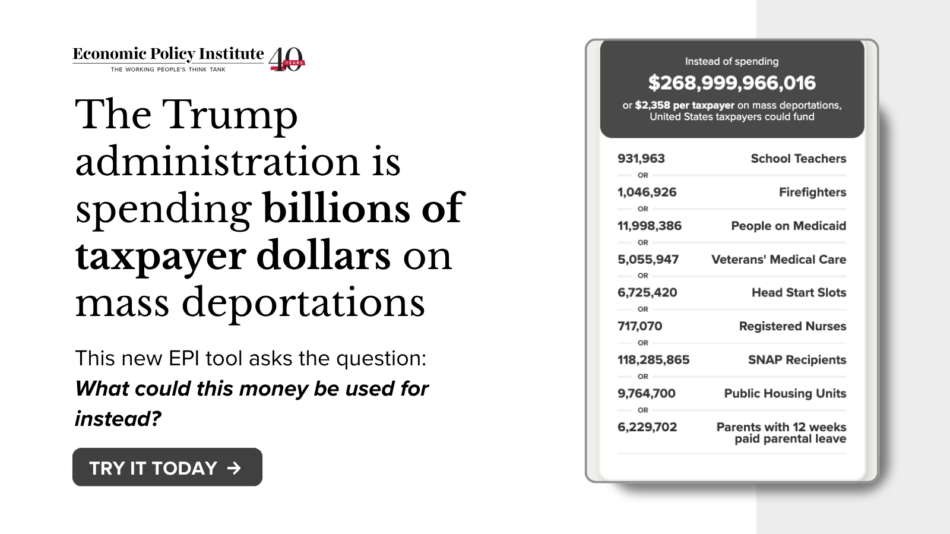
The Trump administration is taking billions of _your_ taxpayer dollars to pay for mass deportations. The Cost of Deportations Calculator shows what could this money be used for instead.
Immigrant Deportations: Trends and Impacts | Econofact
Research on previous episodes of increased immigration enforcement sheds light on the impact deportations can have on labor markets, crime, and civic life.
Deportation Data Project
The Deportation Data Project obtains, posts, and analyzes internal U.S. government immigration enforcement data via public records litigation.
The Largest Mass Deportation in American History | HISTORY
Up to 1.3 million people may have been swept up in the campaign.

Third Country Deportation Watch
Monitoring the human cost of the U.S. government’s forced third country transfer agreements.

What is Trump’s third-country deportation policy and who does it target?
Key questions answered about scheme that has sent more than 25,000 people to countries that are not their own

Deportation Data Project
The Deportation Data Project at UC Berkeley and UCLA uses public records litigation to obtain, post and analyze U.S. government immigration enforcement data.
The Deportation Project : Révélations sur les expulsions de masse de l'administration Trump - Forbidden Stories
72 journalistes, 26 médias, 15 pays : une enquête internationale sur les expulsions de masse de l'administration Trump

One Year of Immigration Enforcement Under the Second Trump Administration – Deportation Data Project
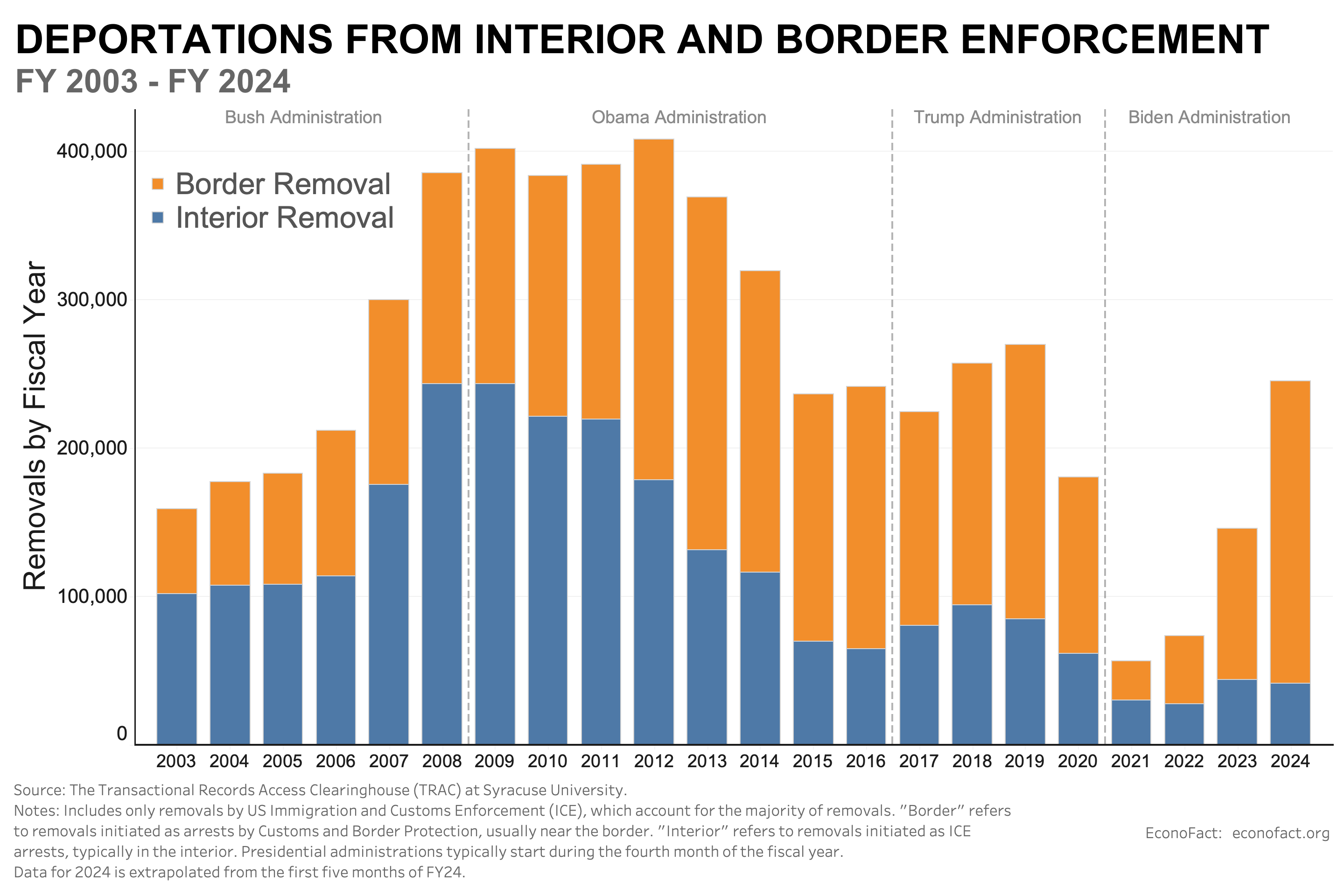
The story of immigration enforcement in the first year-plus of the second Trump administration is a story of a drastic increase in interior immigration enforcement: enforcement that occurs within the United States, usually far from the border. Interior deportations surged to five times their pre-inauguration level (see Figure 1).1
The Deportation Project: Inside the Trump administration's secret deals to expel people worldwide - Forbidden Stories
72 journalists, 26 news organizations, 15 countries: a global investigation into the Trump administration’s secret third-country deportation system
Lawyers see imminent decision in third-country deportation case
The forthcoming ruling could reshape the Trump administration’s third-country deportation program.

Banished to alien lands: Trump’s secret deportation deals
After a plane journey in shackles, an Iranian woman found herself in the middle of Africa in a country she did not know existed. She is one of thousands deported from the US on the back of shadowy deals made with dozens of countries. An in-depth investigation reveals the ‘show of force’ costing American taxpayers millions

Immigration Enforcement in Los Angeles Under the Second Trump Administration – Deportation Data Project
We rely on our online visual tools to create this report, which means that you can click on any one of the figures and adjust time periods, breakouts, and other aspects to dig into the data in more detail. You can also swap out the Los Angeles ICE area of responsibility for another region to reproduce these figures for your own area of interest.
ICE Deportation Flights Are Getting Longer and Crueler
A private equity–owned airline profits off Trump’s migrant crackdown.

Exactly. I’ve been saying this since I started the tracker last year, and it’s why I don’t call them deportations. gillianbrockell.com/tracking-all-of-trumps-third-…

Emperor Alexipros I Komnenos
It’s not “third-country deportation,” it’s an extraordinary rendition, complete with torture and enforced silence by the “host” country’s thugs. And it’s a direct consequence of never imposing punishment on the CIA for doing this during the War on Terror.
Third-country removals

Search terms: ICE, CBP
Immigration fees in the US
Taxes on visas and other immigration-related fees, especially those increased or implemented in 2025–
The Deportation Project: Inside the Trump administration's secret deals to expel people worldwide - Forbidden Stories
What is Trump’s third-country deportation policy and who does it target?
Banished to alien lands: Trump’s secret deportation deals

Exactly. I’ve been saying this since I started the tracker last year, and it’s why I don’t call them deportations. gillianbrockell.com/track…

EXCLUSIVE: Cuban Asylum Seeker Deported to Africa Without ID, Money, or Cell Phone ~ L.A. TACO
Third-country deportations: Guantanamo Bay (by あ) — Semble

Taxes on High-Skill Immigration: Demand and Supply Response in the International Student-OPT-Work Visa Pipeline

Exclusive | U.S. Weighs $100,000 Fee for Foreign Students Wanting to Work After Graduation

The US President's new proposal to tax international students has been approved by the White House for release this week. It's an unpreceden…
