


My principles for deciding what to work on and how to build it.
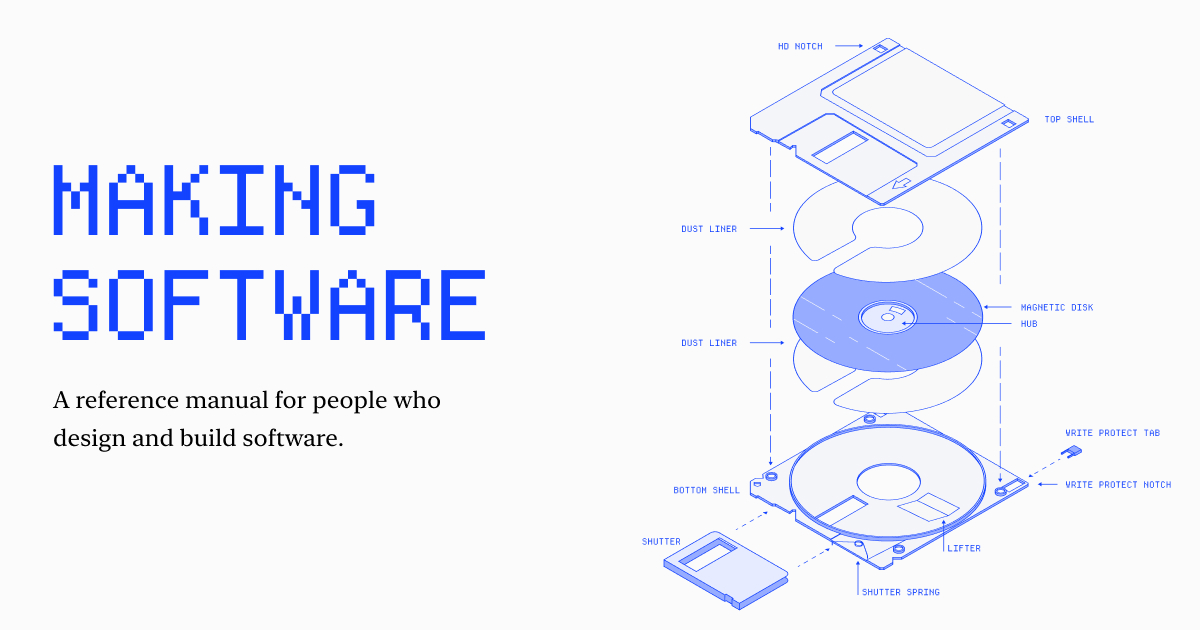
Laws of Software Engineering
A collection of principles and patterns that shape software systems, teams, and decisions.

Building personal tools by programming

values based software talks
Talk #3 Files, algorithms, media, software as lived practice, and personal software
Kit-of-No-Parts
Conventionally electronics that are built from a kit-of-parts have been optimized for speed, efficiency and repeatability of assembly. While this approach demonstrates the power of modular systems that have made many of the technologies we rely on possible, it also constrains us to particular styles of building, influencing what we build as well as impacting how we come to think about electronics. A Kit-of-No-Parts demonstrates a new approach to building electronics that emphasizes the expressive qualities of diverse materials as well as the skill and creativity of the builder. I believe that a more insightful and skilled process is also capable of producing more intelligible and personal results. In order to promote a different approach I have developed a series of techniques that allow us to build electronics using a variety of craft materials and tools. This website documents these techniques in the form of “recipes”. Besides containing instructions on how to build electronics these recipes are also detailed accounts of my development process that aim to promote further exploration and material investigation, instead of straightforward replication. This website is both the documentation and result of my thesis work towards a masters degree in the High-Low Tech research group at the MIT Media Lab. My thesis describes A Kit-of-No-Parts as an approach to crafting electronics, rather than designing discrete components. While the thesis has been written and handed in, this website remains a work in progress. I continue to add new information and update the existing. >> Download Thesis
Kit-of-No-Parts
Conventionally electronics that are built from a kit-of-parts have been optimized for speed, efficiency and repeatability of assembly. While this approach demonstrates the power of modular systems that have made many of the technologies we rely on possible, it also constrains us to particular styles of building, influencing what we build as well as impacting how we come to think about electronics. A Kit-of-No-Parts demonstrates a new approach to building electronics that emphasizes the expressive qualities of diverse materials as well as the skill and creativity of the builder. I believe that a more insightful and skilled process is also capable of producing more intelligible and personal results. In order to promote a different approach I have developed a series of techniques that allow us to build electronics using a variety of craft materials and tools. This website documents these techniques in the form of “recipes”. Besides containing instructions on how to build electronics these recipes are also detailed accounts of my development process that aim to promote further exploration and material investigation, instead of straightforward replication. This website is both the documentation and result of my thesis work towards a masters degree in the High-Low Tech research group at the MIT Media Lab. My thesis describes A Kit-of-No-Parts as an approach to crafting electronics, rather than designing discrete components. While the thesis has been written and handed in, this website remains a work in progress. I continue to add new information and update the existing. >> Download Thesis
How To Validate Product Ideas Before (And After) Building Them
People spend too much time writing software relative to speaking to potential customers, prior to launching and after it. Reversing that is a win.
Paco Coursey
Crafting interfaces. Webmaster at Linear. Building polished software and web experiences.

Learning To Write Software… Is Hard - Zicklag's Leaflets
But it's also good — Musings about the last year of Roomy development, and more.
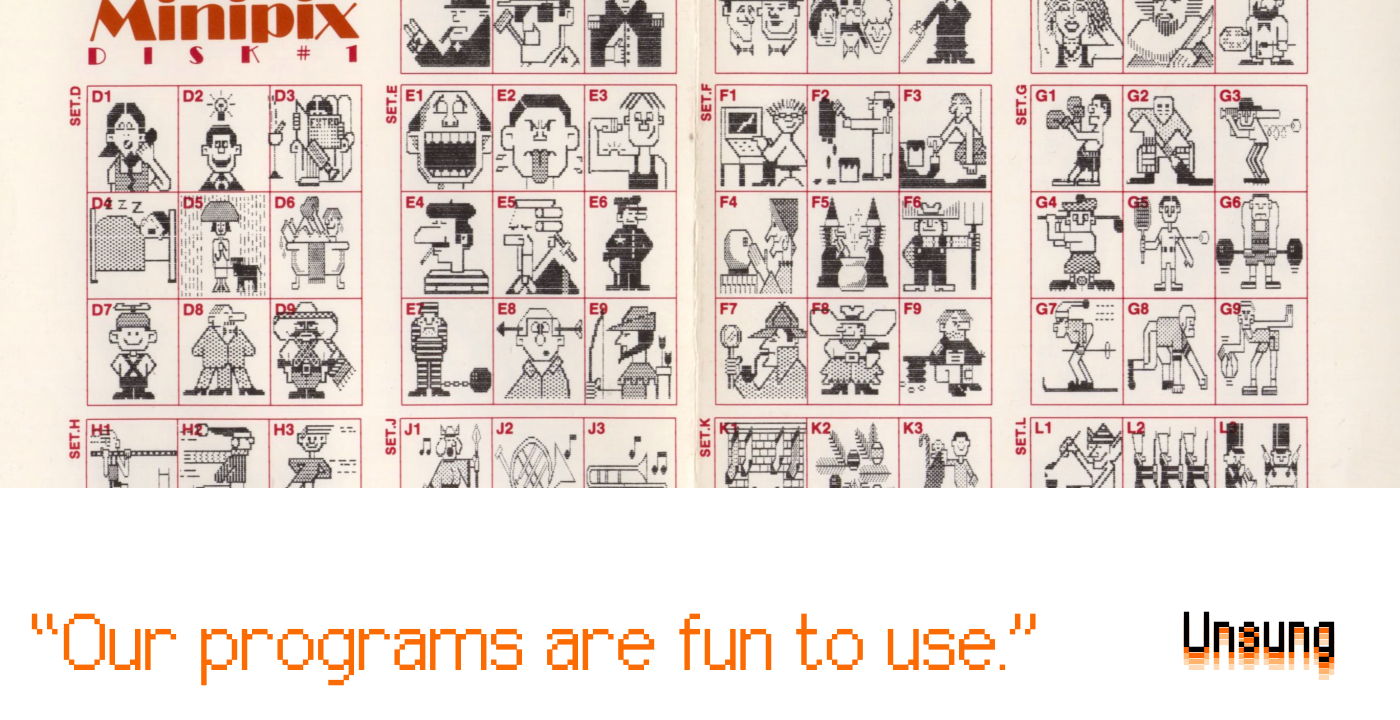
“I think there’s a lot of value in these.” – Unsung
A blog about software craft and quality

The Foundation for your Design System
A set of beautifully designed components that you can customize, extend, and build on. Start here then make it your own. Open Source. Open Code.
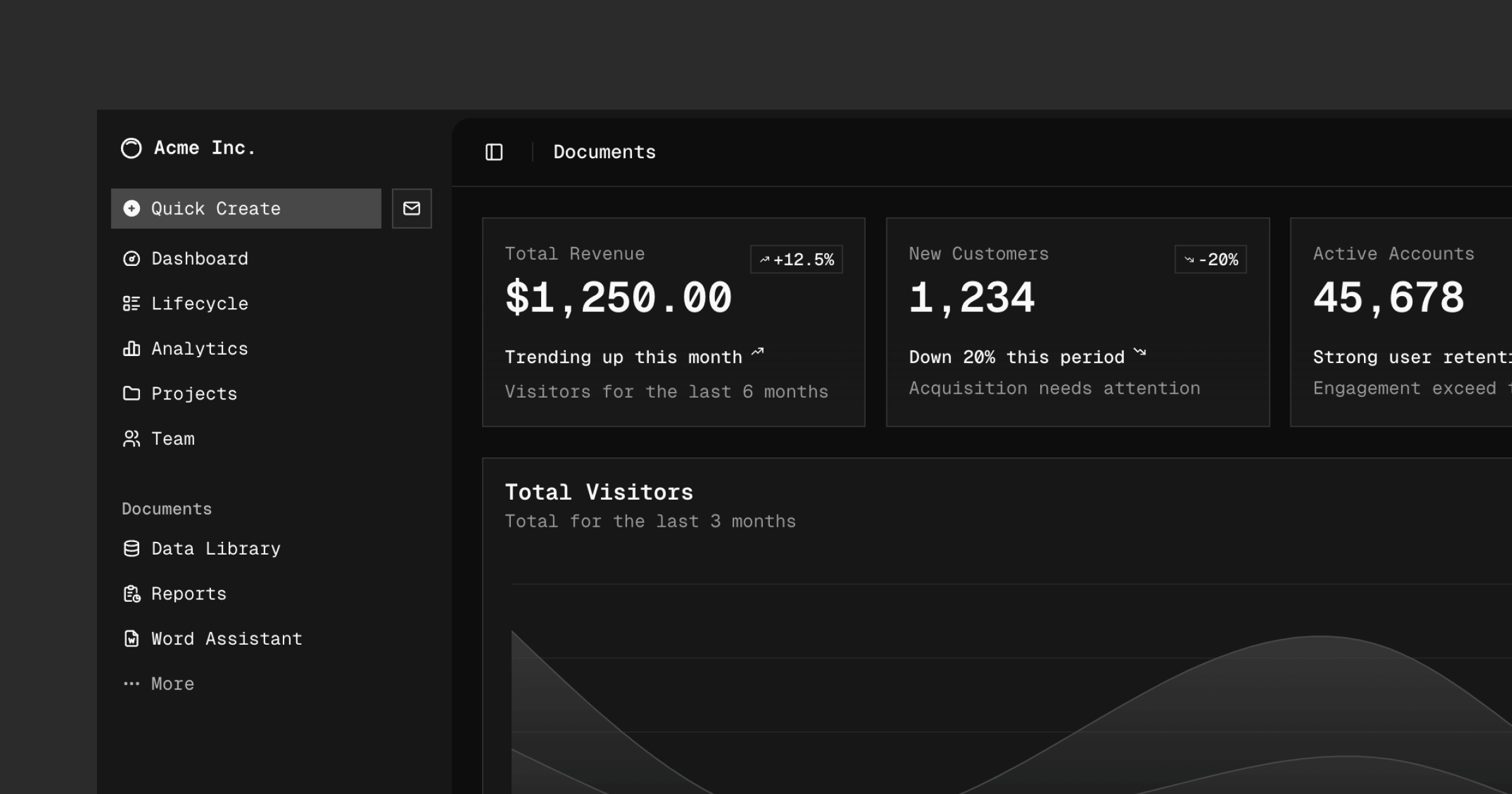
The golden rules of agent-first product engineering
Five principles for building products that work well for AI agents and MCP servers.
Docs as Code: The Best Guide for Technical Writers
Recently, my work has involved writing a lot of documentation and. Doing this has introduced me to...

I *love* everything about this, just read those principles, it’s like, the best of the best standards development knowledge condensed beautifully: howethomas.github.io/ietf-hackathon-125/
The Design of the Internet, Revealed by Conversation
howethomas.github.io
