

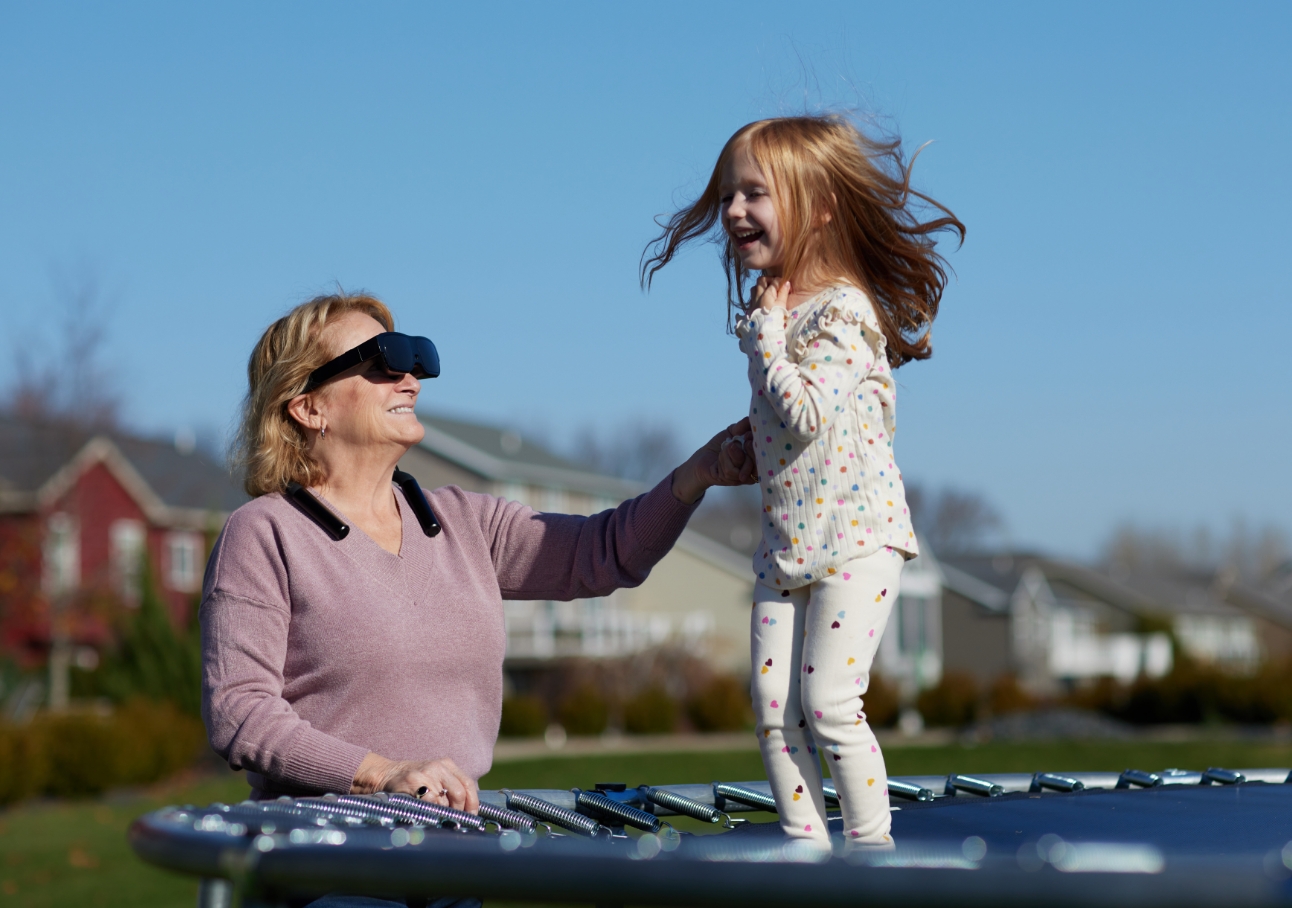
eSight is the most advanced all-in-one device for people with visual impairment. Fill out our online form to learn if eSight could help you.
Artificial intelligence-powered smart vision glasses for the visually impaired
Purpose: In India, 4.80 million people are blind, and 4.69 million have severe visual impairment. Globally, the digital era and the advent of artificial intelligence devices offer solutions for daily challenges faced by the visually impaired, but they are often expensive. This study evaluates the acceptance and usability of a cost-effective AI-powered spectacle-mounted assistive device in a multicentric Indian cohort. Methods: Smart vision glass (SVG) is a lightweight tool, mounted on a spectacle frame with braille-coded keys and a real-time voice interface for guiding the visually impaired, and is connected to a smartphone Android App. The four major functions of the device are as follows: “Things Around You,” “Reading,” “Walking Assistance,” and “Face Recognition.” Ninety participants were recruited from five vision rehabilitation centers across India, and feedback was collected after a month’s usage. Results: The mean age of the participants was 23.5 years (range: 6 to 56 years) with 58.9% male; 51% from rural areas; and 64.4% students. As per the World Health Organization (WHO) classification, 90% of the participants were blind (best corrected visual acuity in better eye less than 3/60). A total of 100% of the participants were able to access all the functions of the SVG. Participants reported a positive experience with “Reading” (72.9%), “Things Around You” (44.7%), “Face Recognition” (36.5%), and “Walking Assistance” (22.4%). About 2/3rd of the participants utilized the device for an hour or more per day. Conclusion: SVG is a promising cost-effective device for the blind and severe visually impaired in aiding their day-to-day challenges and becoming self-reliant.

Envision Glasses
AI-powered smartglasses that articulate everyday visual information into speech, providing independence and possibilities for people who are blind or have low vision.

Smart Glasses for Disabled People
This paper introduces an innovative assistive technology aimed at improving the quality of life for individuals with visual impairments. This project presents a system that combines the capabilities You Only Look Once [6] (YOLO) deep learning algorithm with the ESP32 [7] microcontroller to create Object Detection Glasses. These glasses employ real-time object detection to provide users with auditory feedback about their surroundings, enabling them to navigate and interact with their environment more independently. The first task of the glasses is to take pictures of the object and store it as a snap. The second task is that they compare the captured image to the existing image. In order to convert the text into speech, it used Text to Speech technology (TTS). The picture will be taken by ESP 32 with the perfect size the image will be displayed and then by using the speaker the object will be detected. The integration of YOLO [6] and ESP32 [7] offers a cost-effective and efficient solution for enhancing accessibility and inclusivity, promoting greater autonomy and safety for individuals with visual disabilities.
Is Meta Using Disabled People to Promote Its Glasses?
AI glasses are a double-edged sword for disabled people, who face unique risks from surveillance.

How AI Glasses Are Empowering People With Disabilities
Our AI glasses are empowering people with disabilities to perform daily tasks with greater independence.

Smart glasses controversy sidelines the benefits for disabled people | Letter
Letters: Guardian readers reflect on the ableism rife in the debate about Ray-Ban Meta eyewear, despite the life-changing difference they can make
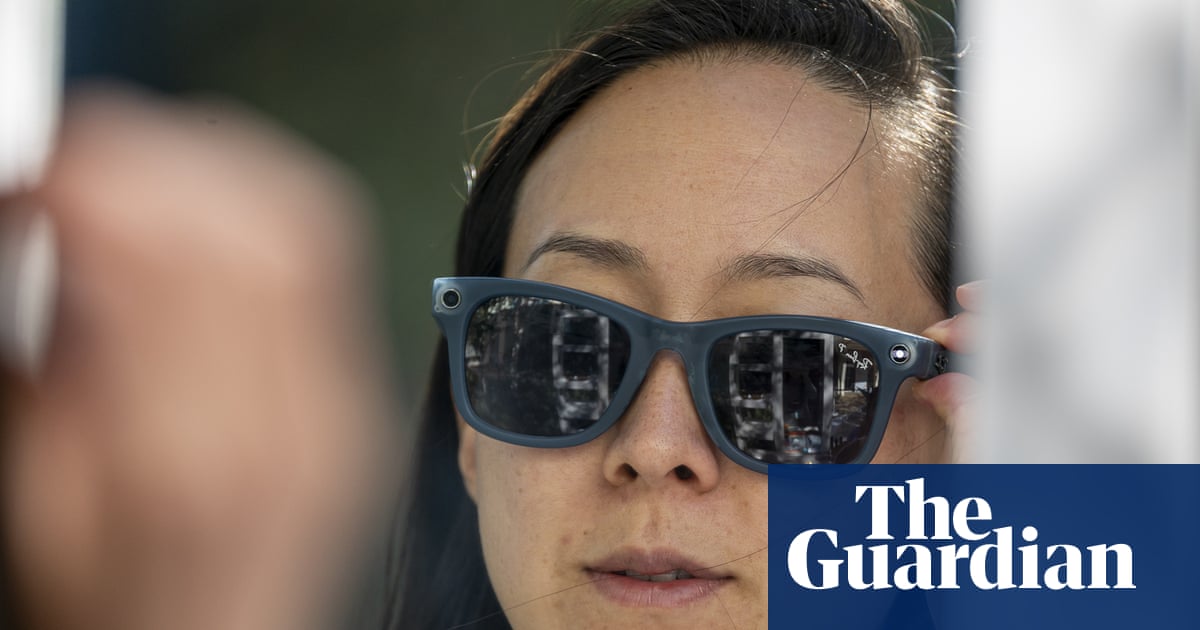
Smart glasses controversy sidelines the benefits for disabled people | Letter
Letters: Guardian readers reflect on the ableism rife in the debate about Ray-Ban Meta eyewear, despite the life-changing difference they can make
Ubiquitous Accessibility for People with Visual Impairments: Are We There Yet?
Ubiquitous access is an increasingly common vision of computing, wherein users can interact with any computing device or service from anywhere, at any time. In the era of personal computing, users with visual impairments required special-purpose, assistive technologies, such as screen readers, to interact with computers. This paper investigates whether technologies like screen readers have kept pace with, or have created a barrier to, the trend toward ubiquitous access, with a specific focus on desktop computing as this is still the primary way computers are used in education and employment. Towards that, the paper presents a user study with 21 visually-impaired participants, specifically involving the switching of screen readers within and across different computing platforms, and the use of screen readers in remote access scenarios. Among the findings, the study shows that, even for remote desktop access—an early forerunner of true ubiquitous access—screen readers are too limited, if not unusable. The study also identifies several accessibility needs, such as uniformity of navigational experience across devices, and recommends potential solutions. In summary, assistive technologies have not made the jump into the era of ubiquitous access, and multiple, inconsistent screen readers create new practical problems for users with visual impairments.
Escher Circuits: Using Vision to Perform Computation
esolangs, esoplatforms, esosystems, and all that break from the norms of computing

Study Finds Growing Workplace Use of Smart Glasses and Generative AI Among Workers with Visual Impairments | Naric
A study funded by the National Institute on Disability, Independent Living, and Rehabilitation Research (NIDILRR).
A Review of the Ray-ban Meta AI Glasses for People With Low Vision
In the small group of professional certified vision rehabilitation therapists (CVRT), to which I belong, it is not uncommon for us to use the term “magic glasses.” These are the glasses some of our clients hope to find that will improve or restore their vision. It makes sense—in that for many of them, a new prescription once brought things back into focus. Vision loss from macular degeneration, glaucoma, diabetes, and other conditions is usually something that can be managed with proper care, but vision is not typically restored to what it once was. Still, the myth or hope for the magic glasses persists.

SpecAssist: Smart Glasses with Real-time speech recognition and transcription for the hearing impaired
Download Reference Data on IJERT | On 01-07-2023 by Noel Jacob, Rajat Mathew, Sathwik P Nair, Prof. Divya Sunny published SpecAssist: Smart Glasses with Real-time speech recognition and transcription for the hearing impaired
Assisting blind people with AI and audio using smart glasses: system design with YOLOv8 variants comparisons
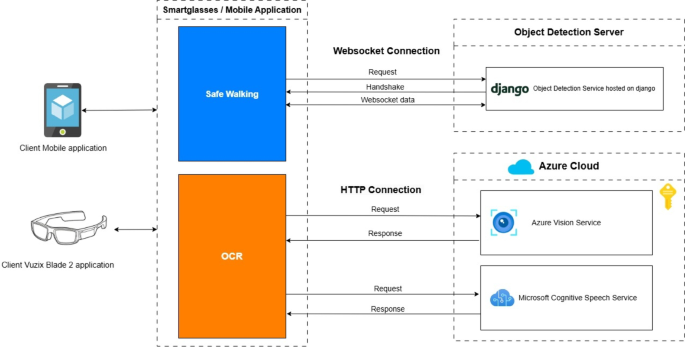
This paper introduces a novel system design leveraging Vuzix Blade 2 smart glasses to enhance the mobility and independence of visually impaired individuals. The study critically examines existing assistive navigation and object detection technologies, identifying their limitations and gaps. The designed system integrates real-time object detection, distance estimation, and OCR functionalities, providing auditory feedback through a robust and efficient pipeline. The designed application enhances the independence and safety of visually impaired individuals, particularly in navigating university campuses. A dataset comprising 15,951 annotated images from the university campus was used for training and evaluation. A comparative analysis of three YOLOv8 models (YOLOv8-N, YOLOv8-S, and YOLOv8-M) was conducted, balancing accuracy and computational efficiency to optimise system performance. The pipeline also offers a comprehensive framework for developers and researchers to build inclusive systems combining AR, computer vision, and AI. Results show high object detection accuracy (precision: 0.90, recall: 0.83) and reliable distance estimation with a minor error of 0.33 m. Results demonstrate the system’s capability to detect obstacles within one meter, provide precise distance estimation, and convert textual information into speech, validating its potential for real-world applications. This study emphasises the significant role of AI-driven solutions in advancing assistive technologies, paving the way for more accessible and inclusive navigation systems. Compared with recent assistive systems such as Smart Cane (He in CCF Trans. Pervasive Comput. Interact. 5:382–395, 2023), OrCam MyEye (Amore in J. Med. Syst. 47:11, 2023), and IrisVision (Gopalakrishnan in Comparison of visual function analysis of people with low vision using three different models of augmented reality devices, 2024), the proposed system demonstrates superior integration of detection, text recognition, and real-time feedback within a lightweight wearable device.
Smart Glasses as Disability Assistive Tech

/filters:format(webp)/filters:no_upscale()/prod01/cdn/media/stirling/news/news-centre/2025/aug-25/1200X630Hearingaid.jpg)
Artificial intelligence-powered glasses could be a gamechanger for those with hearing loss | About | University of Stirling
Too risky for the road but safe for schools? Rethinking smart glasses in the science classroom
SpecAssist: Smart Glasses with Real-time speech recognition and transcription for the hearing impaired
The use of wearable technology to measure and support abilities, disabilities and functional skills in autistic youth: a scoping review

ADAMAAS: Towards Smart Glasses for Mobile and Personalized Action Assistance

(PDF) Smart glasses for remote assistance: analysing usability and optimal user characteristics among young adults with and without autism