

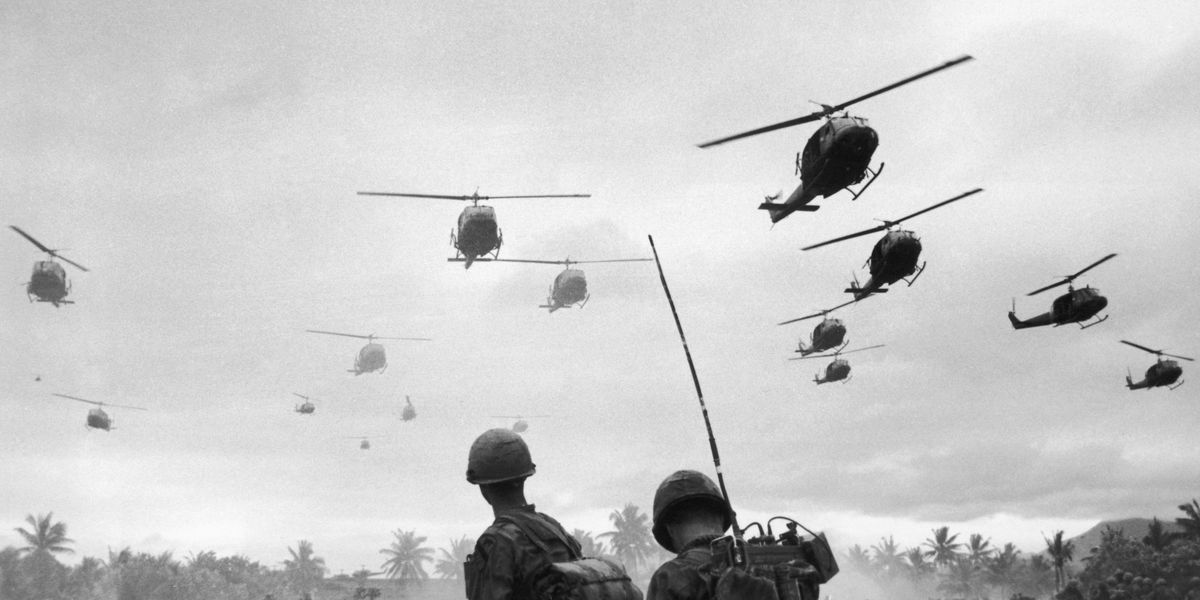
Alfred Kazin wrote that war is the enduring condition of twentieth-century man. He was only partly right.

The obsolescence of man, vol I , part 2: The world as phantom and as matrix: philosophical considerations on radio and television - Günther Anders
The first complete English translation of a remarkable 1956 essay about television from Vol. I of The Obsolescence of Man by Günther Anders, who—using phenomenological analyses, excerpts from his diaries and reflections on daily life—depicts a capitalist world that manufactures a warped “mass-man” by imposing nonparticipation, consumption of images, artificial “needs” (“drug addiction is the model for today’s needs”), separation, “conditioning”, an eternal present, commodified leisure and the dissolution of the individual in vapid mass produced roles, in a text that in many ways anticipates the theory of the “spectacle” of Guy Debord and the situationists.
Great Men and how they are upheld
Part of a series, Autonomy, Diversity, Society. Posts about our roles, relationships and governance. No article in this section is meant to stand alone, there will be a lot more coming soon that wi…


The Myth of Allied Technological Inferiority
World War II, The Free Press, and the Problematic Use of History in Contemporary Media
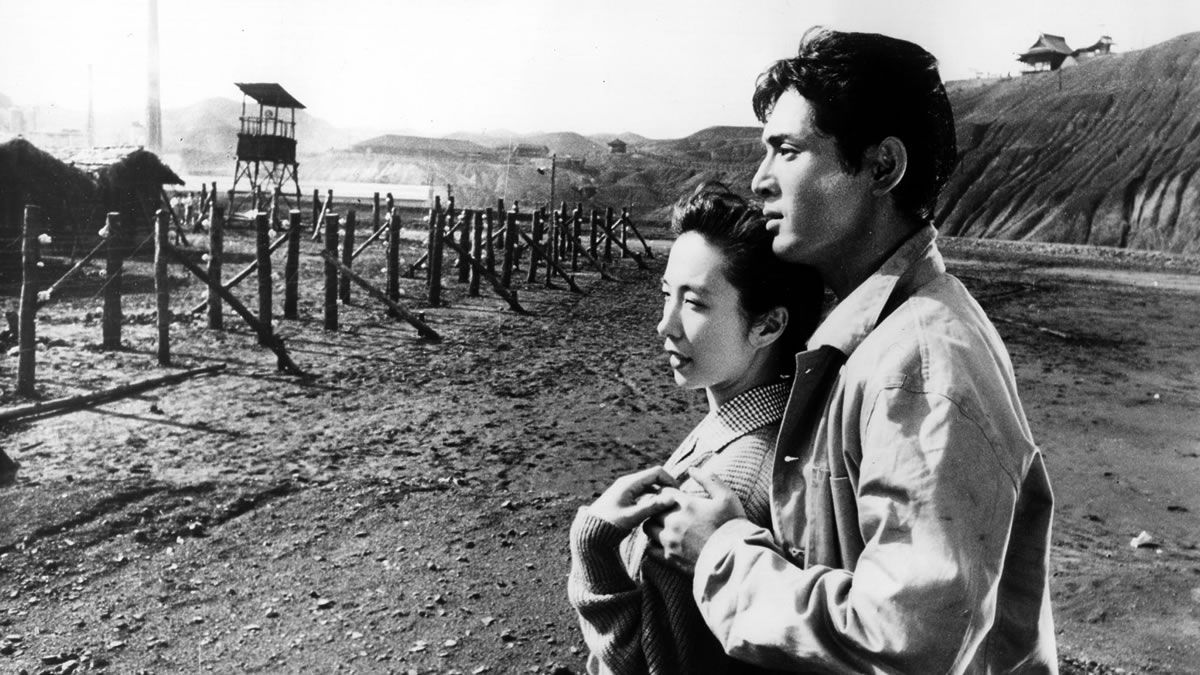
The Human Condition I: No Greater Love (1959)
After handing in a report on the treatment of Chinese colonial labor, Kaji is offered the post of labour chief at a large mining operation in Manchuria, which also grants him exemption from military…
The Forever War (The Forever War, #1)
The Earth's leaders have drawn a line in the interstell…

Why do we collect things?
Desire, nostalgia, loss, and completeness in the personal collections of Joseph Cornell, Peter Blake, and Vladimir Nabokov

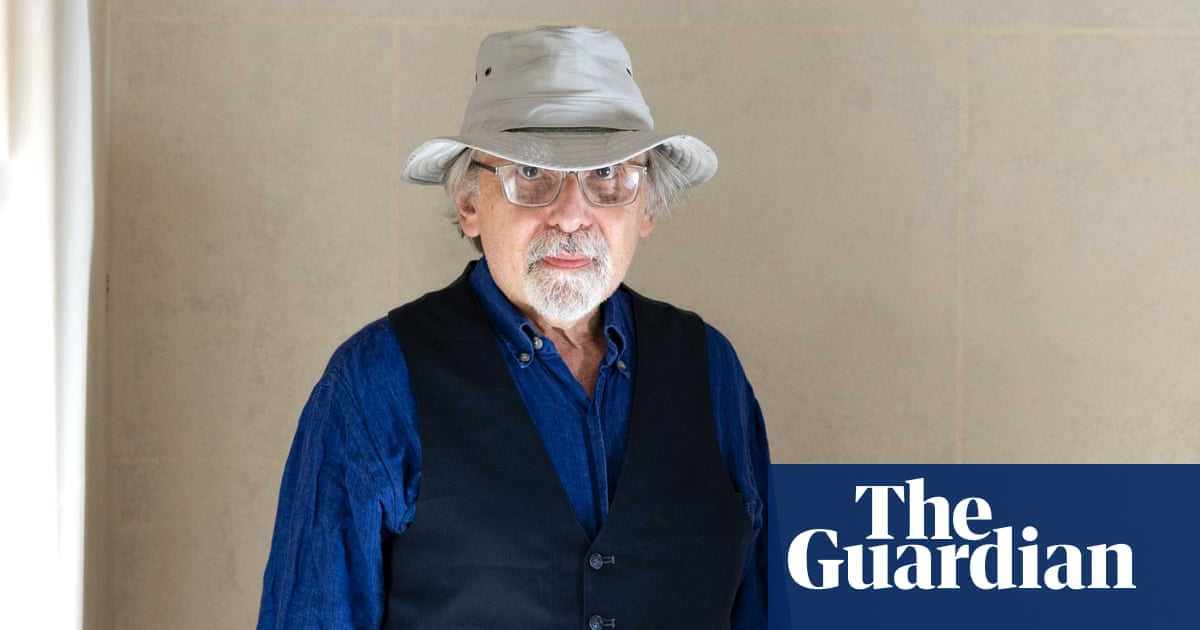
Art Spiegelman: ‘The US needs a counter-revolution’
More than four decades after his Holocaust story Maus transformed the graphic novel genre, Art Spiegelman discusses Trump, the shadow of 9/11 and the rise of fascism in America
What Francis Fukuyama Is Seeing at 'The End of History'
Francis Fukuyama's essay “The End of History?” was published in the summer of 1989, a few months before the fall of the Berlin Wall. The essay's argument — that liberal democracy would not…

The Fifth Book of Peace by Maxine Hong Kingston | East Bay Booksellers
A NEW YORK TIMES NOTABLE BOOK • From the National Book Award-winning author of China Men and The Woman Warrior comes a work weaving fiction and memoir into a luminous meditation on war and peace, devastation and renewal.
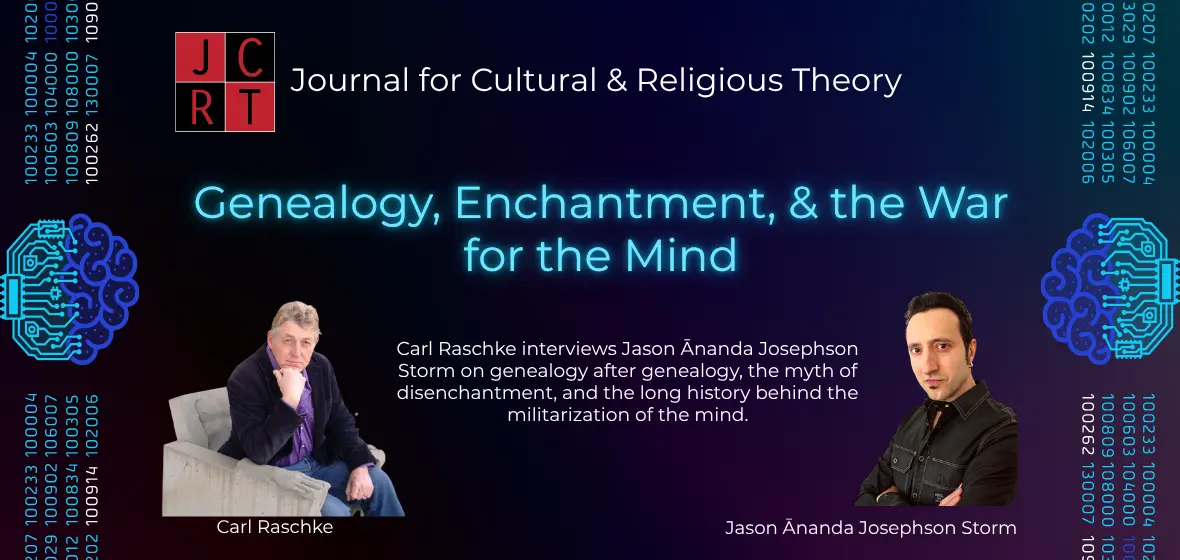
Genealogy, Enchantment, and the War for the Mind | The Journal for Cultural and Religious Theory | JCRT
Carl Raschke interviews Jason Ānanda Josephson Storm on genealogy after genealogy, the myth of disenchantment, and the long history behind the militarization of the mind.
Imagined communities: reflections on the origin and spread of nationalism
What makes people love and die for nations, as well as …

1,000 True Fans
This is an edited, updated version of an essay I wrote in 2008 when this now popular idea was embryonic and ragged. I recently rewrote it to convey the core ideas, minus out-of-date details. This revisited essay appears in Tim … Continue reading →

010 - Greg Stoker on Iran, U.S. Imperialism, and Why the Wars Never Stop
An Army of Lovers by David Buuck | East Bay Booksellers
"This experimental work is not for the faint of heart, but it is laced with meditations that will appeal to readers concerned with poetry’s role in the world.