


A 125 St subway should be a slam dunk. But at $7.7B and with stations more than 100 ft underground, it would be the most expensive subway in the world, and cost riders more than 5 minutes every trip before ever stepping on a train. By using international best practices & building more shallowly,
Victorian premier plans to make $2b saving on Suburban Rail Loop
Underground station interchanges and "complex pedestrian bridges" are among the things to go, according to the state government.
Play Your Tubes Right
Which London Underground journey is faster? Test your tube knowledge!

Penn Station redesign can increase volume of train traffic by one-third: feds
A study by the feds says there’s untapped potential in the tracks beneath New York Penn Station — and that a series of changes can be implemented in Penn’s upcoming redesign to improve train throughput by up to 33%.

The cost of driving versus using a bike and transit (or: how to save over $7,000 a year)
I thought it would be fun to find out: how much money did I save in 2025 by cycling and using transit compared to using a car as my primary way of getting around?

Why Public Transportation Works Better Outside the U.S.
The widespread failure of American mass transit is usually blamed on cheap gas and suburban sprawl. But the full story of why other countries succeed is more complicated.

Ode to the Shanghai Metro - Phoebe Lemon
Wayfinding has many applications, and arguably the most important one is public transportation systems. Granted, there are many different ways to design such a system, and the politics and culture of the environment in which it will be integrated certainly plays a large role. Interestingly, often when we discuss transportation systems on the global scale, individuals are so quick to praise New York or London’s metro systems, Europe’s “high speed” rail system, or how “Uber is the most original new technology cities have seen”. All of these statements are subjective, but somehow they’ve become accepted fact, especially in the West, and I argue that anyone who gives European/American public transport that much praise is blissfully living in a bubble. As an international student who grew up in America and has visited most of its major cities, lived in China for two years, and is now studying in the Middle East, I’ve had the opportunity to use almost every public transportation system to exist. Old fashion taxis, the Maglev, high speed trains, shared bikes, shared mopeds, carpools, the bus, the metro, I have used them all, but nothing quite compares to the way China does public transport.

Gary Marcus on Twitter / X
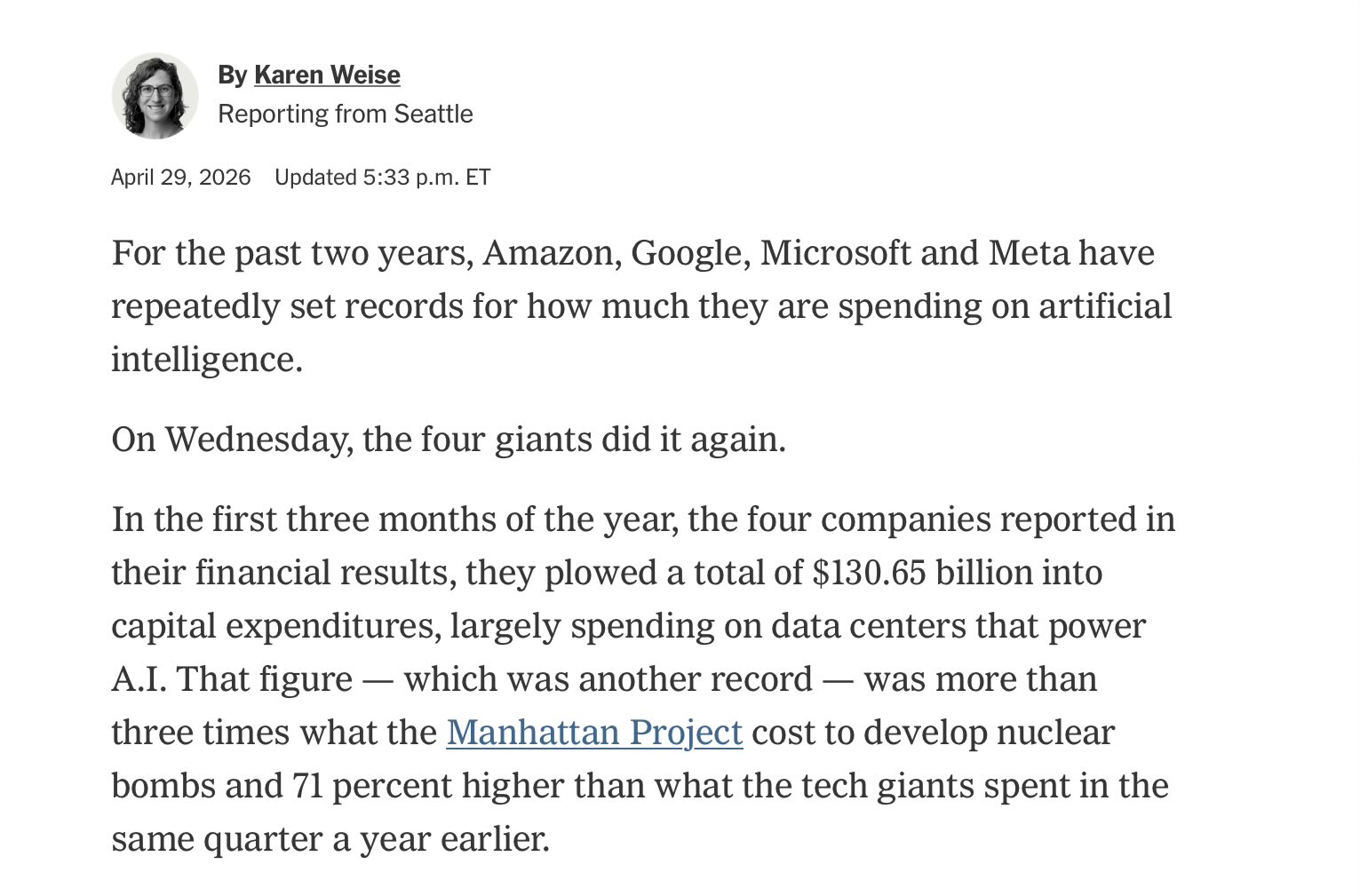
Sheer insanity. Amazon, Google, Microsoft, and Meta collectively are spending more money than the Manhattan Project *every single month*. More than 12x the Manhattan Project every year.And what they have got to show for it? None are making major profits on AI; none has a… pic.twitter.com/1XeMRxDcQX— Gary Marcus (@GaryMarcus) April 29, 2026
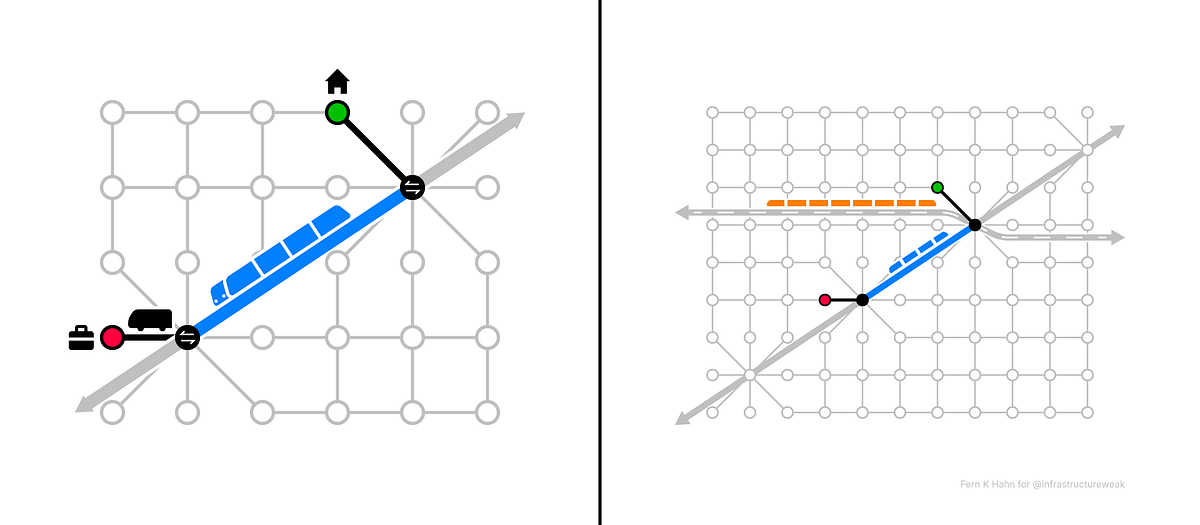
Plan the Geary metro right, right now
Part 1: Strong corridor; tight station spacing; frequent trains
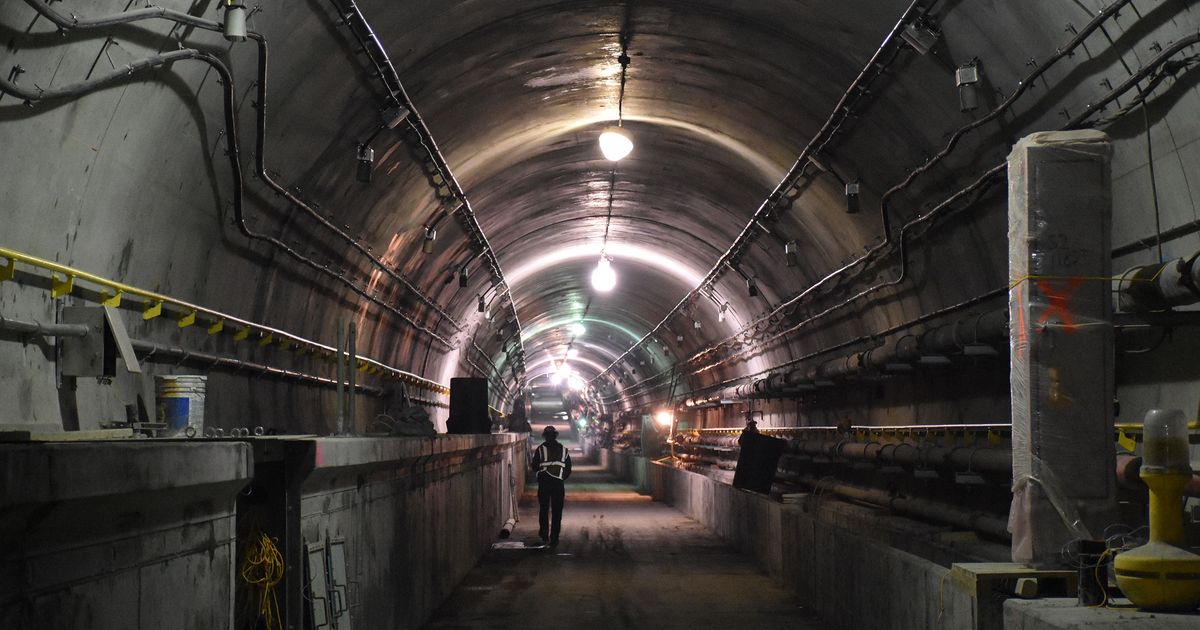
Why We Can’t Figure Out Why Infrastructure Is So Expensive
And why it’s going to be so expensive to find an answer.
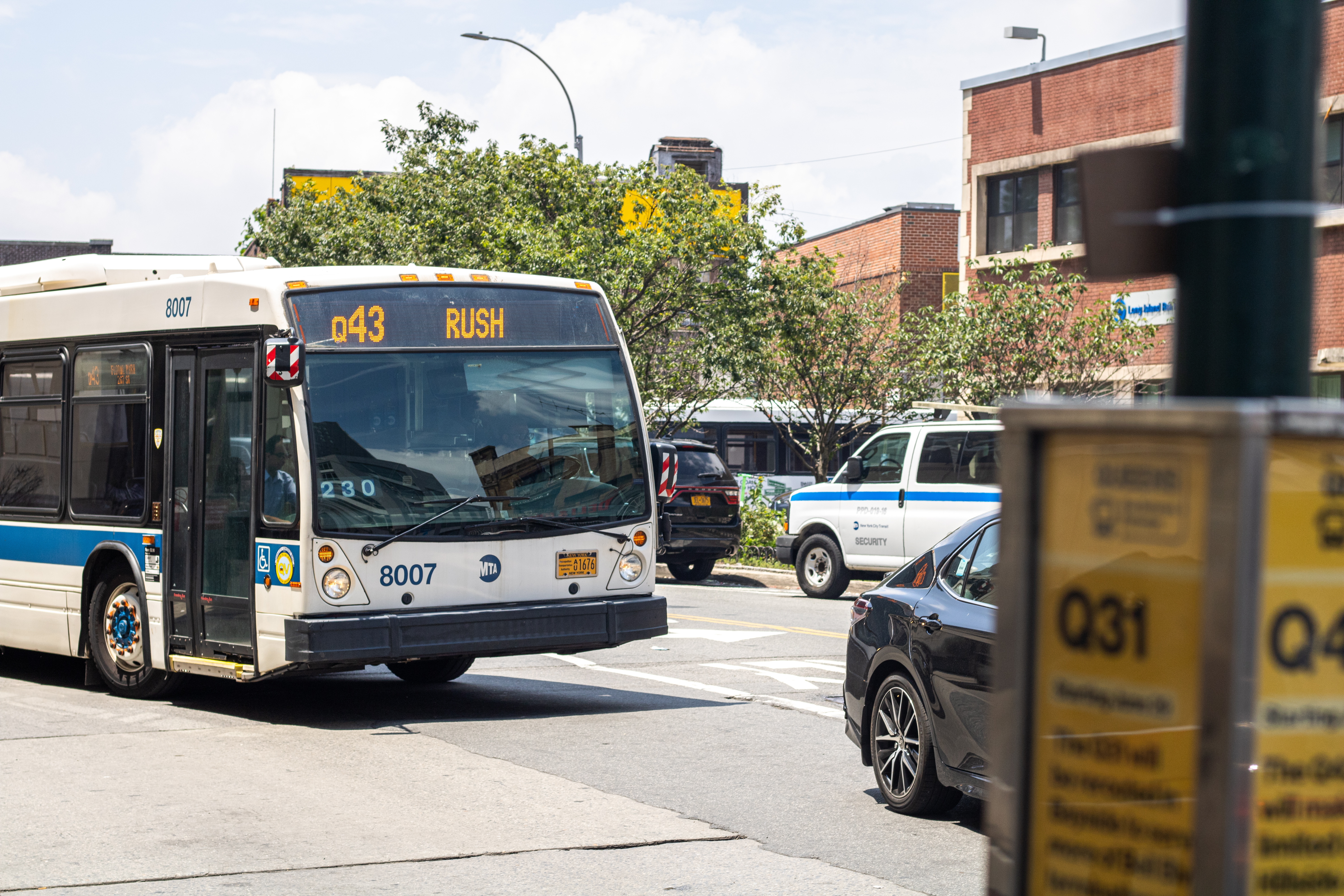
Wheels Up: City Bus Speeds Hit Four-Year High Under Mayor Mamdani - Streetsblog New York City
Citywide bus speeds hit 8.5 mph in August, which is the quickest buses have moved through the city in four years
Regression to the Tail: Why the Olympics Blow Up
The Olympic Games are the largest, highest-profile, and most expensive megaevent hosted by cities and nations. Average sports-related costs of hosting are $12.0

Regression to the Tail: Why the Olympics Blow Up
The Olympic Games are the largest, highest-profile, and most expensive megaevent hosted by cities and nations. Average sports-related costs of hosting are $12.0
Regression to the Tail: Why the Olympics Blow Up
The Olympic Games are the largest, highest-profile, and most expensive megaevent hosted by cities and nations. Average sports-related costs of hosting are $12.0
People’s Choice Offers Internet Cheaper Than Tapwater
A new option for cheaper internet for New York City residents is on its way.

LA was supposed to have a no-cost Olympics in 2028. The city has already spent $27 million
LA was supposed to have a no-cost Olympics in 2028. City Controller Kenneth Mejia is tracking spending inside the city, including about $11 million to pay workers in various city departments.

The 15-minute city isn’t a conspiracy: it’s already here
Conspiracy theorists have the plot wrong but the symptom right: economic hardship is already limiting how far people can go
