


By Pascal Lamy, Vice-President Fondation Jacques Delors-Friends of Europe, and Christophe Leclercq, Founder of Euractiv and Europe MediaLab “To take control of its own destiny, Europe must have its own information platforms.” On 12 November, the European Commission will unveil its “Democracy Shield”, a framework designed to protect societies from disinformation and foreign interference. […]
Trusted European social networks to protect democracy
Faced with the domination of American and Chinese platforms and the rise of digital interference, several European players are calling for support for the emergence of "Trusted European Platforms". The challenge: to build social networks anchored in Europe, founded on trust, sovereignty and sustainable business models.
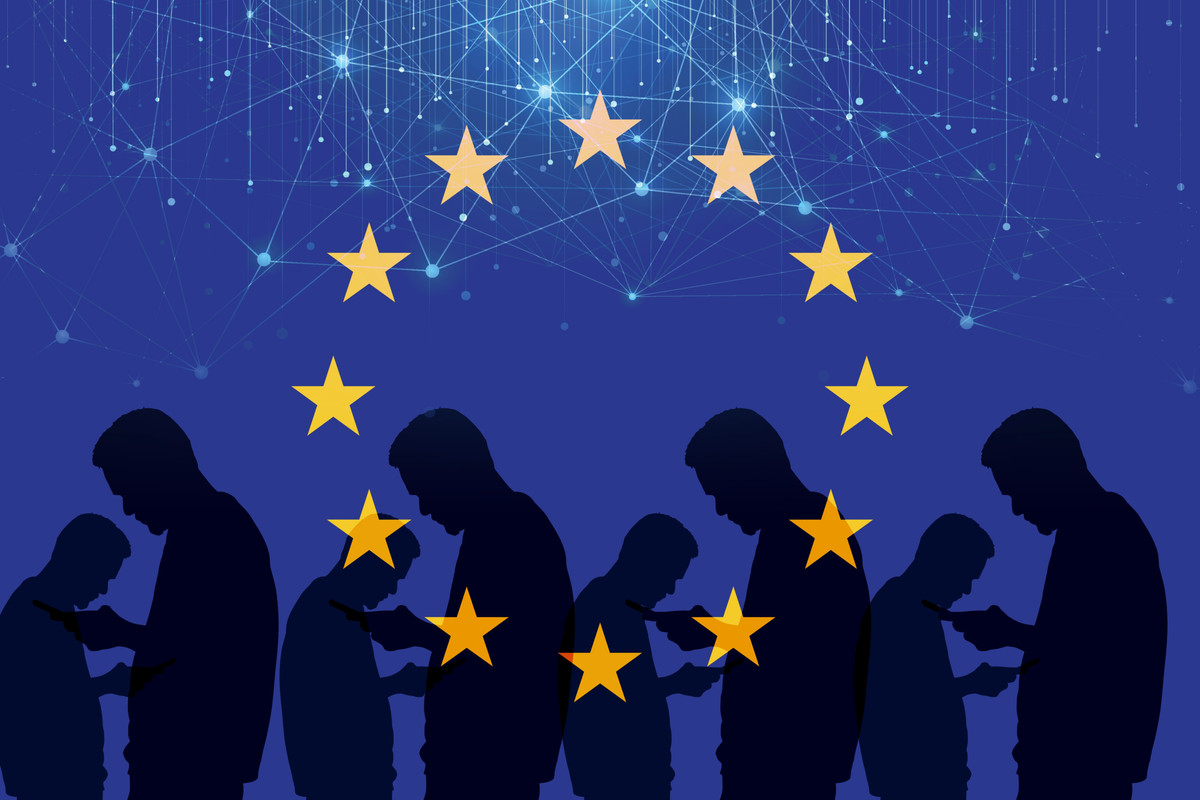
Scoping report: Future challenges to democracy | CoP CC on Participatory and Deliberative Democracy
The report from the European Commission identifies 10 key challenges and emerging trends impacting European democratic systems and suggests future policy options. These challenges are structured across three interconnected levels: citizens and societal dynamics, the information and knowledge environment, and institutions and the democratic system. This framework aims to provide a comprehensive and integrated view of democracy as a connected ecosystem, emphasising how challenges in one area can affect the entire system.
Fractured reality - Publications Office of the EU
The report examines the evolving impact of digital technologies on European democracy. In an era of a global struggle to control the information space, this report offers critical insights into the fracturing of perceived realities, the rise of the ‘fantasy-industrial complex’, and the systemic risks posed by the attention economy. It exposes how platforms algorithmically prioritise engagement over accuracy, reinforcing ideological echo chambers and amplifying mis- and disinformation that erode democratic resilience. The report highlights how structural incentives and foreign control of the most important players in the information space undermine information integrity, collective knowledge and civic discourse. In response, the report presents a number of recommendations from fostering alternative public spaces and crowd-sourced knowledge systems to reforming business models, restoring user agency, and advancing EU digital sovereignty through decentralised infrastructure
Fractured reality
The report examines the evolving impact of digital technologies on European democracy. In an era of a global struggle to control the information space, this report offers critical insights into the fracturing of perceived realities, the rise of the ”fantasy-industrial complex,” and the systemic risks posed by the attention economy. It exposes how platforms algorithmically prioritise engagement over accuracy, reinforcing ideological echo chambers and amplifying mis- and disinformation that erode democratic resilience. The report highlights how structural incentives and foreign control of the most important players in the information space undermine information integrity, collective knowledge and civic discourse. In response, the report presents a number of recommendations from fostering alternative public spaces and crowd-sourced knowledge systems to reforming business models, restoring user agency, and advancing EU digital sovereignty through decentralised infrastructure.
Fractured reality
The report examines the evolving impact of digital technologies on European democracy. In an era of a global struggle to control the information space, this report offers critical insights into the fracturing of perceived realities, the rise of the ‘fantasy-industrial complex’, and the systemic risks posed by the attention economy. It exposes how platforms algorithmically prioritise engagement over accuracy, reinforcing ideological echo chambers and amplifying mis- and disinformation that erode democratic resilience. The report highlights how structural incentives and foreign control of the most important players in the information space undermine information integrity, collective knowledge and civic discourse. In response, the report presents a number of recommendations from fostering alternative public spaces and crowd-sourced knowledge systems to reforming business models, restoring user agency, and advancing EU digital sovereignty through decentralised infrastructure
Fractured reality: how algorithms fuel polarisation and affect democracy
Attention-driven business models and foreign control over key online platforms challenge EU democracy.

The architecture of the internet creates risks for democracy
Will democracy survive the internet? Do we need to choose between Facebook’s surveillance capitalism or democracy? Layered lines of evidence can inform questions like these. When considered together, the evidence gives rise to a concerning picture, as summarized in a recent report for the European Commission that I co-led.

MediaLab Board and Team
Christophe Leclercq Executive Chairman Christophe Leclercq is a French media entrepreneur, first founding of EURACTIV Media Network, now chairing the think-do-tank Europe MédiaLab. Mr Leclercq was on the EU’s High-Level Expert Group on disinformation, and is now on the Advisory Council of EDMO (European Digital Media Observatory). Before his media career, he was strategy consultant with McKinsey and then […]
The Authoritarian Stack
How Tech Billionaires Are Building a Post-Democratic America — And Why Europe Is Next
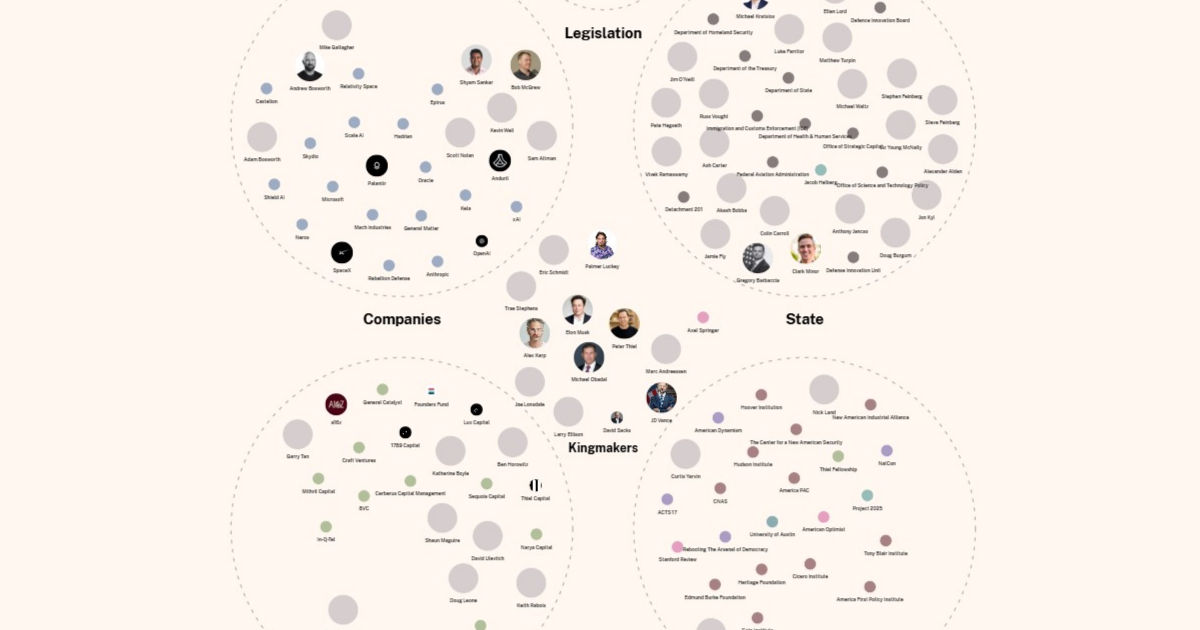
The Authoritarian Stack
How Tech Billionaires Are Building a Post-Democratic America — And Why Europe Is Next
9 Trusted European Platforms (TEPs) Laureates: A New Generation of European Social Media
As a step toward European digital sovereignty, Europe MediaLab (formerly Fondation Euractiv) and an Attribution Committee announce the first 9 Trusted European Platforms (TEPs) label laureates. Recipients come from 7 European countries, and range from “National Champions” (3) to “European Challengers” (4) and “Beginners” (2). Europe’s public debates rely heavily on foreign platforms, exposing Europeans […]

Public Service Social Media as a Democratic Safeguard | TechPolicy.Press
Christine Galvagna proposes an EU fund to support decentralized, public service focused social media networks to protect digital rights and democracy.
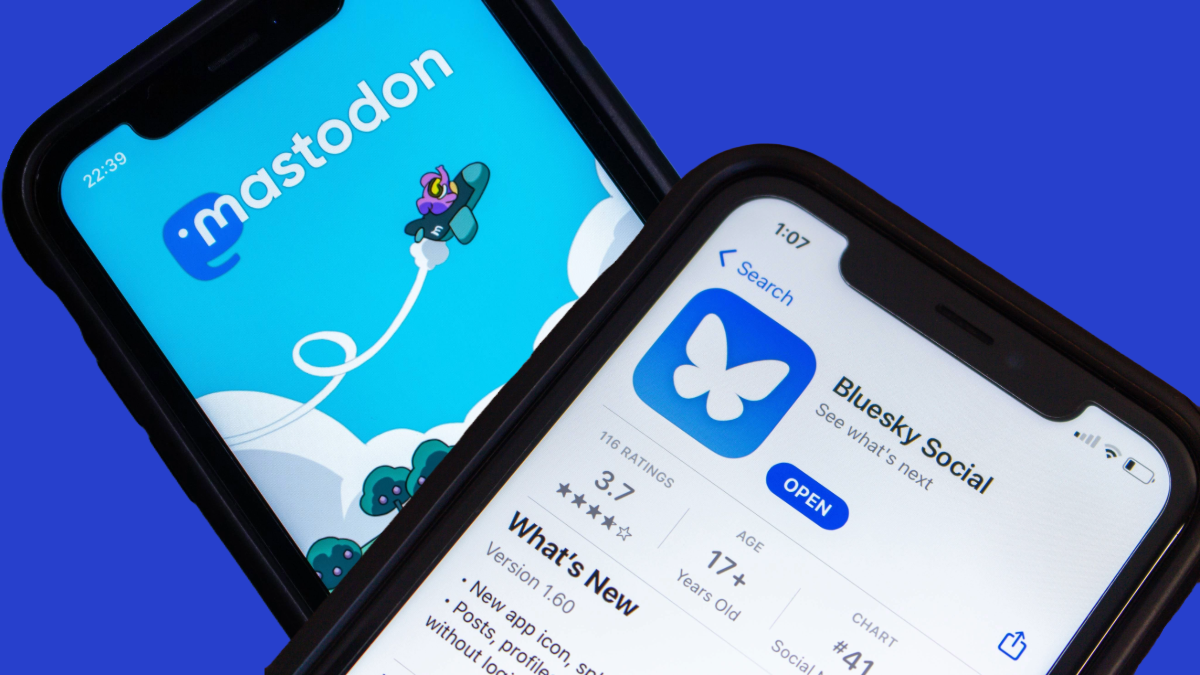
W Social, public institutions and the theater of European digital sovereignty | Hacker News
And weirdly, there was never a peep about this in the press - while the W Social launch was on national news and a bunch of high-profile EU politicians immediately joined. What's going on here?
Commission proposes tech sovereignty package to strengthen Europe\'s digital autonomy and resilience
The European Commission today presented the European Technological Sovereignty Package, a set of measures to strengthen Europe\'s capacity in semiconductors, artificial intelligence (AI), cloud and open source.
Privacy as EU Tech advantage - The LeafPlaza Blog
Online crime loves legal massive data collection, grey systems, and jurisdictional gaps. Privacy-first design can actually reduce crime exposure and build trust in digital services. It is also central to the EU's tech autonomy: build systems aligning with European rights and risk models. Do not rely on foreign platforms or copy outside practices that might go against the EU values and needs.
Europe needs it OWN democracy infrastructure! Joining @Wsocial, as: 1. user (I left X a while back), 2. Advisory board (@EuropeMédiaLab launches TEPs label: Trusted European Platforms) 3. impact investor (after selling @euractiv.com, broadening my scope). 'W' stands for WE? Next: WIN! Worldwide?
