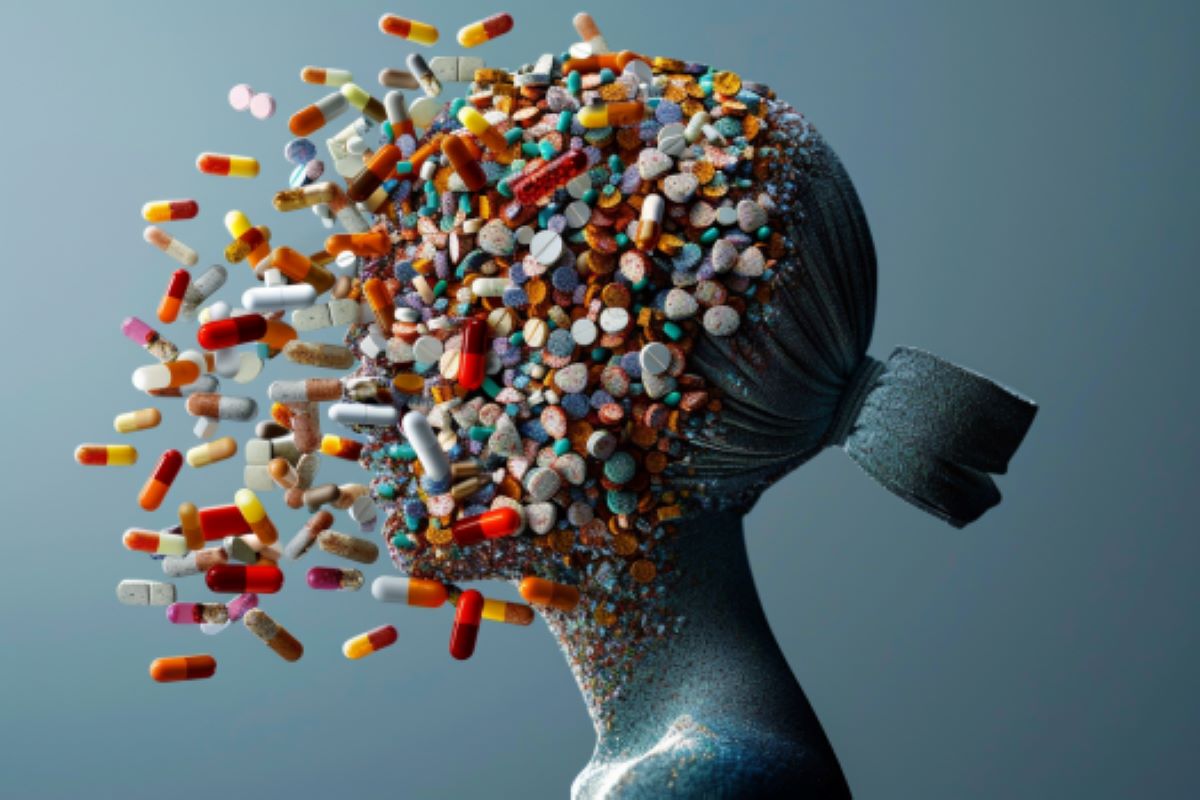
Medication and psychotherapy are the primary treatments for bipolar disorder, but many who are living with the condition are interested in integrative therapies, too.
Causes and Natural Treatments for Bipolar Disorder | A Guide to Alternative Mental Health
Causes and Natural Treatments for Bipolar Disorder
Lamotrigine in the maintenance treatment of bipolar disorder
Lamotrigine as a treatment for prevention of recurrence of bipolar disorder, Review question, To investigate the clinical effectiveness (benefits and harms) of lamotrigine for maintenance therapy of bipolar disorder in comparison with placebo, combination therapy or existing drugs (e.g. lithium, olanzapine)., Background, Lamotrigine is approved for the maintenance treatment (treatment for prevention of recurrence) of bipolar disorder. It could be a viable and effective treatment strategy for the maintenance of bipolar disorder, where it demonstrated a lower risk of recurrence than placebo. In addition, it has been reported to be as effective as lithium. Therefore, we performed a systematic review to investigate the efficacy and safety of lamotrigine in the maintenance treatment (treatment for prevention of recurrence) of bipolar disorder., Key findings, The evidence is current to May 2021. We included 11 studies in this review with a total 2314 participants. 1146 participants were assigned to lamotrigine, and 1168 participants were assigned to control intervention (869 received placebo and 299 received lithium)., Our review identified the following., Lamotrigine versus placebo, Benefits: lamotrigine was found to be superior over placebo in the following outcomes., 1) Reduced the rate of recurrence of manic symptoms , 2) Suppressed depressive symptoms, 3) Less need for additional therapeutic agents for the recurrence of all symptoms, 4) Reduction in the withdrawal rate due to any causes six months or more after the initiating of intervention, Harms: adverse‐event profile of lamotrigine was similar to that of placebo., Lamotrigine versus lithium, Benefits: lamotrigine was as effective as lithium, except for the recurrence of manic symptoms, for which the rate was higher in people who received lamotrigine than people treated with lithium., Harms: the rate of adverse events associated with lamotrigine was lower than that of lithium., Certainty of the evidence, We assessed the certainty of our included evidence to be very low to moderate. This is because majority of the included trials did not describe how treatment allocation was concealed. Given that we were unable to identify high‐confidence evidence the overall findings of this systematic review should be interpreted carefully., Conclusions, Lamotrigine may be superior to placebo in efficacy and may be comparable in safety. And then, lamotrigine was as effective as lithium except for its recurrence rate of mania, and was superior to lithium in terms of safety. Future studies in this field with robust methods and transparent reporting are needed to confirm our results and to fully answer our pre‐specified review question.

My Recovery: The Treatment That Changed My Life
For the last year, i have been successfully off of lithium. Lithium was the only medication I was taking. I have dealt with a severe form of manic depression all of my life, I was suicidal for years. My bipolar was so bad that i couldn't even think straight at all. i lived in constant fear and i have a very vague memory of my life. I realize what I have done may not help everyone who suffers from similar mental problems but it helped/worked for me. What changed things around for me was reading...

Leading Innovation in Psychiatric Treatment | Alto Neuroscience
We leverage brain biology to develop personalized medicines, helping patients get better faster.
Occurrence of Psychosis and Bipolar Disorder in Individuals With ADHD Treated With Stimulants
This systematic review and meta-analysis evaluates the association between psychosis or bipolar disorder and stimulant treatment among individuals with attention-deficit/hyperactivity disorder.

Meditation once again shown to reduce depression better than antidepressant drugs
Meditation once again shown to reduce depression better than antidepressant drugs

The Pill That Could Cure Depression by Growing Your Brain
If you are depressed, or schizophrenic or have Alzheimer's, scientists say you probably have a shrunken hippocampus. The good news: a drug that just

Why nutritional psychiatry is the future of mental health treatment
A growing body of scientific evidence is making clear the connection between good nutrition and good mental health.

The Yale Manual for Psilocybin-Assisted Therapy of Depression (using Acceptance and Commitment Therapy as a Therapeutic Frame)
The Yale Manual for Psilocybin-Assisted Therapy of Depression provides researchers and therapists with methods, structure, and areas to consider regarding the use of psychedelic- assisted therapy in the treatment of Major Depressive Disorder (MDD). In particular, this manual illustrates a mode of utilizing Acceptance and Commitment Therapy (ACT) as a therapeutic framework for psilocybin-assisted therapy of depression.
Avatar Therapy Successfully Treats Schizophrenic Patients Suffering from Auditory Hallucinations
Researchers found that avatar therapy was more effective at reducing hallucinations than counseling.

To Treat Depression, a New Approach Tries Training the Brain
Computer games, chirping birds and electrical stimulation in studies to change how depressed people think.

Antidepressants rapidly alter brain architecture, study finds
A single dose of a popular class of psychiatric drug used to treat depression can alter the brain’s architecture within hours, even though most patients usually don’t report improvement for weeks, a new study suggests.

Israeli study: Food supplement could lower Prozac dosage, reduce side effects
Taken alongside drug, plant-derived substance shown to reduce dose needed to calm mice; researchers hope this could translate to humans

From treating PTSD to quitting tobacco: researchers say public investment into psychedelic drugs essential | CBC News
Magic mushrooms to treat depression, ecstasy to cure PTSD and LSD to combat alcoholism; just some of the drug-affliction pairings that have been tested in recent years.

ADHD Medications Improve Long-Term Cognitive Function - Neuroscience News
Long-term treatment with both stimulant (Methylphenidate) and non-stimulant (Atomoxetine) medications significantly improves cognitive functions in individuals with ADHD.