


OR: How to eat fewer asparagus beetles
The “Terrible Engine of Destruction” That Inspired Federal Science Funding
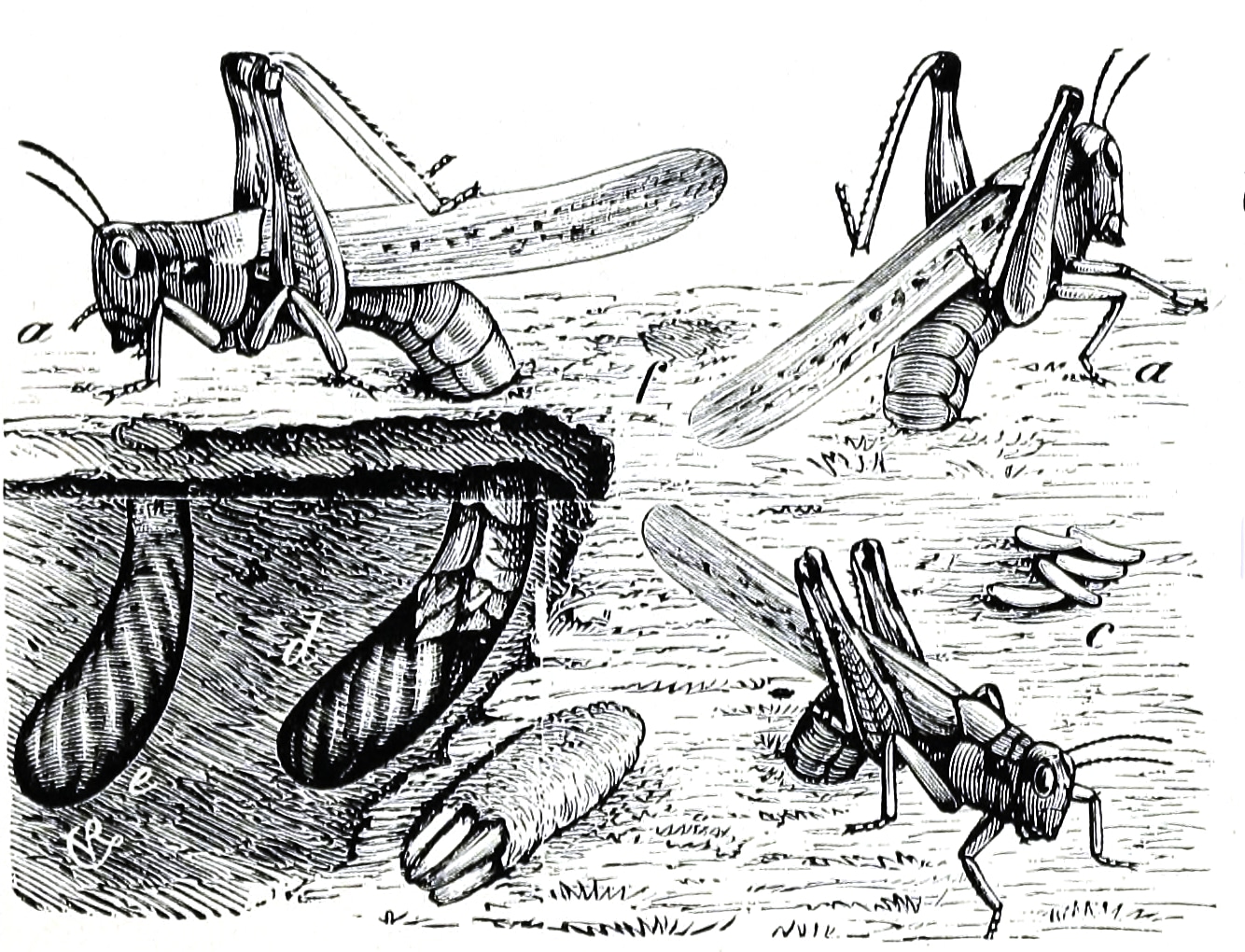
What can we learn about the relationship between science and the American public from the story of plagues of locusts in the 1870s?
Controlled Mold
A blog about fermentation, engineering, and cell-ag. We run wild experiments on microbes and try to eat them, all with the help of computers and math.

Social Insects : Ecology and Behavioural Biology
1 online resource; Here is a guide to the ecology of social insects. It is intended for general ecologists and entomologists as well as for undergraduates and those about to start research on social insects; even the experienced investigator may find the comparison between different groups of social insects illuminating. Most technical terms are translated into common language as far as can be done without loss of accuracy but scientific names are unavoidable. Readers will become familiar with the name even though they cannot visualize the animal and could reflect that only a very few of the total species have been studied so far! References too are essential and with these it should be possible to travel more deeply into the vast research literature, still increasing monthly. When I have cited an author in another author's paper, this implies that I have not read the original and the second author must take responsi bility for accuracy! Many hands and heads have helped to make this book. I thank all my colleagues past and present for their enduring though critical support, and I thank with special pleasure: E.]. M. Evesham who fashioned the diagrams;]. Free, D.J. Stradling and]. P.E.C. Darlington who supplied photographs; D.Y. Brian and R.A. Weller who were meticulous on the linguistic side; and G. Frith and R.M. Jones who collated the references. List of plates 1. Fungus combs of Acromyrmex octospinosus and Macrotermes michaelseni. 13 2. Mouthparts of larval Myrmica; 1 Introduction -- 2 Food -- 2.1 Termites as decomposers -- 2.2 Wasps and ants as predators -- 2.3 Sugars as fuel save prey -- 2.4 Seed eaters -- 2.5 Leaf eaters -- 2.6 Pollen eaters -- 3 Foraging by individuals -- 3.1 Foraging strategy -- 3.2 Worker variability -- 4 Foraging in groups -- 4.1 Communication about food -- 4.2 Group slave-raiding -- 4.3 Tunnels and tracks -- 4.4 Nomadic foraging -- 5 Cavity nests and soil mounds -- 5.1 Cavities and burrows -- 5.2 Soil mounds -- 6 Nests of fibre, silk and wax -- 6.1 Mounds of vegetation and tree nests -- 6.2 Combs of cells -- 7 Microclimate -- 7.1 Environmental regulation -- 7.2 Metabolic regulation -- 8 Defence -- 8.1 Painful and paralysing injections -- 8.2 Toxic smears and repellants -- 9 Food processing -- 9.1 Mastication, extraction and regurgitation -- 9.2 Yolk food supplements -- 9.3 Head food glands -- 10 Early population growth -- 10.1 Food distribution -- 10.2 Colony foundation -- 10.3 The growth spurt -- 11 Maturation -- 11.1 Simple models of reproduction -- 11.2 Social control over caste -- 11.3 Males in social Hymenoptera -- 11.4 Maturation in general -- 12 Reproduction -- 12.1 Caste morphogenesis -- 12.2 Copulation and dispersal -- 12.3 Production -- 12.4 Summary -- 13 Evolution of insect societies -- 13.1 Theories of individual selection -- 13.2 Models of these theories -- 13.3 Group selection -- 13.4 Conclusions -- 14 Colonies -- 14.1 The colony barrier -- 14.2 Queen number and species ecology -- 14.3 Queen interaction and queen relatedness -- 15 Comparative ecology of congeneric species -- 15.1 Ant and termite races -- 15.2 Desert ants and termites -- 15.3 Ants and termites in grassland -- 15.4 Forest ants and termites -- 15.5 Wasps and bumblebees -- 15.6 Advanced bees -- 16 Communities -- 16.1 Temperate zone communities in grass and woodland -- 16.2 Desert communities -- 16.3 Tropical rain forest -- 16.4 Conclusions -- 17 Two themes -- 17.1 Plant mutualism -- 17.2 Social organization -- References -- Author index

The one science reform we can all agree on, but we're too cowardly to do
OR: the long overdue forest fire

Markus J. Buehler on Twitter / X
After decades at MIT studying how nature builds - from spider silk to bone to nacre - I've become convinced of something: the biggest barrier to scientific progress isn't knowledge, it's connection. The insights we need already exist, scattered across millions of papers and… pic.twitter.com/EHUomaFyPj— Markus J. Buehler (@ProfBuehlerMIT) March 10, 2026

The natural selection of bad science
Abstract. Poor research design and data analysis encourage false-positive findings. Such poor methods persist despite perennial calls for improvement, sugg

Debug Project
Bad mosquitoes spread disease. Good mosquitoes stop them. We're using technology to raise and release good mosquitoes.

The Current Crisis: What's Happening to Science in America
Guest post: If you’re going to critique science, be scientific about it
Loren K. Mell Editor’s note: This post responds to a Feb. 13 article in The Atlantic, “The Scientific Literature Can’t Save Us Now,” written by Retraction Watch cofounders Adam Marcus and Ivan Oran…

What stories should we tell about scientific progress now?
In search of the mysterious fruits of basic science
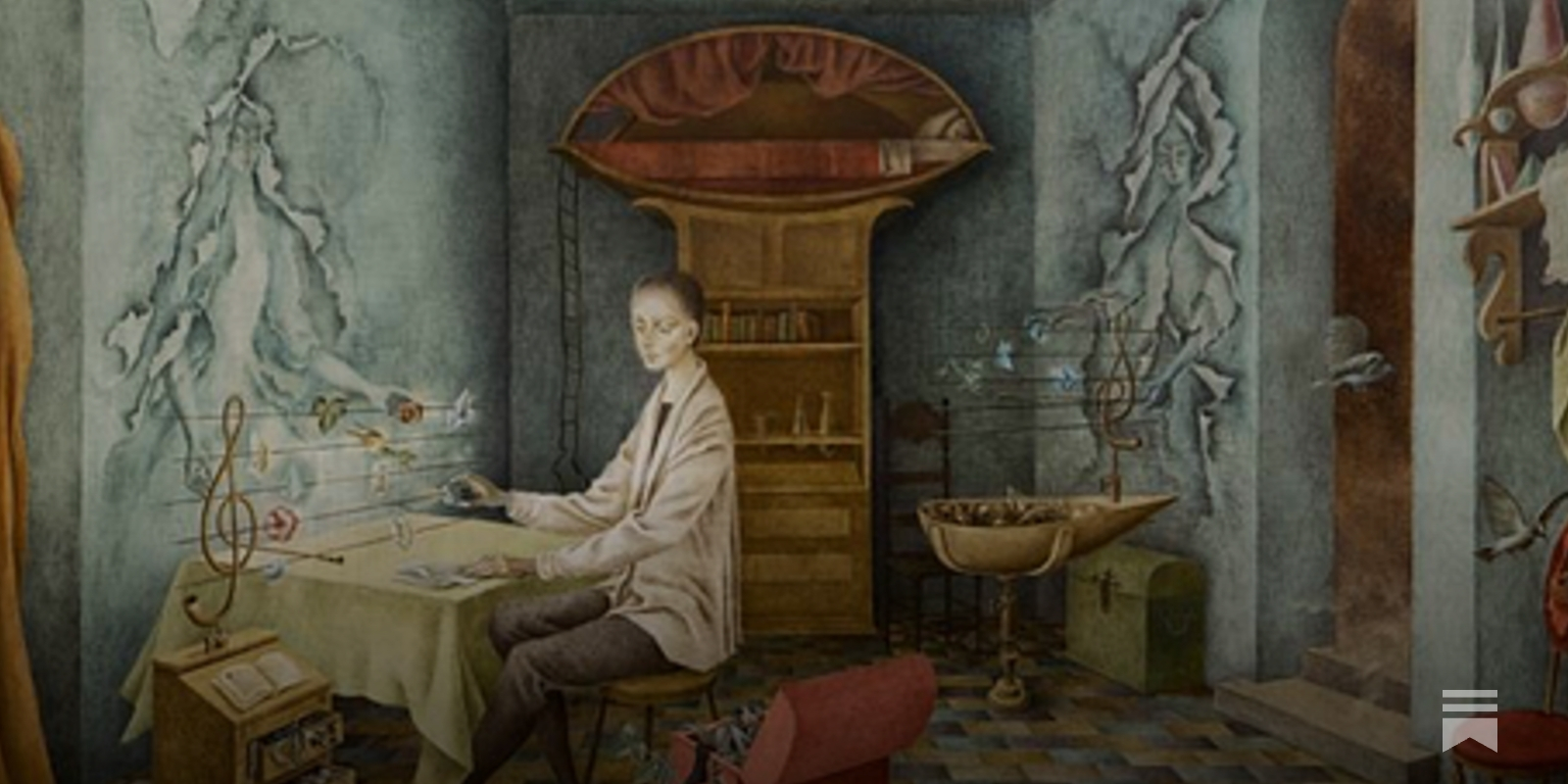
The High Cost of Not Doing Experiments - Behavioral Scientist
We can pay dearly, in blood, treasure, and well-being, for experiments that aren’t done. -Richard Nisbett, Mindware

I am disappointed by the fact that so many seem tempted to share a "nonrigorous", unserious attempt at quantifying fraud in science because it passes some silly vibe check ("I asked others and they agree"). So in the name of good science, we're ready to produce bad science as a rhetorical tool.
