

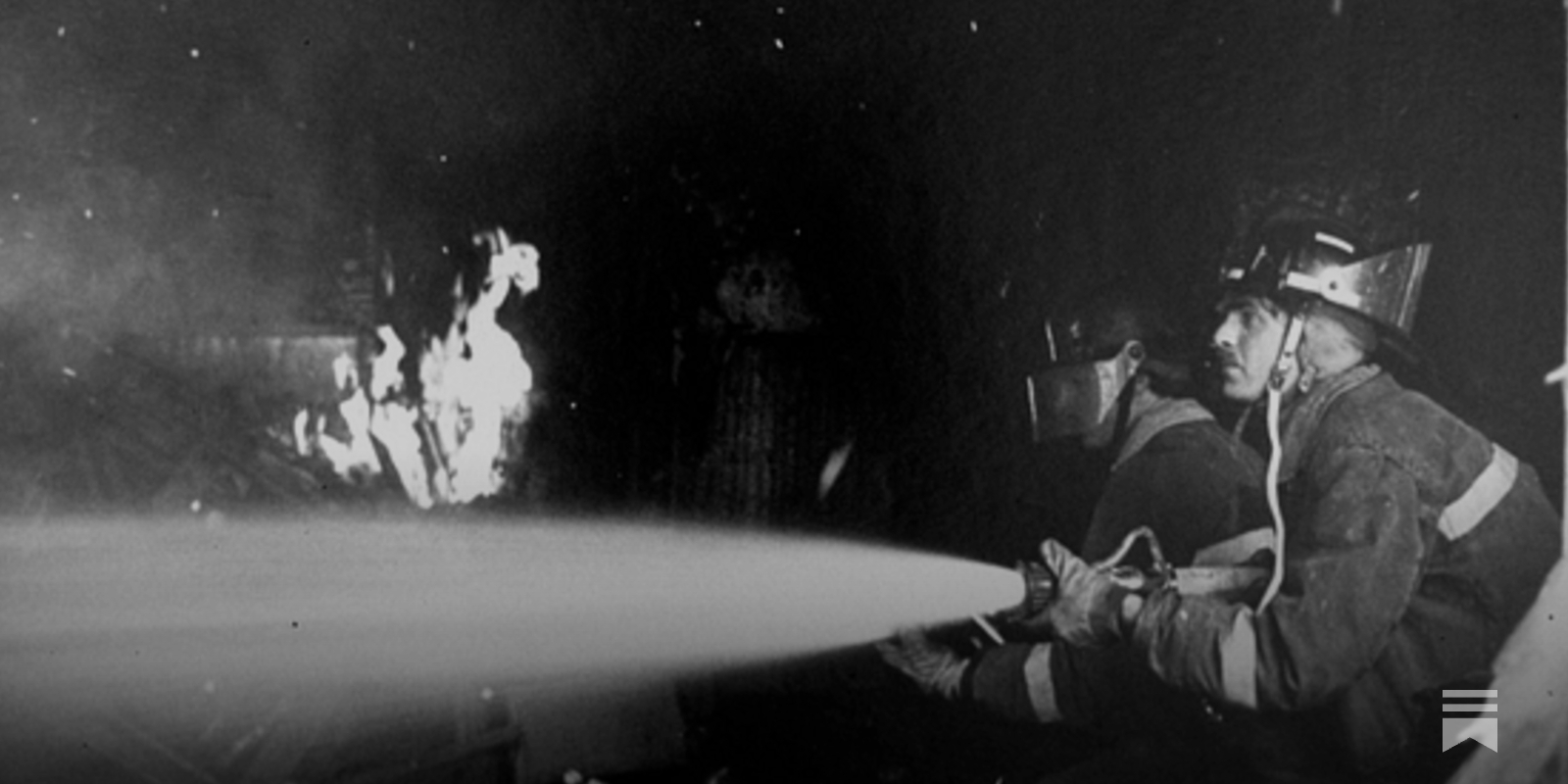
OR: the long overdue forest fire
The Current Crisis: What's Happening to Science in America
Nate on Twitter / X
OSTP just released 'Science: A New Golden Age' — 72 pages modeled on Vannevar Bush's 1945 report. I read the whole thing. It's remarkably good.The sharpest insight is on page 60. AI could do to science what fire suppression did to forests: make each individual tree safer while…— Nate (@NateWBradford) July 21, 2026
Rebuilding the Architecture of Science
Science built the modern world. It’s time to rebuild the world of science.
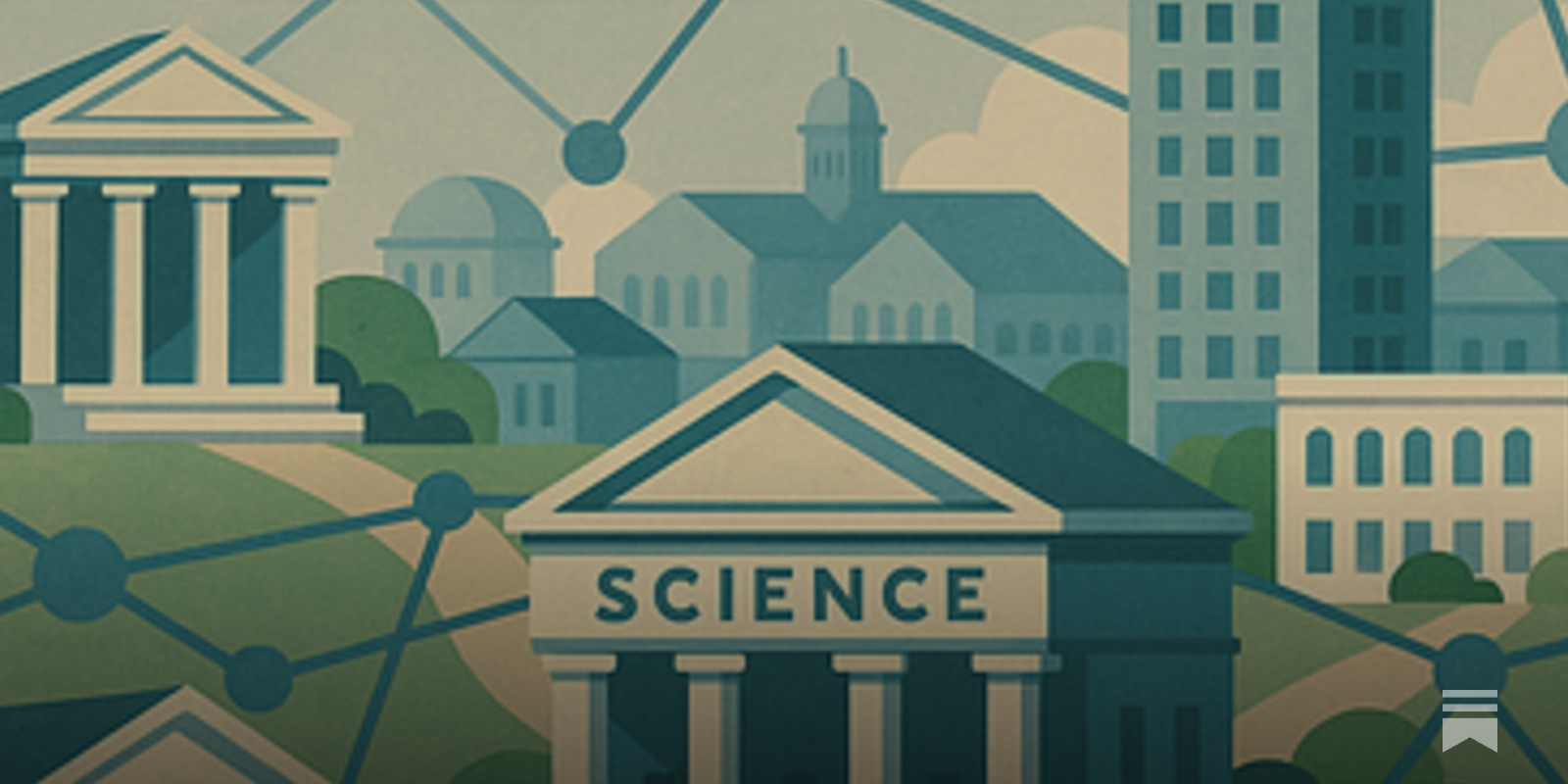
America’s compact between science and politics is broken
How did we get here?
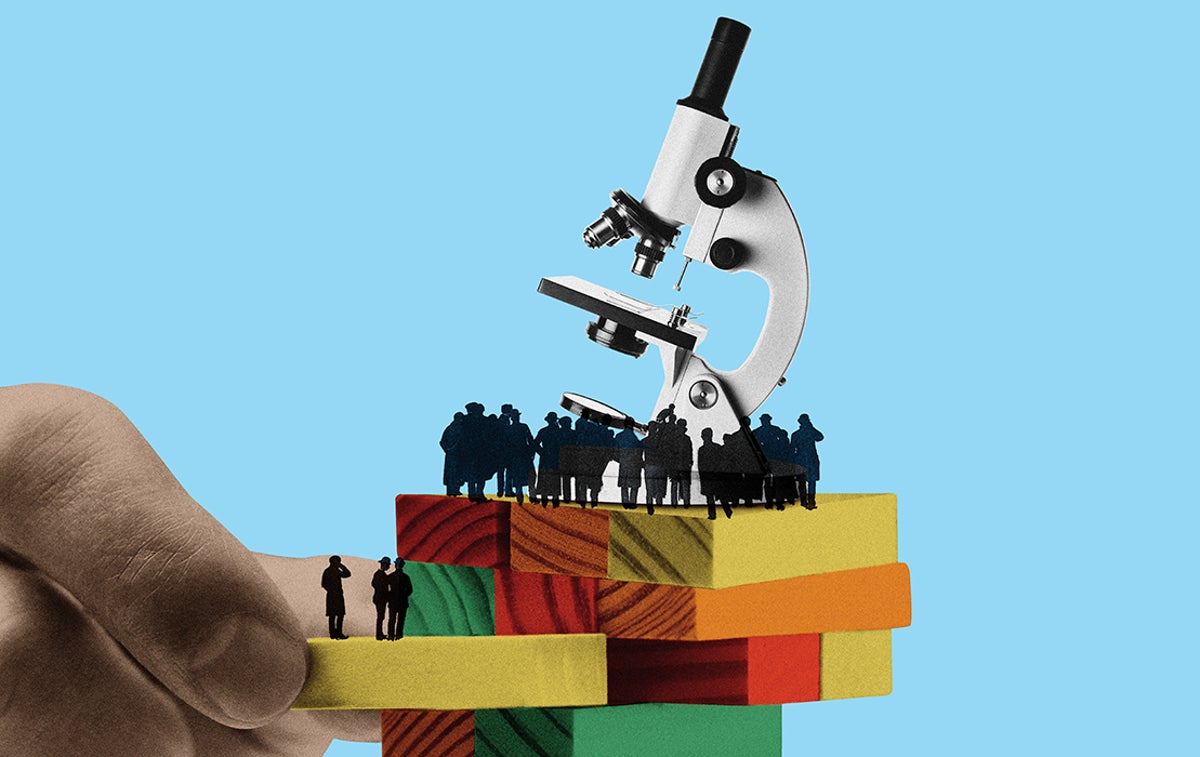
Why Science Can't Settle Political Disputes
Attempts to scientifically “rationalize” policy, based on the belief that science is purified of politics, may be damaging democracy
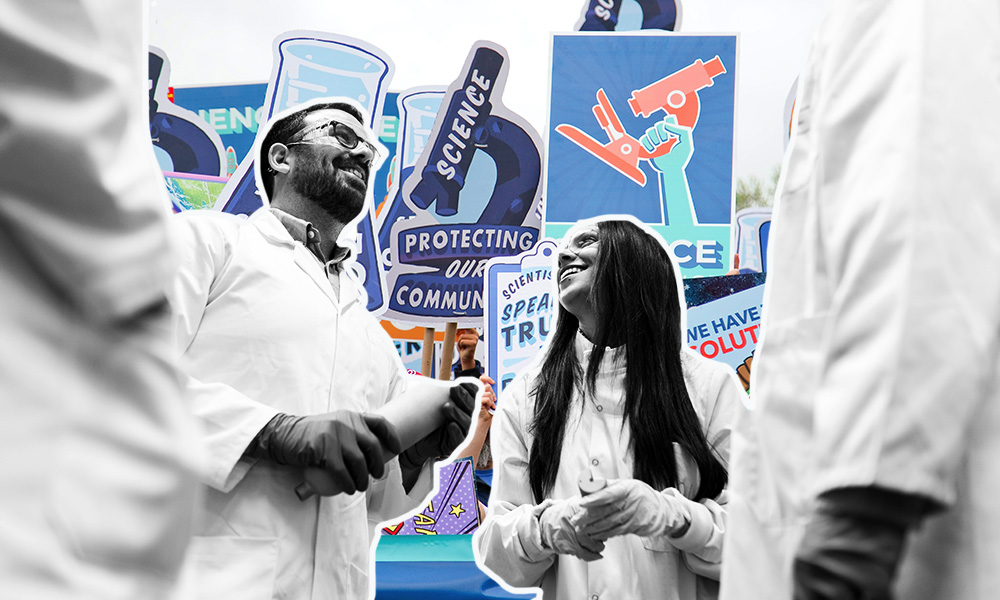
What stories should we tell about scientific progress now?
In search of the mysterious fruits of basic science
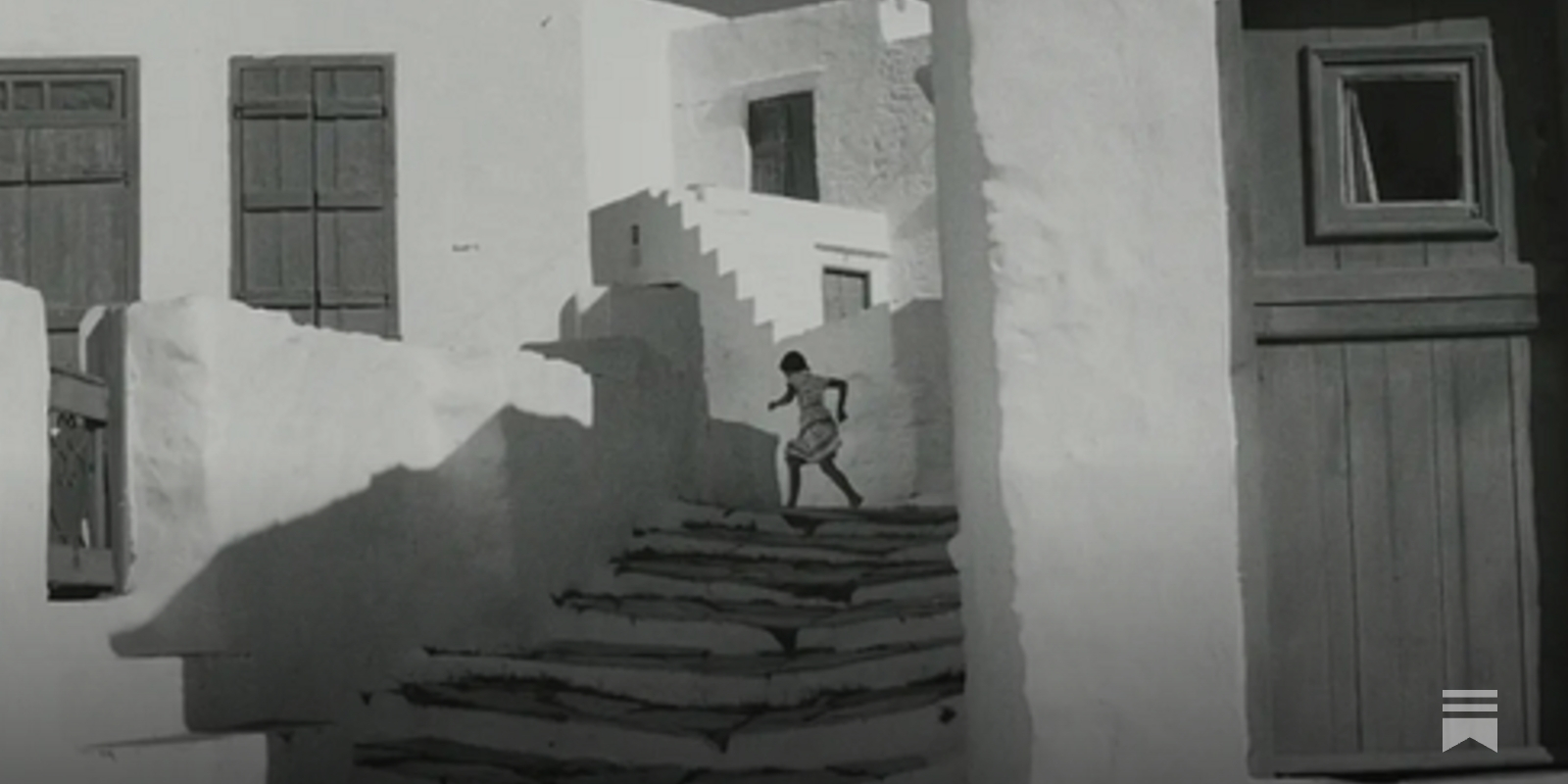
Dark-Moneyed Denialists Are Running 'Fixing Science' Symposium of Doubt
The “Fixing Science” symposium, which is hosted by the National Association of Scholars and kicks off today in Oakland, California, includes credible speakers who want to improve some areas of science hurt by the use of poor statistical methods or making irreproducible claims. Unfortunately, they are outnumbered by people who have often cast doubt on mainstream climate, environmental, and health sciences. For […]
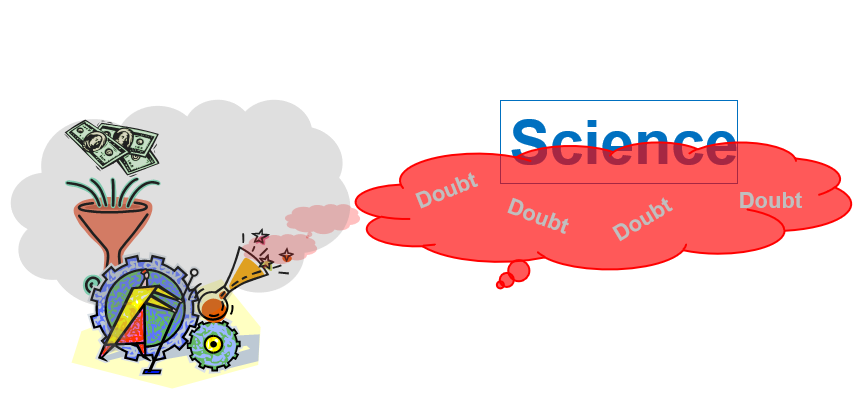
Maybe scientific progress isn’t slowing, after all
A new paper takes aim at the claim that science has become less disruptive

Science has been in a “replication crisis” for a decade. Have we learned anything?
Bad papers are still published. But some other things might be getting better.

Jason Shepherd on Twitter / X
I have quite a lot of thoughts on this..that won't fit in a tweet. Bottomline is that there are issues scientists in the US would love to improve - faster review, less grant writing, more stability and freedom to do risky science. The folks celebrating this doc are mostly../1 https://t.co/xlPAH9XYNC— Jason Shepherd (@JasonSynaptic) July 23, 2026
Guest post: If you’re going to critique science, be scientific about it
Loren K. Mell Editor’s note: This post responds to a Feb. 13 article in The Atlantic, “The Scientific Literature Can’t Save Us Now,” written by Retraction Watch cofounders Adam Marcus and Ivan Oran…

Science Must Decentralize
Knowledge production doesn’t happen in a vacuum. Every great scientific breakthrough is built on prior work, and an ongoing exchange with peers in the field. That’s why we need to address the threat
Breaking the silence
Research on science communication has largely focused on teaching scientists how to describe their studies in ways that interest the public while deepening their understanding of scientific exploration. However, there is another, often overlooked side to science communication—how scientists respond when questions arise about the integrity of their research. Often, the tendency has been to stay silent and wait for any controversy to pass or be resolved in professional forums. But in an age of growing, intense attacks on science, silence can be detrimental to both public trust and the careers of scientists who are under scrutiny. For better or worse, journalists, social media professionals, and the public may take a response of “no comment” as a concession that the critics are correct, so forthright communication about research questions is more urgent than ever.

Seth Bannon on Twitter / X
There are some exceptionally good ideas here for reforming and accelerating science.Some of my favorite proposals:Apply the scientific method to science funding (track applications, reviewers, funding decisions, and outcomes, then experimentally test which grantmaking methods… https://t.co/Q0JmqTBPYm— Seth Bannon (@sethbannon) July 22, 2026
I am disappointed by the fact that so many seem tempted to share a "nonrigorous", unserious attempt at quantifying fraud in science because it passes some silly vibe check ("I asked others and they agree"). So in the name of good science, we're ready to produce bad science as a rhetorical tool.
