


The preeminent media scholar and author of The Attention Merchants shares insights on how the design industry can better serve users--and humanity.
Ethics and Aesthetics: Could beauty be the key to a more humane design?
Design has transformed from an artistic handicraft into an engineering job. What was lost when aesthetics left the stage was the humanity of design.
By Humans, For Humans – Mindful Design
Now, more than ever, we need to consider the real, human impact of the work we do. This is a fundamental principle of Mindful Design.

ETCH
We believe technology should serve humanity and that human creativity is essential and irreplaceable. We support the ethical development and deployment of AI by funding protective technologies and translating research into real-world tools for creative communities.

Designs for the pluriverse: radical interdependence, autonomy, and the making of worlds
"Arturo Escobar presents a new vision of design theory by arguing for the creation of what he calls 'autonomous design'--a design practice aimed at channeling design's world-making capacity toward ways of being and doing that are deeply attuned to justice and the Earth"--Publisher description

Technology is Not Values Neutral: Ending the Reign of Nihilistic Design
We fail to take tech seriously when we do not grasp its full impact on humans

Tim Berners-Lee on the huge sociotechnical design challenge | TechCrunch
In a speech discussing ethics and the Internet, the inventor of the World Wide Web, Sir Tim Berners-Lee, has tasked the technology industry and its coder

Design: A Happening Life
"When life is happening, design has meaning, and every design we encounter strengthens our recognition of the value of being alive."

Read the Principles — Design Justice Network
Design mediates so much of our realities and has tremendous impact on our lives, yet very few of us participate in design processes. In particular, the people who are most adversely affected by design decisions — about visual culture, new technologies, the planning of our communities, or the structure of our political and economic systems — tend to have the least influence on those decisions and how they are made.

Sebastian Deterding: What your designs say about you
What does your chair say about what you value? Designer Sebastian Deterding shows how our visions of morality and "the good life" are reflected in the design of objects around us.
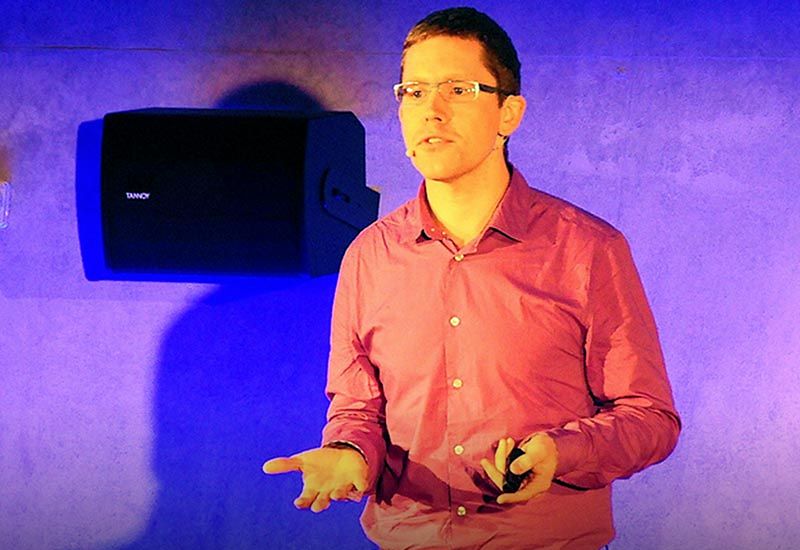
COMMUNITY-BASED, HUMAN-CENTERED DESIGN
We propose a radical change in design from experts designing for people to people designing for themselves, leveraging the creativity of communities to solve their own problems. People in communiti…

Introducing ‘Designing responsibly with AI’
Part 1 of a series to help design teams understand the ethical challenges when working with AI and have better control over the possible…

Design Justice: Community-Led Practices to Build the Worlds We Need
An exploration of how design might be led by marginalized communities, dismantle structural inequality, and advance collective liberation and ecological su
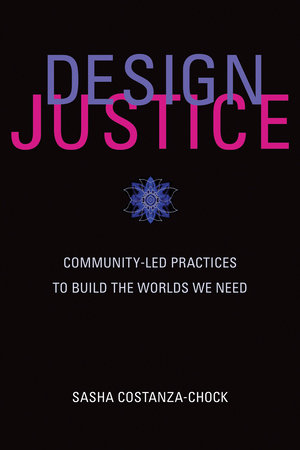
Making the Case for Actionable Prosocial Design Research
Regulating harmful design is only half the equation — attention must also go toward how platforms can build prosocial design, and toward the research that shows them how.
Design Justice: Community-Led Practices to Build the Worlds We Need
Community-Led Practices to Build the Worlds We Need
Design as Participation · Journal of Design and Science
This started with a drivetime conversation about contemporary design with Joi Ito. We were stuck in traffic, and in our conversation, a question emerged about designers: This new generation of designers that work with complex adaptive systems. Why are they so much more humble than their predecessors who designed, you know, stuff?
