

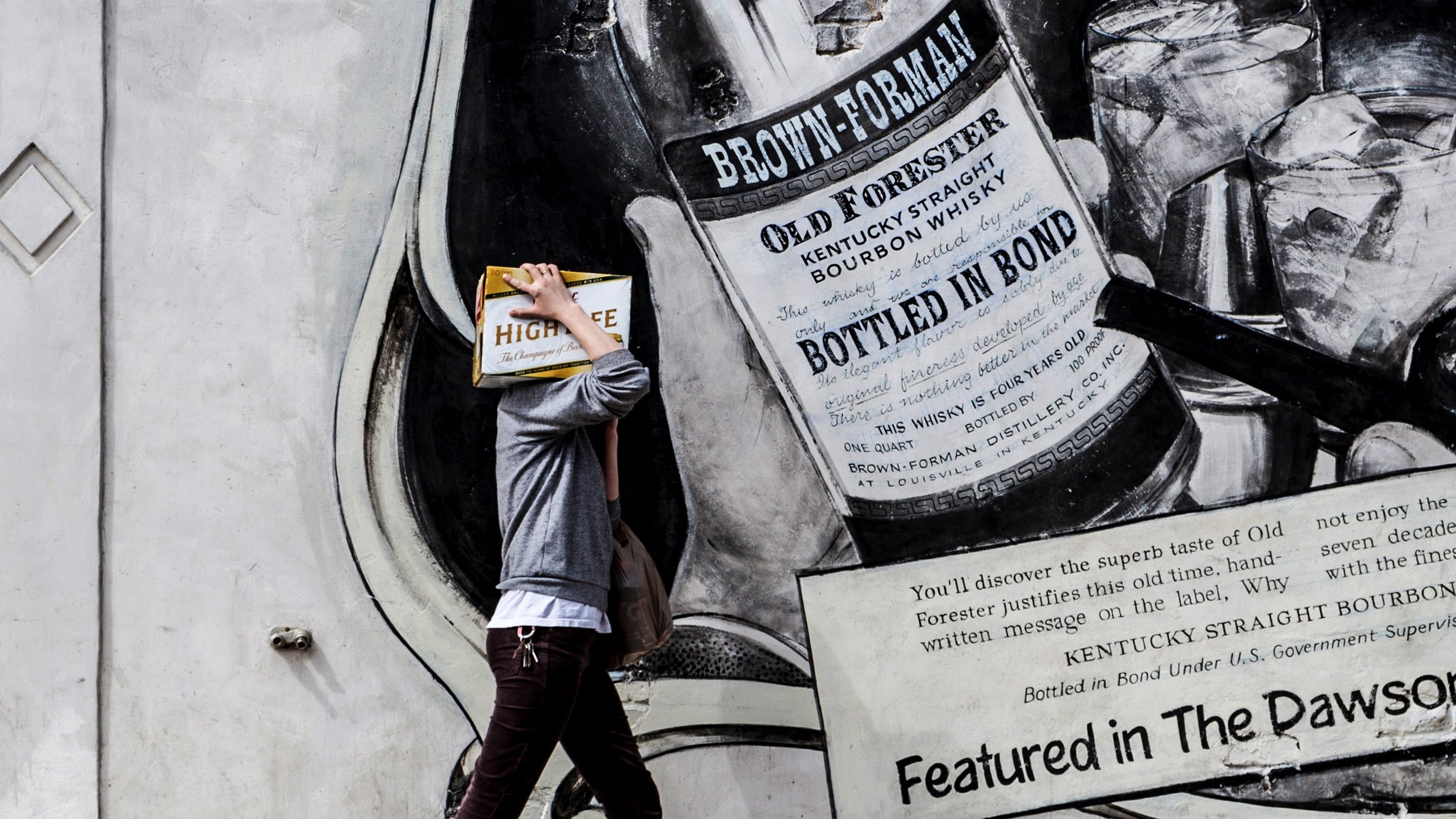
Self-promotion might not come naturally for some, but less outgoing people can use their natural strengths to create an authentic online presence.
Brand is who you are
I think brand is often misunderstood. People talk about it as the logo, the website, the colors. Those are the things you can see, so it’s natural to start there. But they are expressions of the brand. The underlying thing is who you are and what you stand for.

Self-promotion without the ick (thanks Claude)
To be brutally honest, this (making Claude my social media manager) all started because I felt inadequate about self-promotion. And being an engineer, my response to feeling bad about something is …

Building personal and organizational prestige
Most months I get at least one email from an engineering leader who believes they’d be a candidate for significantly more desirable roles if their personal brand were just better known. Similarly, when funding is readily available during periods of tech industry expansion, many companies believe they are principally constrained by their hiring velocity–if their engineering organization’s brand was just a bit better, they believe they’d be hiring much faster.

Self-Host & Tech Independence: The Joy of Building Your Own
Why I self-host my websites, newsletter, and homelab—and the satisfaction that comes from building and using your own digital tools.

Community ≠ Marketing: Why We Need Go-to-Community, Not Just Go-to-Market
Community is the “new” moat (or so some have said), and it’s true: Having a community helps protect against competitor companies or products entering your territory. Whether that community is a group of power users, open source contributors, creators, or even just a brand (or franchise)’s super fans, it lends greater brand awareness, higher switching... Read More

Are Self‐Service Customers Satisfied or Stuck?
This paper investigates the impact of self‐service technology (SST) usage on customer satisfaction and retention. Specifically, we disentangle the distinct effects of satisfaction and switching costs as drivers of retention among self‐service customers. Our empirical analysis examines 26,924 multi‐channel customers of a nationwide retail bank. We track each customer's channel usage, overall satisfaction, and retention over a 1‐year period. We find that, relative to face‐to‐face service, customers who use self‐service channels for a greater proportion of their transactions are either no more satisfied, or less satisfied with the service they receive, depending on the channel. However, we also find that these same customers are predictably less likely to defect to a competitor if they are heavily reliant on self‐service channels characterized by high switching costs. Through a mediation model, we demonstrate that, when self‐service usage promotes retention, it does so in a way that is consistent with switching costs. As a robustness check, we examine the behavior of channel enthusiasts, who concentrate transactions among specific channels. Relative to more diversified customers, we find that self‐service enthusiasts in low switching cost channels defect with greater frequency, while self‐service enthusiasts in high switching cost channels are retained with greater frequency.

Brands using AI-generated influencers to promote products on social media
Investigation finds AI content that purports to show genuine customers, prompting calls for greater transparency

Name Checker - Social Media Username Checker
Check the availability of your desired Brand Name through our social media username checker (name checker). Claim your online identity across Social Media!
The Follower Factory (Published 2018)
Everyone wants to be popular online. Some even pay for it. Inside social media’s black market.

Making Business Personal
Business can be a form of activism, art, spirituality, and creative expression.

Introducing a network for thoughtful conversations
The quality of conversations on the Internet is terrible. Most platforms like Twitter, Facebook, Instagram, Reddit, etc. optimize for engagement as their key metric. This spawns and rewards behavior that leads to bragging of gameable metrics such as likes and followers, self-feeding thought bubbles, knee-jerk reactions, “if you’re not on our side, you’re on their side” mentality, and thought policing even by people who think they’re fighting for a good cause. Today’s Internet doesn’t incentiviz
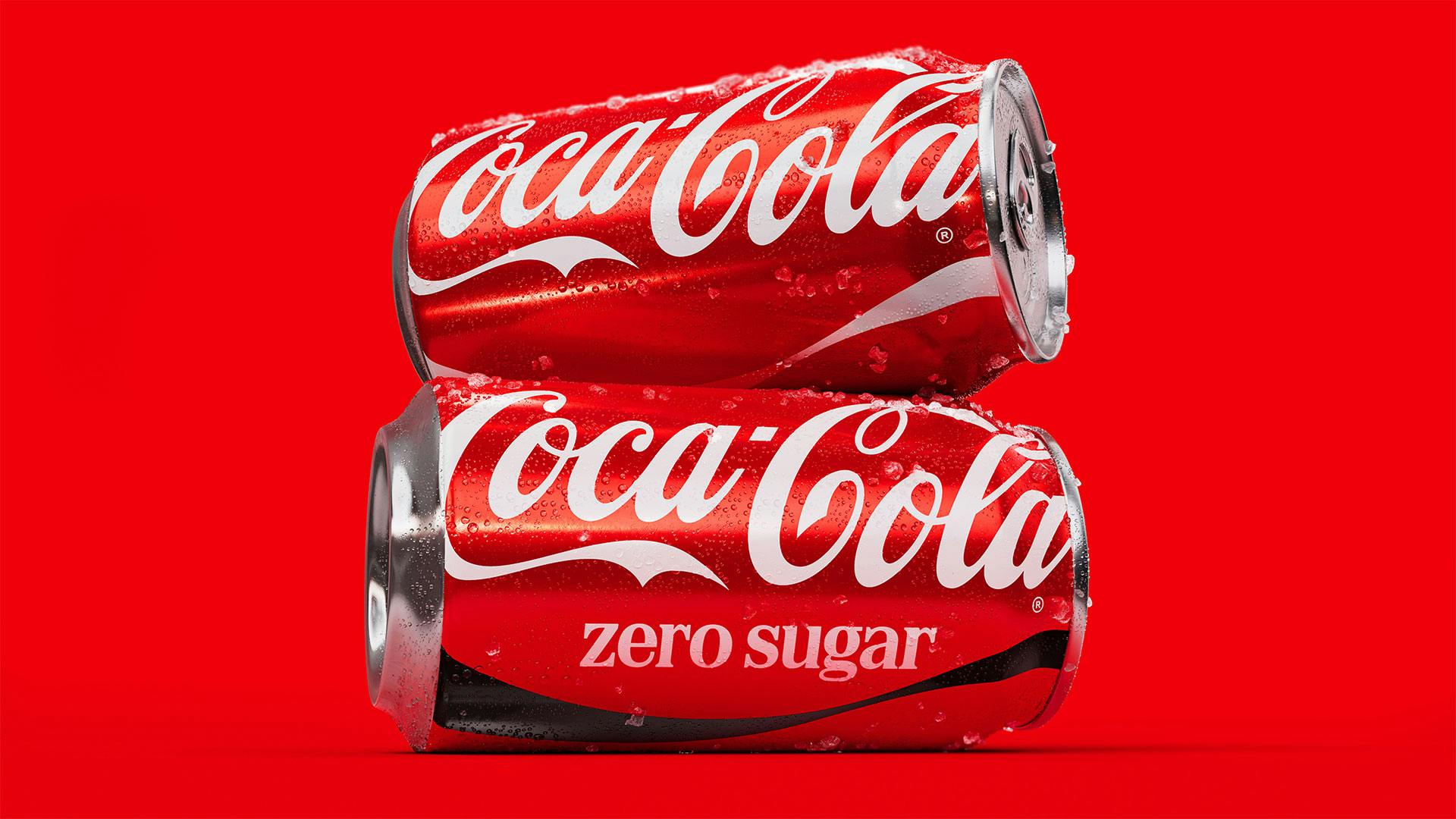
Coca-Cola's new identity by JKR proves that sometimes the smartest rebrand is barely a rebrand at all — BP&O - Branding, Packaging and Opinion
Brand identity refresh, packaging, typography and advertising for Coca-Cola by JKR. Reviewed for BP&O by Emily Gosling.
The future of the internet is likely smaller communities, with a focus on curated experiences
As brands look to hold onto the internet of the past, the term “community” will become a loaded word.

