

Specs 2 is an ecosystem for specs driven component development. Via the plugin, turn a selected Figma component or component set into a compact, complete, schema-valid specification — computed directly from the file, not inferred from a screenshot. From the command line, generate specs from an en...
variables2css
Convert Figma design variables, including colors and numbers, into CSS, Sass, Tailwind, Stylus, Json, Less or Javascript (Styled-Components) variables to save time and ensure accuracy. Use it in Figma: Design and Development mode. How to use it: Select your collection and now also choose specifi...
Design system doc spec 0.15.2
A machine-readable format for design system documentation. DSDS structures components, tokens, themes, foundations, patterns, and guides as a single source of truth for humans, parsers, and agents.
The Spec Can Come Later - The Phoenix Architecture
When I say things like "delete the code, keep the spec," many people seem to interpret that as a rule: write the specification first, and only then are you a…
The Spec Can Come Later - The Phoenix Architecture
When I say things like "delete the code, keep the spec," many people seem to interpret that as a rule: write the specification first, and only then are you a…
oracle/agent-spec
Open Agent Spec (Agent Spec) is a framework-agnostic declarative language for defining agentic systems. It defines building blocks for standalone agents and structured agentic workflows as well as common ways of composing them into multi-agent systems.
Understanding Spec-Driven-Development: Kiro, spec-kit, and Tessl
Notes from my Thoughtworks colleagues on AI-assisted software delivery

When Does a Specification Become a Program? · The Phoenix Architecture
A spec can contain prose, tests, schemas, formal models, even executable code. The useful boundary is not the syntax but, rather, what survives: if you throw the implementation away, what has to remain so you can build the next one?
When Does a Specification Become a Program? - The Phoenix Architecture
A spec can contain prose, tests, schemas, formal models, even executable code. The useful boundary is not the syntax but, rather, what survives: if you throw the implementation away, what has to remain so you can build the next one?
Priivacy-ai/spec-kitty
Spec-Driven Development for serious software developers. Spec Coding with with Claude, Cursor, Gemini, Codex. Kanban dashboard, git worktrees, auto-merge and more.
MySpec - Spec-Driven Development (SDD) | Clarity Precedes Code
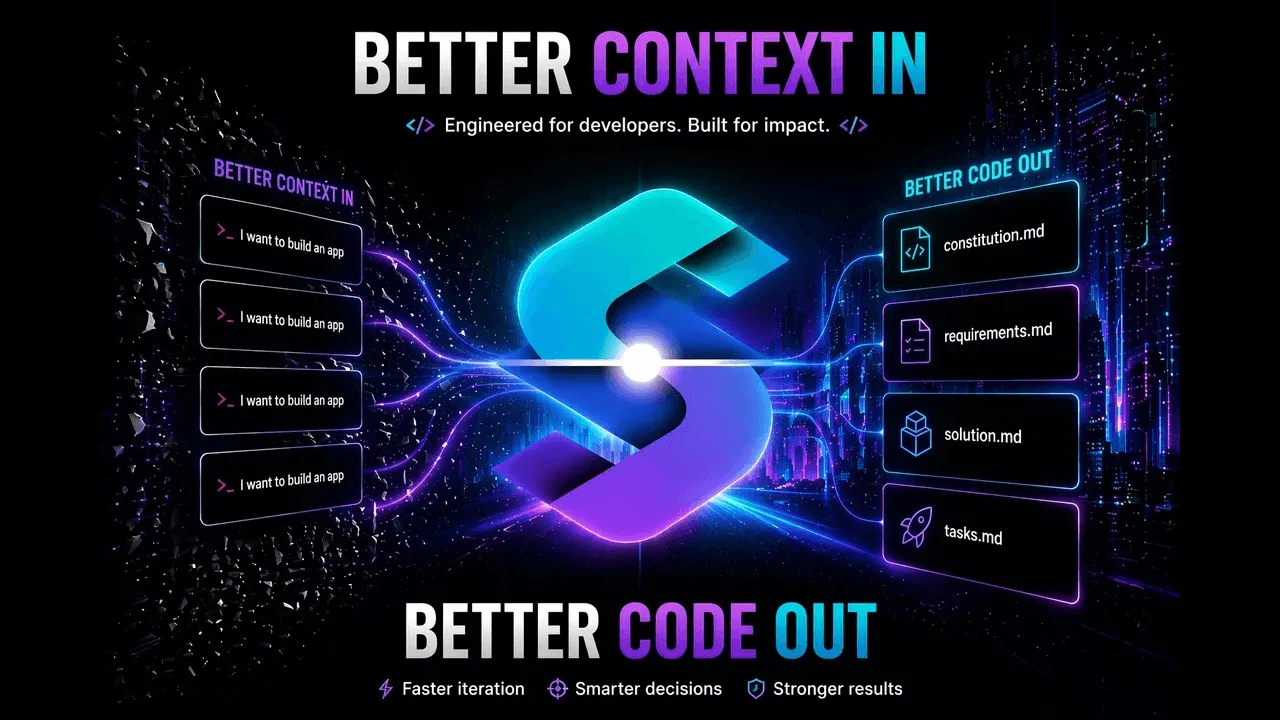
Stop AI code hallucinations in Cursor, Claude Code, and Devin. MySpec interviews you and generates the deterministic 4-file spec bundle (constitution, requirements, solution, tasks) before you write code.
MySpec - Spec-Driven Development (SDD) | Clarity Precedes Code
Stop AI code hallucinations in Cursor, Claude Code, and Devin. MySpec interviews you and generates the deterministic 4-file spec bundle (constitution, requirements, solution, tasks) before you write code.
A High-Level Grammar of Interactive Graphics
Vega-Lite - a high-level grammar for statistical graphics. Vega-Lite provides a higher-level grammar for visual analysis, comparable to ggplot or Tableau, that generates complete Vega specifications. Vega-Lite specifications consist of simple mappings of variables in a data set to visual encoding channels such as x, y, color, and size. These mappings are then translated into detailed visualization specifications in the form of Vega specification language. Vega-Lite produces default values for visualization components (e.g., scales, axes, and legends) in the output Vega specification using a rule-based approach, but users can explicit specify these properties to override default values.
Plugins for Figma Design Systems

I spend a lot of time working on Design Systems, typically for large multi-platform products. I made this collection for essential (to me) Figma plugins. Some are very sophisticated. Some are simple and do one job really well.
Find Variables
Specs 2
Nested Instances
Background Apply To All
Print Variables
Version History → Slack
