

One distinguishing trait of hackers is the way they never see any program as completely, definitively done; there are always additions to be made, rough edges to be smoothed. Certainly Adventure, impressive as it was, left plenty of room for improvement. On top of all that, though, one also has to consider that Adventure came to MIT from Don Woods of Stanford’s AI Lab, perhaps the only computer-science program in the country with a stature remotely comparable to that of MIT. MIT students are fiercely proud of their alma mater. If Stanford had done the adventure game first, MIT’s Dynamic Modeling Group could still do it better. And it didn’t hurt that the heritage of Project MAC and the Laboratory for Computer Science, not to mention the DMG itself, gifted them with quite some tools to bring to bear on the problem.
Hackers: Heroes of the Computer Revolution
A mere fifteen years ago, computer nerds were seen as m…

Andrej Karpathy: Software Is Changing (Again)
Andrej Karpathy: Software Is Changing (Again)
How StrongDM’s AI team build serious software without even looking at the code
Last week I hinted at a demo I had seen from a team implementing what Dan Shapiro called the Dark Factory level of AI adoption, where no human even looks …
On AI Coding and Its Discontents - Cal Newport
Back in January, I received a note from a senior software engineer in Silicon Valley. He described himself as an AI skeptic who became converted ... Read more
Building ambitious software — Jonathan Kelley, Dioxus Labs & Cognition
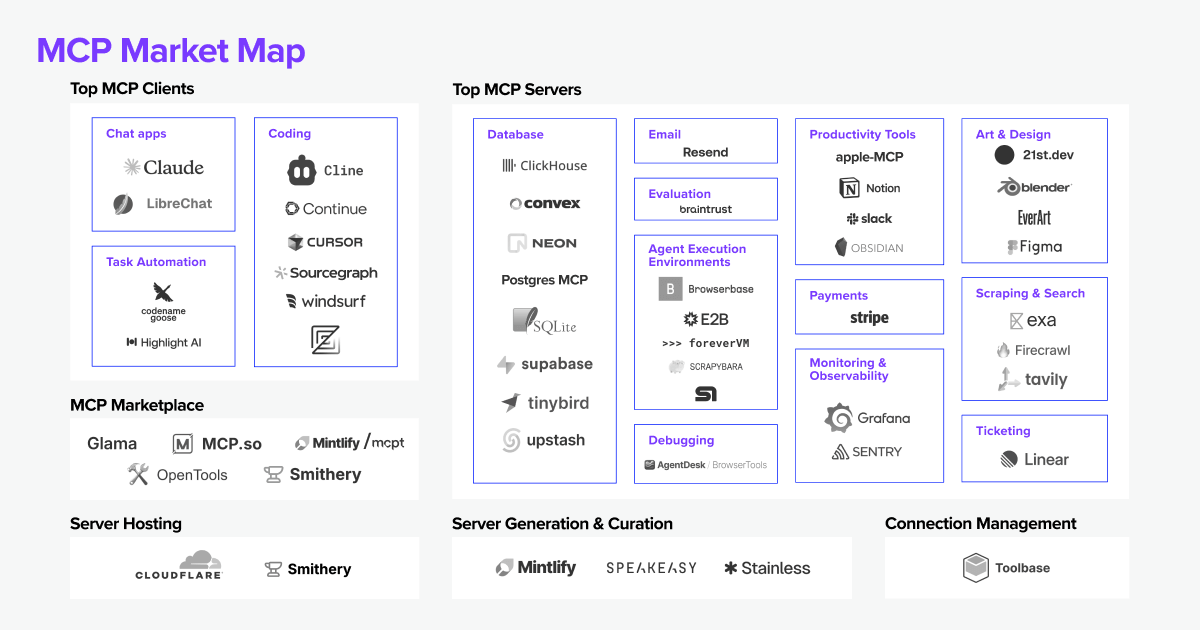
A Deep Dive Into MCP and the Future of AI Tooling | Andreessen Horowitz
We explore what MCP is, how it changes the way AI interacts with tools, what developers are already building, and the challenges that still need solving.
The third golden age of software engineering – thanks to AI, with Grady Booch
The third golden age of software engineering – thanks to AI, with Grady Booch
Good design hasn’t changed with AI — John Pham, SF Compute
The Git-ification of the World — Tim Morrissey
Why AI conquered software first, and what that tells us about which industries are next.

AI’s Hacking Skills Are Approaching an ‘Inflection Point’
AI models are getting so good at finding vulnerabilities that some experts say the tech industry might need to rethink how software is built.

Looking for Students & Mentor Beta-Testers: Autodesk Synthesis
Hey, we are looking for both students/recent grads and mentors who are willing to meet with us to beta-test Synthesis. Synthesis is an Autodesk software created by FIRST students and alumni to help FIRST teams simulate their robots and the field, run and test code, and experiment with their CAD models. We are currently working on a new User Interface for our software, and we want to make sure that we provide the best tool possible for FIRST teams, so we want input from FIRST teams. Message for m...

» Apple, Carmen Sandiego, and the Rise of Edutainment The Digital Antiquarian
If there was any one application that was the favorite amongst early boosters of personal computing, it was education. Indeed, it could sometimes be difficult to find one of those digital utopianists who was willing to prioritize anything else — unsurprisingly, given that so much early PC culture grew out of places like The People’s Computer Company, who made “knowledge is power” their de facto mantra and talked of teaching people about computers and using computers to teach with equal countercultural fervor. Creative Computing, the first monthly magazine dedicated to personal computing, grew out of that idealistic milieu, founded by an educational consultant who filled a big chunk of its pages with plans, schemes, and dreams for computers as tools for democratizing, improving, and just making schooling more fun. A few years later, when Apple started selling the II, they pushed it hard as the learning computer, making deals with the influential likes of the Minnesota Educational Consortium (MECC) of Oregon Trail fame that gave the machine a luster none of its competitors could touch. For much of the adult public, who may have had their first exposure to a PC when they visited a child’s classroom, the Apple II became synonymous with the PC, which was in turn almost synonymous with education in the days before IBM turned it into a business machine. We can still see the effect today: when journalists and advertisers look for an easy story of innovation to which to compare some new gadget, it’s always the Apple II they choose, not the TRS-80 or Commodore PET. And the iconic image of an Apple II in the public’s imagination remains a group of children gathered around it in a classroom.
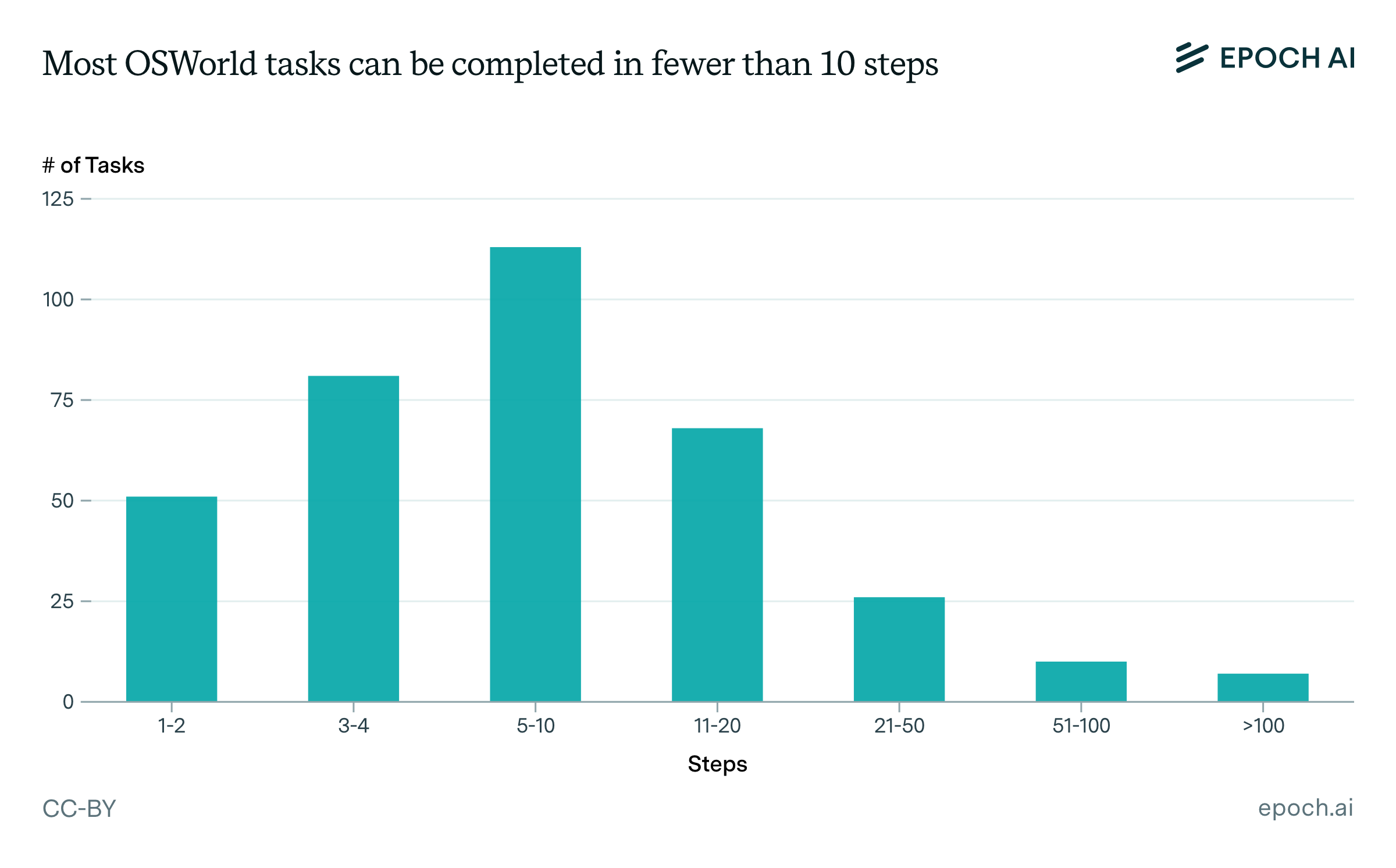
What does OSWorld tell us about AI’s ability to use computers?
We review OSWorld, a prominent computer use benchmark. Tasks are relatively simple, many don’t require GUIs, and success often hinges on interpreting ambiguous instructions. The benchmark is also not stable over time.
Anthropic Teams Up With Its Rivals to Keep AI From Hacking Everything
The AI lab's Project Glasswing will bring together Apple, Google, and more than 45 other organizations. They'll use the new Claude Mythos Preview model to test advancing AI cybersecurity capabilities.
