The French creative aesthetic has always been a bit different from that of English-speaking nations. In their paintings, films, even furniture, the French often discard the stodgy literalism that is so characteristic of Anglo art in favor of something more attenuated, where impression becomes more important than objective reality. A French art film doesn’t come off as a complete non sequitur to Anglo eyes in the way that, say, a Bollywood or Egyptian production can. Yet the effect it creates is in its way much more disorienting: it seems on the surface to be something recognizable and predictable, but suddenly zigs where we expect it to zag. In particular, it may show disconcertingly little interest in the logic of plot, that central concern of Anglo film. What affects what and why is of far less interest to a filmmaker like, say, François Truffaut than the emotional affect of the whole.
Why Do Movies Feel So Different Now?
Jan Švankmajer
Jan Švankmajer is a Czech retired film director, animator, writer, playwright and artist. He draws and makes free graphics, collage, ceramics, tactile objects and assemblages. In the early 1960s, he explored informel, which later became an important part of the visual form of his animated films. He is a leading representative of late Czech surrealism. In his film work, he created an unmistakable and quite specific style, determined primarily by a compulsively unorthodox combination of externally disparate elements. The anti-artistic nature of this process, based on collage or assemblage, functions as a meaning-making factor. The author himself claims that the intersubjective communication between him and the viewer works only through evoked associations, and his films fulfil their subversive mission only when, even in the most fantastic moments, they look like a record of reality. Some of the works he created together with his wife Eva Švankmajerová.

A user's guide to art-speak
Why do so many galleries use such pompous, overblown prose to describe their exhibits? Well, there's now a name for it: International Art English. And you have to speak it to get on. Andy Beckett enters the world of waffle
How Capitalism Incentivizes the Destruction of Art
Capitalism is supposed to encourage innovation. But in Hollywood, studios are creating a narrower range of films to avoid taking any risk at all.
Interface Realisms: The Interface as Aesthetic Form
Until now, digital arts have largely been understood to belong in traditional genres or forms of art: we are said to have electronic literature, net.art, or electronic, techno music. Sometimes interesting discussions have arisen concerning the very ontology of digital art, and questions such as whether net.art should be seen within the tradition of the visual arts or as a form of literature connecting it to the different traditions and questions regulating these arts.[1] While it is not my intent to disconnect digital art from traditional art, or to argue for the irrelevance of the traditional forms of art, I will in the following establish the interface as an aesthetic and critical framework for digital art.
Pierre d'Alancaisez: The Crisis in Contemporary Art
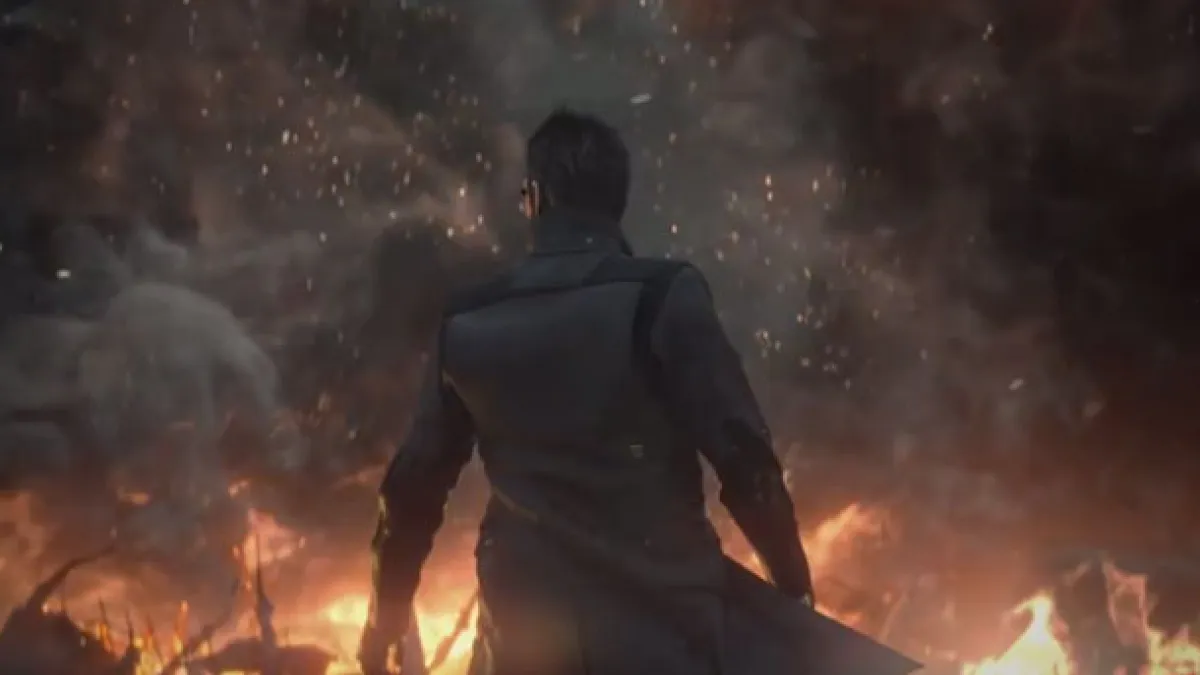
Haute Future: How Fashion Designers Improved Deus Ex
You know those futuristic movies with absurd fashion?” Eidos Montreal worked with a high-end designer to avoid that. - Game Informer
The Biggest Misconceptions About How Movie Novelizations Are Written
The novelizations that accompany popular movies and TV shows may not be written quite the way you think they are. In response to our call to correct the

The cinematograph, the "noematograph," and the future of AI art
From the cinematograph to the "noematograph," the Hugh-winning author explores how technology has, and may still, breed new artistic forms.

Naqoyqatsi
Godfrey Reggio takes on the digital revolution in the final chapter of his Qatsi Trilogy. Through a variety of cinematic techniques, including slow motion, time-lapse, computer- generated imagery, and found footage, the film tells of a world that has completed the transition from the natural to the artificial. Globalization has been accomplished, all of our interactions are technologically mediated, and all images are manipulated. From this (virtual) reality, Reggio sculpts a frenetic yet ruminative portrait of an era in which the cacophony of “communication” has rendered humankind effectively postlanguage.

POLITEIA#32 | La France championne du monde, une victoire du foot de cité ? | Stéphane Beaud
Fans Are Ruining Game of Thrones—And Everything Else
How art and culture became captured by the logic of the consumer market

AI Artists Have No Role Models
Prompt Engineers Lack Any Canon, Don't You? AI artists have an existential problem: they consume only their own work, severing the dialogue of culture that…
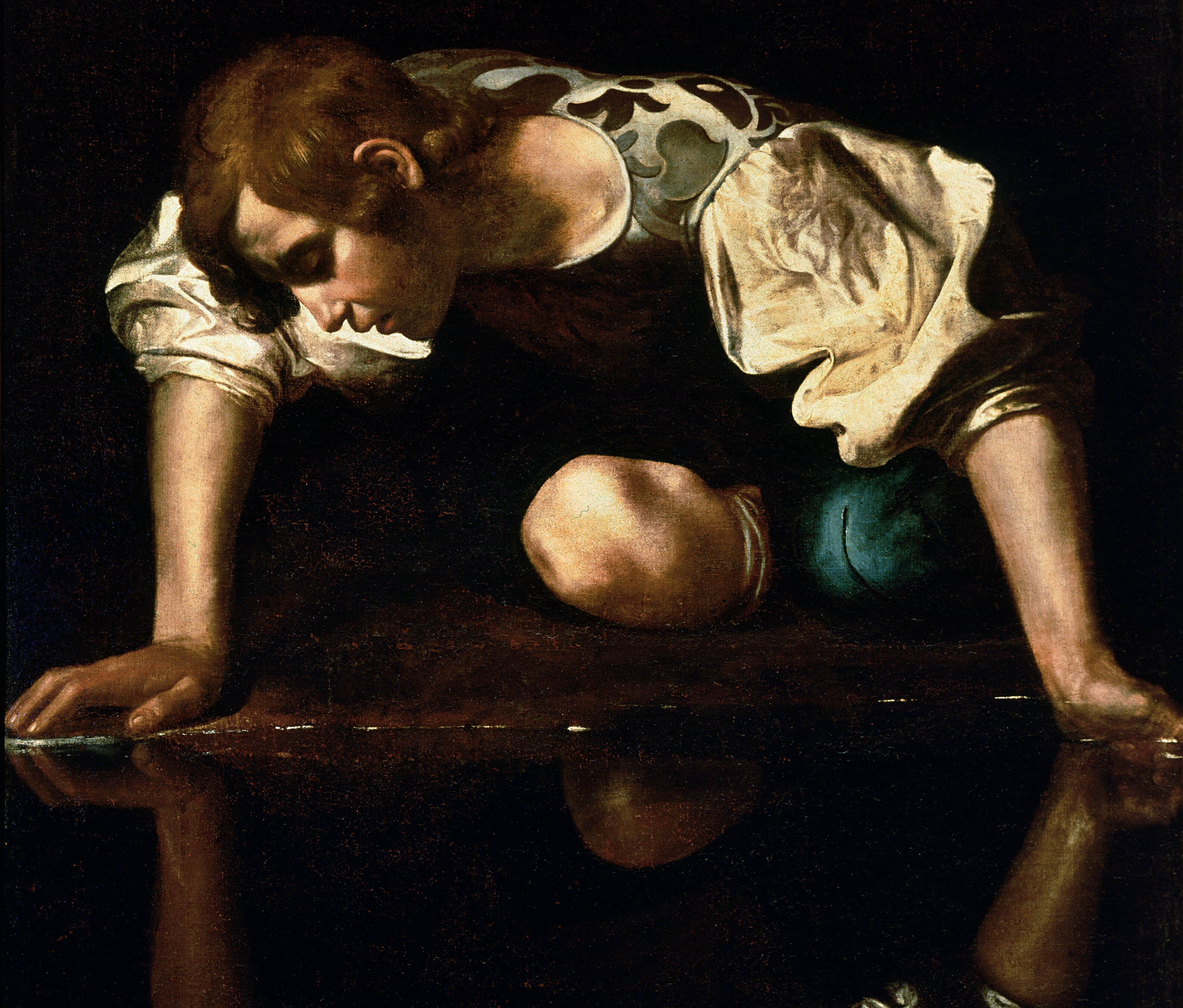
Against Subtlety: The Case for Heavy-Handedness in Art
Our obsession with subtlety, in the way we think about art, is all-pervading. But when it’s held up as an unquestioned virtue, it does the most damage.

Technopoly: The Surrender of Culture to Technology
A witty, often terrifying that chronicles our transform…

Umberto Eco’s List of the 14 Common Features of Fascism
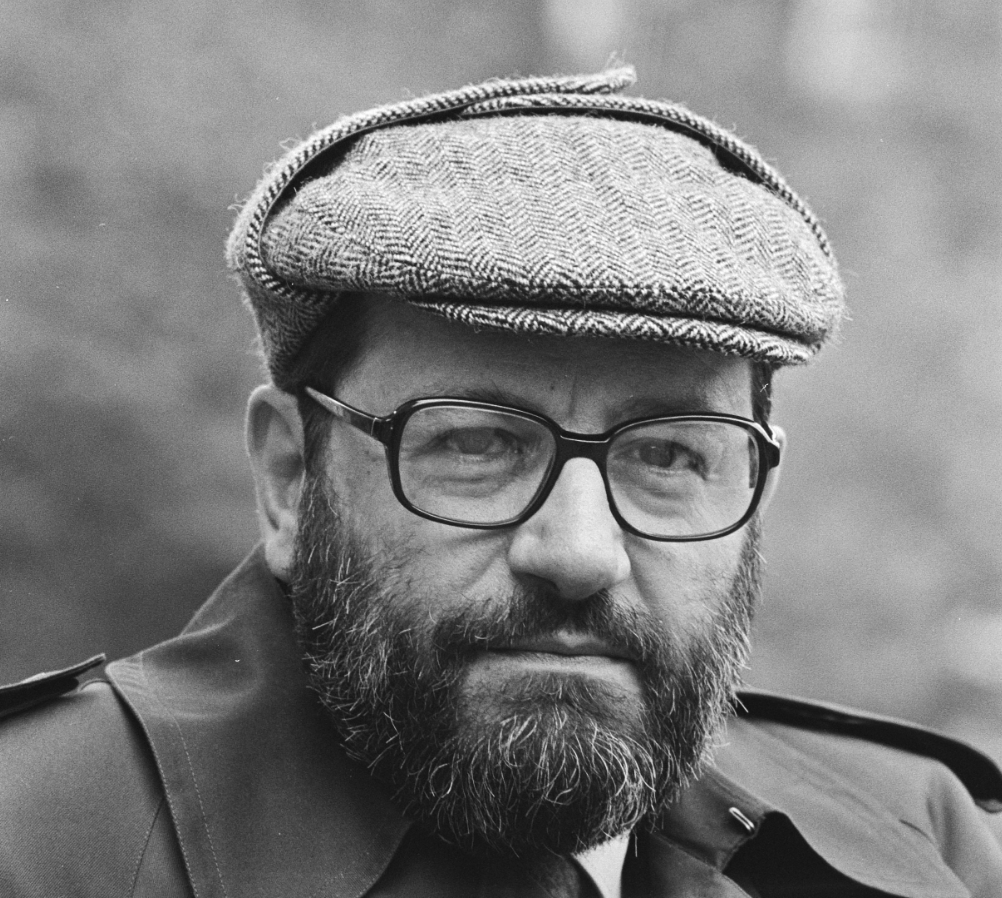
Creative Commons image by Rob Bogaerts, via the National Archives in Holland One of the key questions facing both journalists and loyal oppositions these days is how do we stay honest as euphemisms and trivializations take over the discourse?