

In 1825, in Paris, France, a man named Charles-Louis Havas set up an agency to translate foreign news reports into French for the benefit of local newspapers. At that time, his country along with the rest of the Western world stood on the cusp of far-reaching changes. Over the next few decades, the railroad and the telegraph remade travel and communications in their image. This led in turn to the rise of consumerism, as exemplified by the opening of Le Bon Marché Rive Gauche, the world’s first big-box department store, in Paris in 1852. And with consumerism came mass-market advertising, a practice which was to a large extent invented in France.
annotations: Le débat à propos des effets respectifs de la technologie et du commerce international sur l'emploi américain
Traduction française de "El super clasico: trade and technology duke it out at CUNY" de Branko Milanovic
Amazon opens its first Amazon Fresh physical grocery store, in LA | TechCrunch
The shift to online shopping has accelerated in the COVID-19 pandemic, but today Amazon made a bold move that underscores its belief that physical stores

Erewhon’s Secrets
Japanese utopians. Corporate glow-ups. $400 smoothies. The strange history of the world’s most cultish grocery store.

Good Store
Founded by John and Hank Green with the belief that humanity can be good news. At Good Store, we’re searching the world for the best versions of the products that you use daily, like socks, coffee, or soap, and then we’re giving 100% of profits to charity.

Goodbye, Ivory Tower. Hello, Silicon Valley Candy Store. (Published 2016)
The promise of big data and big paychecks is drawing some of academia’s top economists to study consumer behavior for tech companies like Airbnb, Amazon and Uber.

The Mythos of the Electronic Revolution
JAMES W. CAREY, JOHN J. QUIRK, The Mythos of the Electronic Revolution, The American Scholar, Vol. 39, No. 3 (Summer, 1970), pp. 395-424
The Mythos of the Electronic Revolution
JAMES W. CAREY, JOHN J. QUIRK, The Mythos of the Electronic Revolution, The American Scholar, Vol. 39, No. 2 (Spring, 1970), pp. 219-241
A letter to my younger self: big things start small
What I wish I had known when starting my career in consumer tech a decade ago…
The Birth of the Attention Economy
The rise of the cheap, daily newspaper in the 19th century remade how Americans engaged with the world.

The Colorful History of WooCommerce
WooCommerce is the most popular e-commerce plugin for WordPress. But how did the journey begin? Was it always the top dog right from day one?

The tyranny of the algorithm: why every coffee shop looks the same
The long read: From the generic hipster cafe to the ‘Instagram wall’, the internet has pushed us towards a kind of global ubiquity – and this phenomenon is only going to intensify

Theory wars: how postmodernism became weaponised
How did a philosophical movement embracing consumer culture become a target for today’s anti-woke brigade?

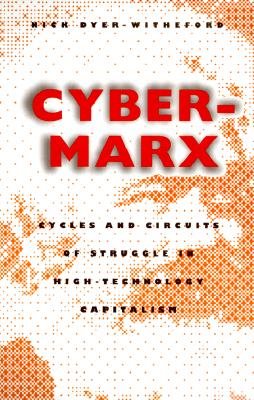
Cyber-Marx: Cycles and Circuits of Struggle in High Technology Capitalism
Cycles and Circuits of Struggle in High Technology Capitalism
Big Brother is Coming to the Farm: the digital takeover of food (English)
Inside Uniqlo’s Quest for Global Dominance
The brand conceives of itself as a distribution system for utopian values as much as a clothing company. Can it become the world’s biggest clothing manufacturer?

Facebook and the Cost of Monopoly
Facebook gave one of the worst keynotes in a long time: there was no vision, just the adoption of Snap’s. It’s the inevitable outcome of a monopoly.
