

Amidst so much else, the 1990s saw the rise and fall of the narrative-driven space sim. The sub-genre was effectively invented in 1990, when Wing Commander dared to add a set-piece story line to the sturdy foundation of the more open-ended British classic Elite. It reached a peak of commercial and critical acceptance in 1994 with Wing Commander III and TIE Fighter, only to fall off the big publishers’ radar completely by shortly after the turn of the millennium. As you regular readers know, I’ve been writing the final installments to a lot of stories recently, a symptom of the period of churn and consolidation in which these histories currently find themselves. Now I’m on the verge of writing my last words on not just a company but a whole category of games as a mainstream commercial force — almost, I’m tempted to say, a whole subculture of gaming, one of the oddest of them all when you stop to think about it.
How ‘Baldur’s Gate’ Saved the Computer RPG
The genre-stretching game broke new narrative, technical, and gameplay ground and established the identity of one of the past two decades’ most storied video game studios

The Search For The Apolitical Video Game
» Ultima IX The Digital Antiquarian
Years ago, [Origin Systems] released Strike Commander, a high-concept flight sim that, while very entertaining from a purely theoretical point of view, was so resource-demanding that no one in the country actually owned a machine that could play it. Later, in Ultima VIII, the company decided to try to increase their sales numbers by adding action sequences straight out of a platform game to their ultra-deep RPG. The results managed to piss just about everyone off. With Ultima IX: Ascension, the company has made both mistakes again, but this time on a scale that is likely to make everyone finally forget about the company’s past mistakes and concentrate their efforts on making fun of this one.
StarCraft: The past, present and future
Back in the ‘90s, Chris Metzen had an idea for a new game. For the still-blooming Blizzard Entertainment, these were formative years. There was Warcraft as of 1994, but there was no World of Warcraft. There was talk about doing more real-time strategy, as the company was arguably getting good at it, and a keen interest in heading into space.

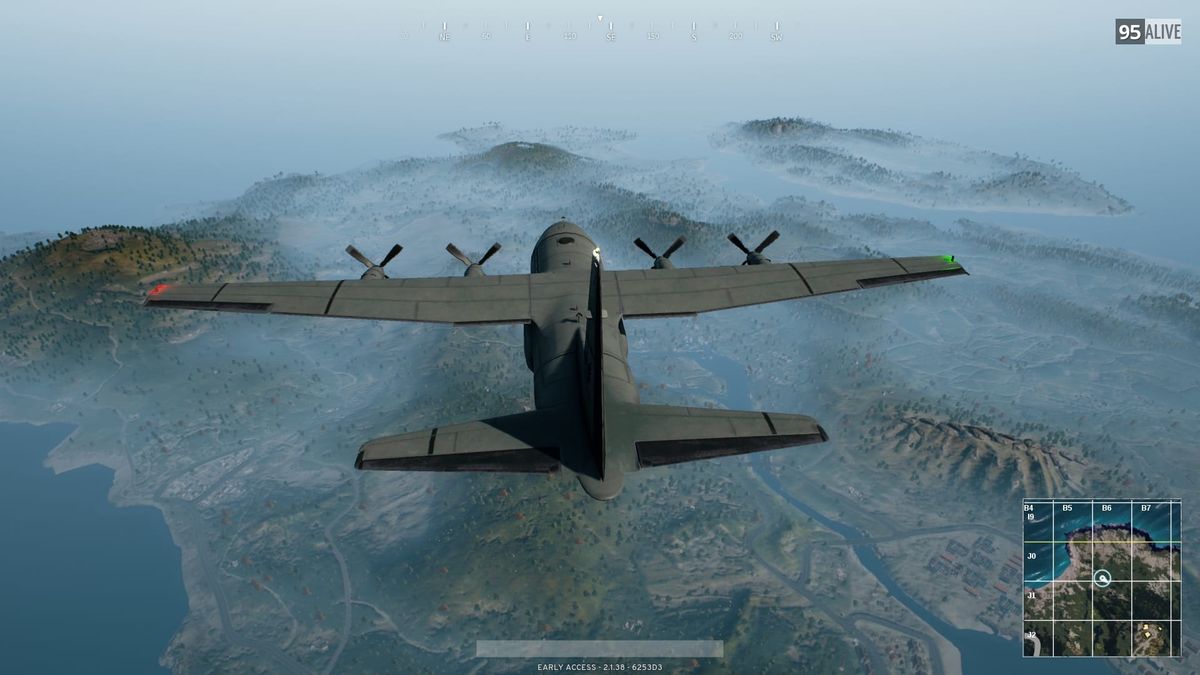
The Existential Terror of Battle Royale
It’s been a while since I wrote a blog post, I guess in general, but also a blog post about video games. Video games are probably the single thing most attributable to my career as a programmer, and everything else I’ve done professionally after that. I still feel
The Legacy of No Man’s Sky in Game Design
Two years ago, No Man’s Sky, a sci-fi space exploration game boasting powerful procedural generation, released to a flurry of negative…

There’s not enough videogames; everyone should be encouraged to make them (or, videogames are just art)
Indiepocalypse discourse is back in vogue again. Polygon published this article about how there’s too many videogames; Games Industry published this editorial about how we need to stop encour…

» A Looking Glass Half Empty, Part 2: A Series of Unfortunate Events The Digital Antiquarian
Coming out of 1998, the folks at Looking Glass Studios believed they had pretty good reason to feel optimistic about their future. With Thief, they had delivered not just their first profitable original game since 1995’s Flight Unlimited but their biggest single commercial success ever. They had no fewer than four more games slated for release within the next fifteen months, a positively blistering pace for them. Yes, all of said games were sequels and iterations on existing brands, but that was just the nature of the industry by now, wasn’t it? As long-running franchises like Ultima had first begun to demonstrate fifteen years ago, there was no reason you couldn’t continue to innovate under a well-known and -loved banner headline. Looking Glass closed their Austin office that had done so much to pay the bills in the past by taking on porting contracts. In the wake of Thief, they felt ready to concentrate entirely on their own games.
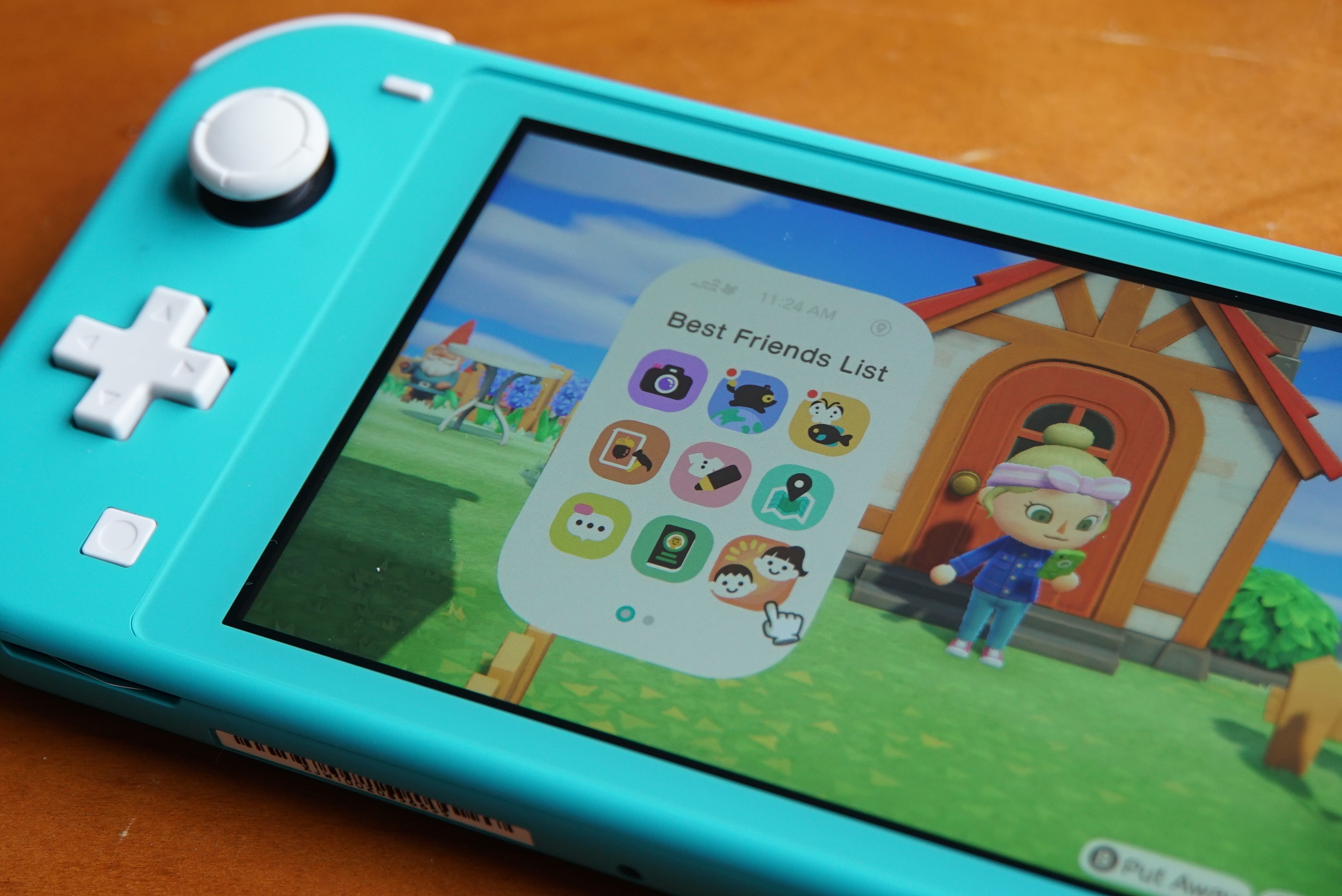
We need more video games that are social platforms first, games second | TechCrunch
During these long, mundane physically-distant days, stretching on into an uncertain future like an ever-lengthening beigeish corridor, it's impossible not
» The CRPG Renaissance, Part 2: Might and Magic VI The Digital Antiquarian
From the 1980s until well into the 1990s, the CRPG genre was typically dumped into the same broad bucket as the adventure game by the gaming press. Indeed, as late as the turn of the millennium, Computer Gaming World magazine had an “Adventure/RPG” department, complete with regular columnists whose beat encompassed both genres. Looking back, this lack of distinction might strike us as odd: CRPGs, which are to a greater or lesser extent simulations of an imaginary world with a considerable degree of emergent behavior, are far more procedurally intensive than traditional adventure games and provide a very different experience.
» Half-Life The Digital Antiquarian
Around twenty years ago, people would have laughed if you told them that videogames would end up at the Smithsonian, but the Half-Life team really did want to make games that were more than just throwaway toys. The rule against cinematics — which made our jobs much harder and also ended up leaving a lot of my favorite work out of the game — was a kind of ideological stake in the ground: we really did want the game and the story to be the same thing. It was far from flawless, but it was really trying to push the boundaries of a young medium.
Elite: "The game that couldn't be written"
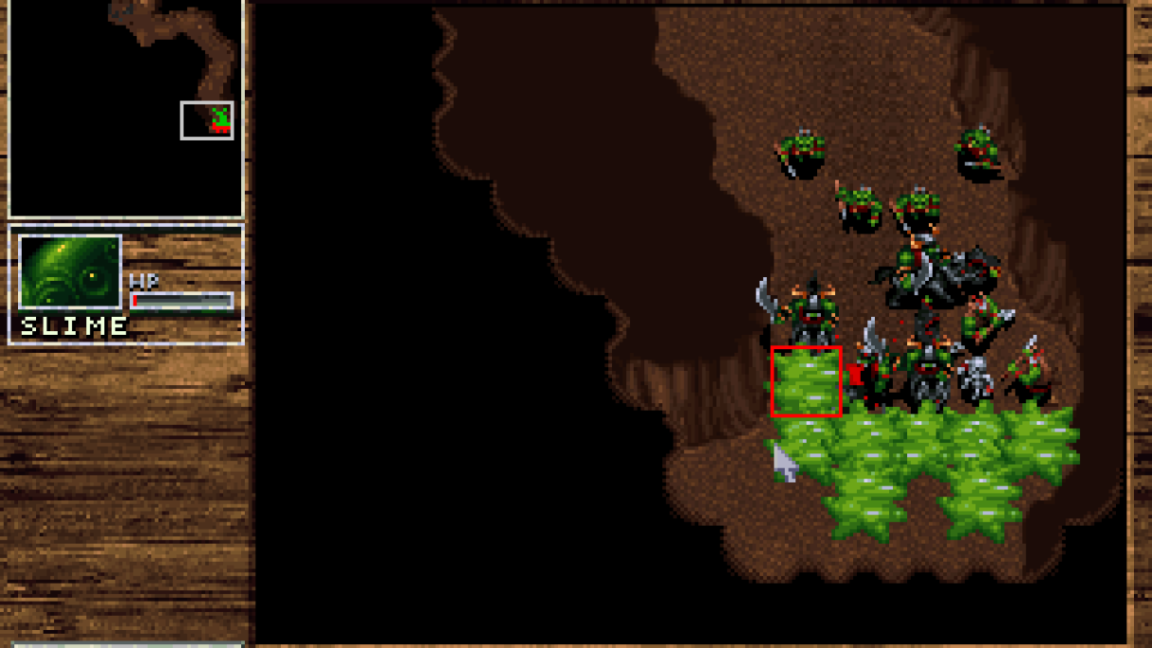
Build, gather, brawl, repeat: The history of real-time strategy games
As we wait on a new Age of Empires this fall, let's revisit the RTS genre's highs and lows.
» How Jordan Mechner Made a Different Sort of Interactive Movie (or, The Virtues of Restraint) The Digital Antiquarian
One can learn much about the state of computer gaming in any given period by looking to the metaphors its practitioners are embracing. In the early 1980s, when interfaces were entirely textual and graphics crude or nonexistent, text adventures like those of Infocom were heralded as the vanguard of a new interactive literature destined to augment or entirely supersede non-interactive books. That idea peaked with the mid-decade bookware boom, when just about every entertainment-software publisher (and a few traditional book publishers) were rushing to sign established authors and books to interactive projects. It then proceeded to collapse just as quickly under the weight of its own self-importance when the games proved less compelling and the public less interested than anticipated.