

Although I’ve played way too many games for way too many hours over the way too many years I’ve been writing these histories, it’s safe to say that I haven’t spent more time with any one game than Heroes of Might and Magic II. Partly this was down to circumstance. Heroes II showed up on the syllabus just as I was embarking on one of my periodic digressions, a long series about international communications networks and how they culminated in the World Wide Web. Without the need to write in detail about a new game every fortnight, I was freer than I usually am just to play whatever I felt like playing. And what I felt like playing at that time was Heroes II. I beat every single Heroes II scenario in my Heroes of Might and Magic Millennium Edition set, some alone, some in multiplayer mode with my wife Dorte, who became almost as obsessed as I was. I must confess that my usual rule of no more than two hours of gaming per day was strained at times, shattered completely at others. But we were still in the midst of the pandemic then and there wasn’t much else for me to do with my free time, so I figured it was okay to set self-discipline aside for a while. Maybe it was even good experiential research, in that it re-familiarized me with that strange hungover feeling you get when you’ve spent hours and hours peering into an imaginary world behind your monitor screen — like butter that’s been scraped over too much bread, to steal a phrase from Tolkien. (For what it’s worth, I’ve found that the best cure for this condition is the same as that for a conventional hangover: a long walk in nature.)
Why League of Legends Is The World’s Greatest Game
In 2003, I was a very serious WarCraft III player. If I recall correctly, I have over 5,000 one-on-one ladder matches logged on my Battle.net account. I watched replays every day and even did some …
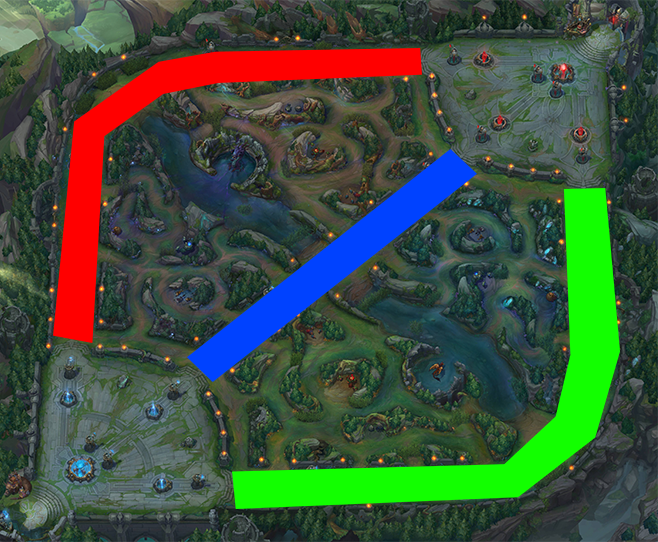
We need more video games that are social platforms first, games second | TechCrunch
During these long, mundane physically-distant days, stretching on into an uncertain future like an ever-lengthening beigeish corridor, it's impossible not
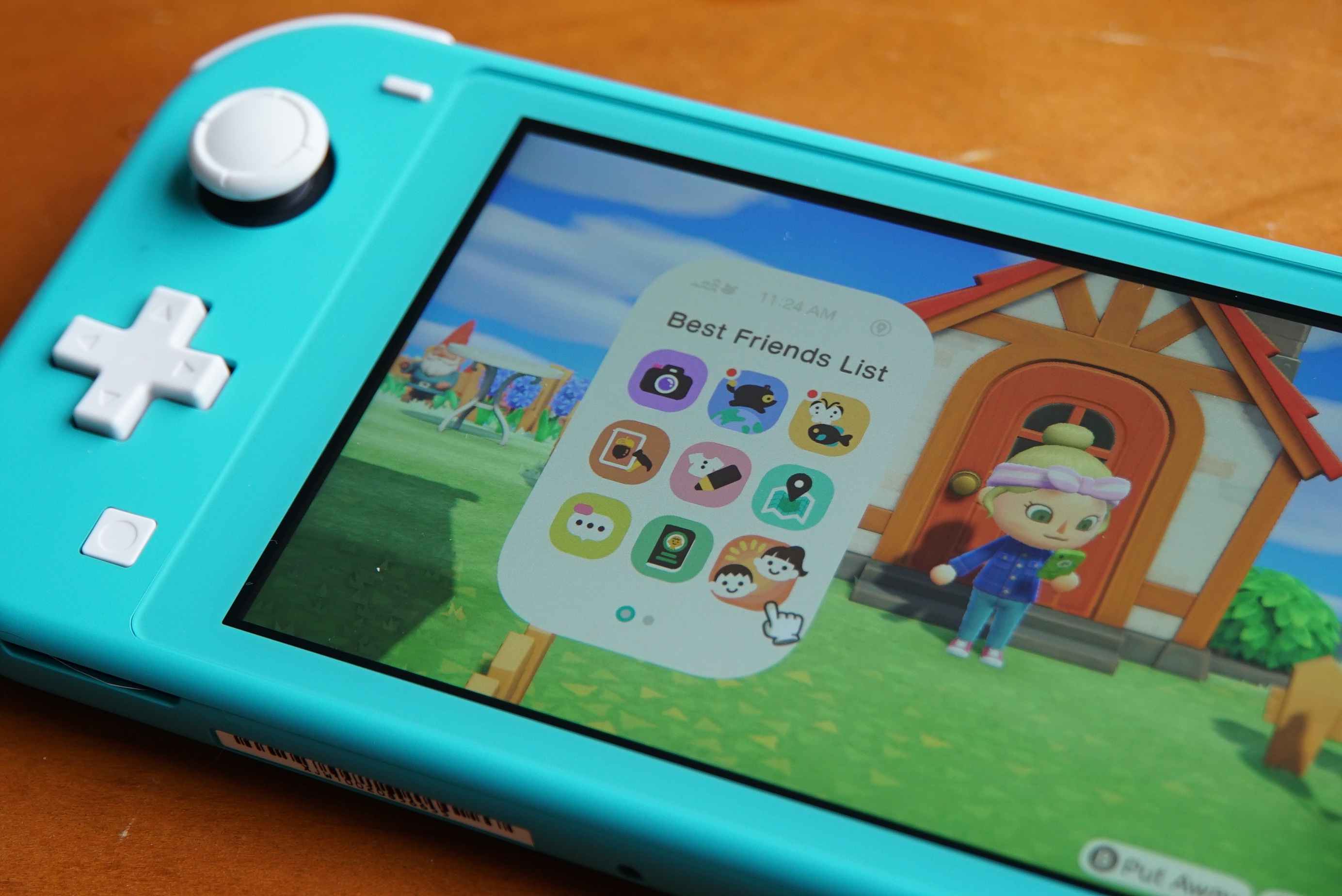
Moving Forward from Hot Fable Summer
Suggestions on how to move forward on the craziest 90 days in cyber and AI history.

The Search For The Apolitical Video Game
The Existential Terror of Battle Royale
It’s been a while since I wrote a blog post, I guess in general, but also a blog post about video games. Video games are probably the single thing most attributable to my career as a programmer, and everything else I’ve done professionally after that. I still feel
Temporarily Offline
A slightly unerving game on technological violence induced by pseudosimplicity and increasingly awful UI.
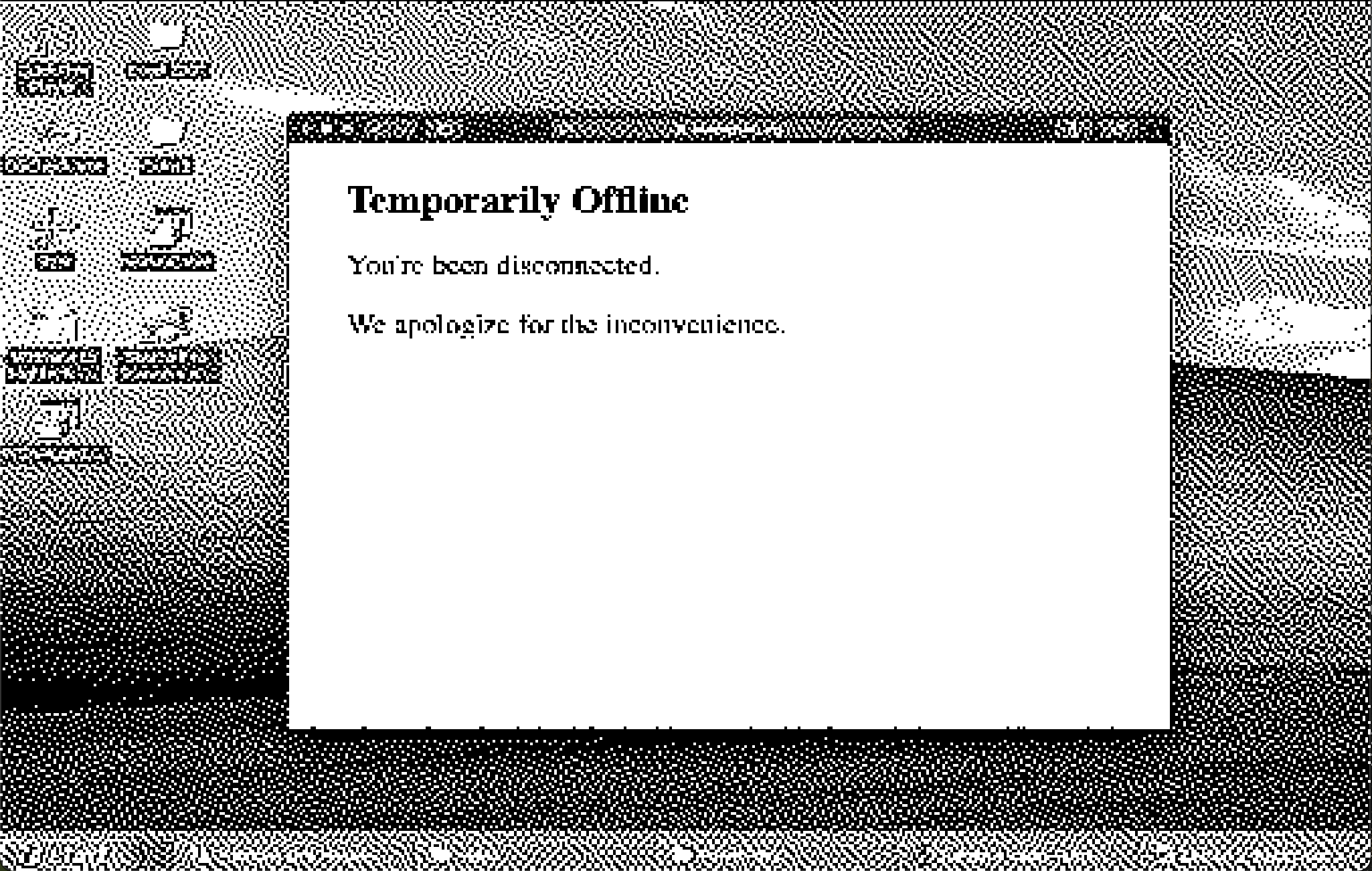
League of Legends vs. Heroes of the Storm
I’ve got a new video out discussing why I think League of Legends is not only better than Heroes, it’s not even in the same, well, league. For more, check out my article on why I consid…

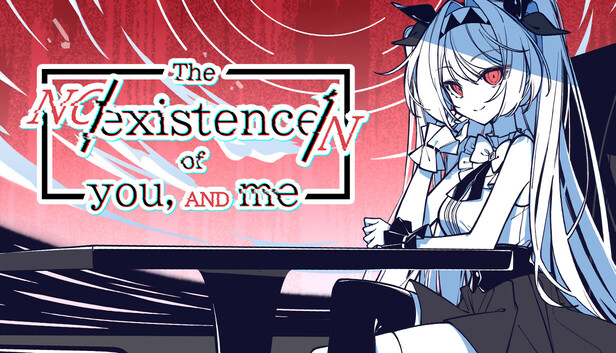
The NOexistenceN of you AND me
Use "game" as a medium to showcase the world of "you/girl". Explore the truth of "you/girl/world" through the form of a "visual novel".

Increlution
Survive the ever increasing pressure of time for as long as you can! A minimalistic incremental game about time management that takes inspiration from roguelite games, with a focus on meta-progression. Every generation has a better chance at survival, because previous lives influence its instincts

» The Life and Times of Maxis, Part 3: The Sims The Digital Antiquarian
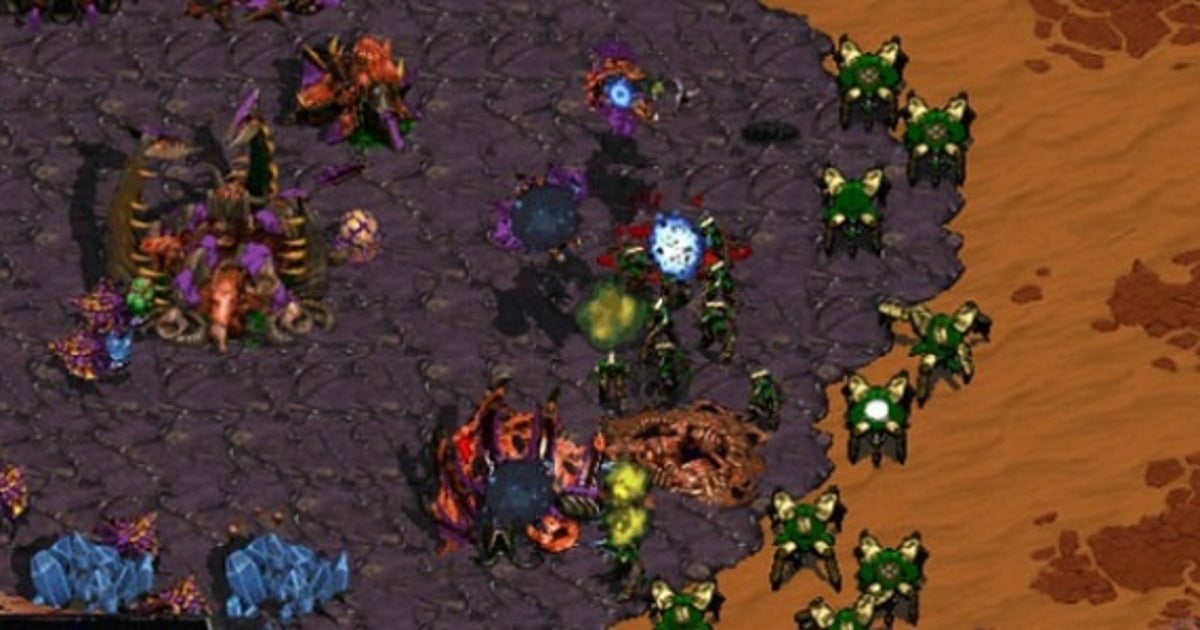
I don’t think people realize how much tactical and strategic forethought goes into their daily lives. There’s a whole subconscious time-efficiency layer in our lives. In essence, real-time strategy is our lives.
How League of Legends could make the internet a better place
An online game could just be the start of a happier, healthier online community

5 top gaming investors explain how the pandemic is reshaping MMOs and social games | TechCrunch
Now that the COVID-19 pandemic has forced millions into isolation, video games are seeing a surge in usage as people seek entertainment and social

A Lament For The LAN Party
Before broadband and the connected world of information, we found different ways to mix our social life and our games. …
Resonite
A novel digital universe with infinite possibilities. Whether you resonate with people around the world in a casual conversation, playing games and socializing. Or you riff off each other when creating anything from art to programming complex games, you'll find your place here.